










Unlocking Same-Appointment Restorations with PrintPods

By Dr. Andrew Ip
Introduction
The adoption of 3D printing in dentistry is growing due to its relatively low entry cost and great versatility. One of the more controversial applications of dental 3D printing is the manufacturing of indirect restorations. Previously 3D printing of composite materials was a lengthy process, with same-appointment workflows not achievable. However with improved resin development and the introduction of application-specific accessories, 3D printing of indirect restorations in one sitting with the patient chairside is now a distinct possibility and reality.
While 3D printing of full-coverage restorations remains controversial, there is still merit in the additive manufacturing of partial coverage, lower-load bearing restorations1. 3D printing certainly shines when there is a need to produce multiple items simultaneously. This allows for efficient restoration of multiple teeth in a quadrant, which improves the patient experience (as there is no need for additional appointments) but also improves the operator experience as he or she no longer needs to handle direct restorative matrices in vivo. The anatomy, morphology and interproximal contacts of each restoration can be designed precisely with CAD software and manufactured accurately using a 3d printer.
In this case report, we will examine how CAD software and 3D printing can help restore several teeth in the one appointment in a predictable manner.
Pre-Op
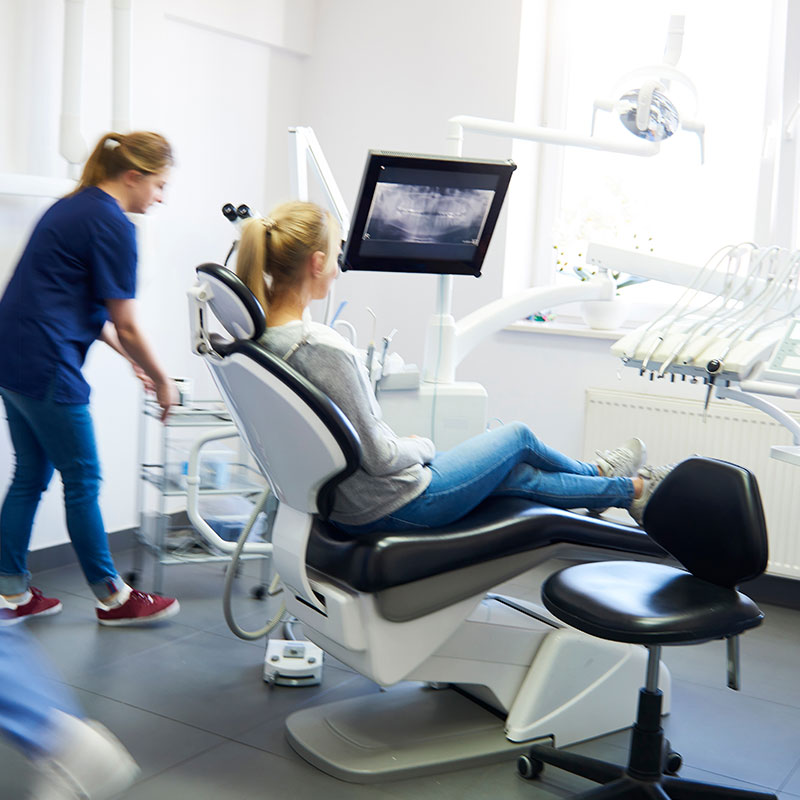
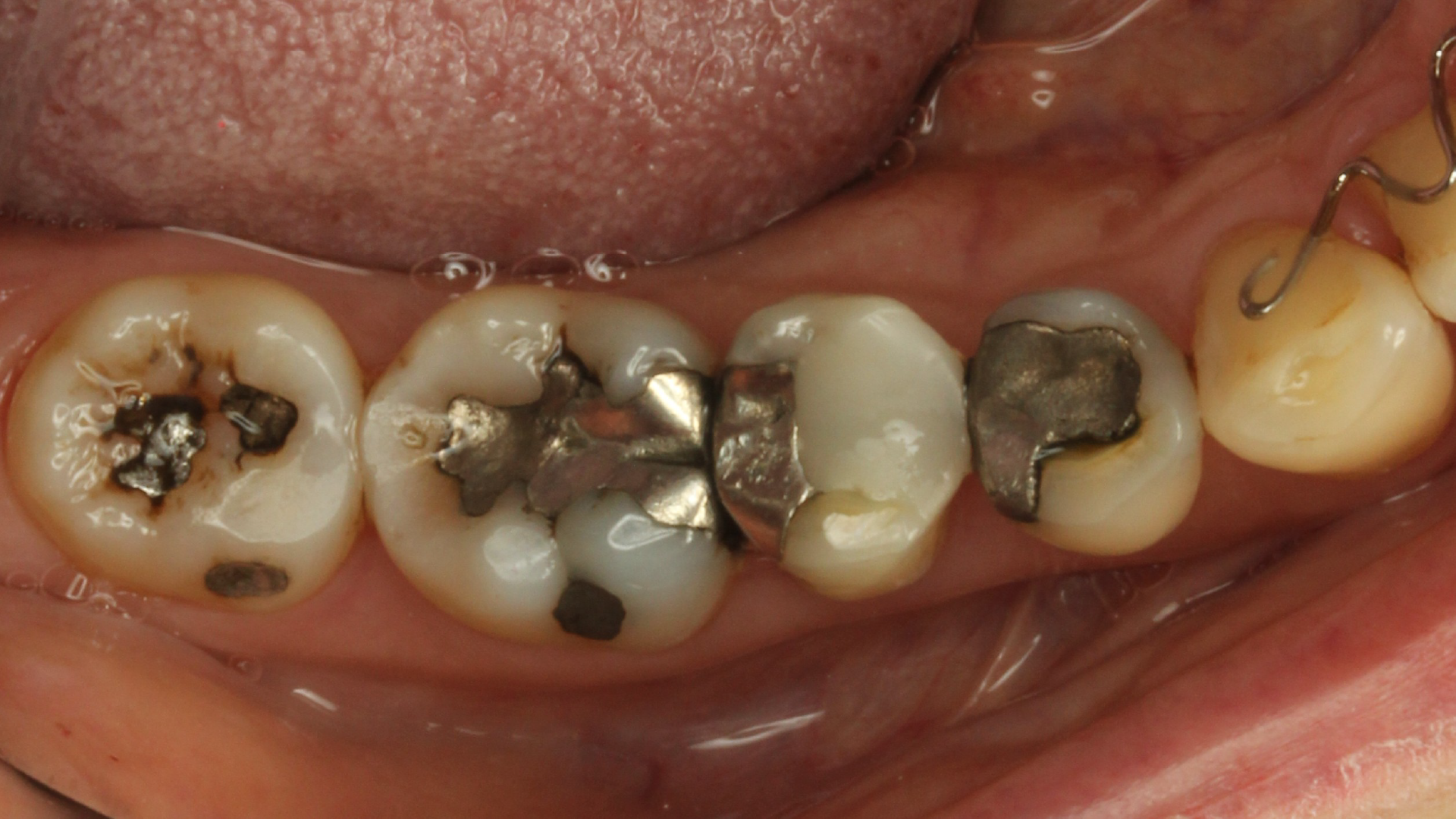
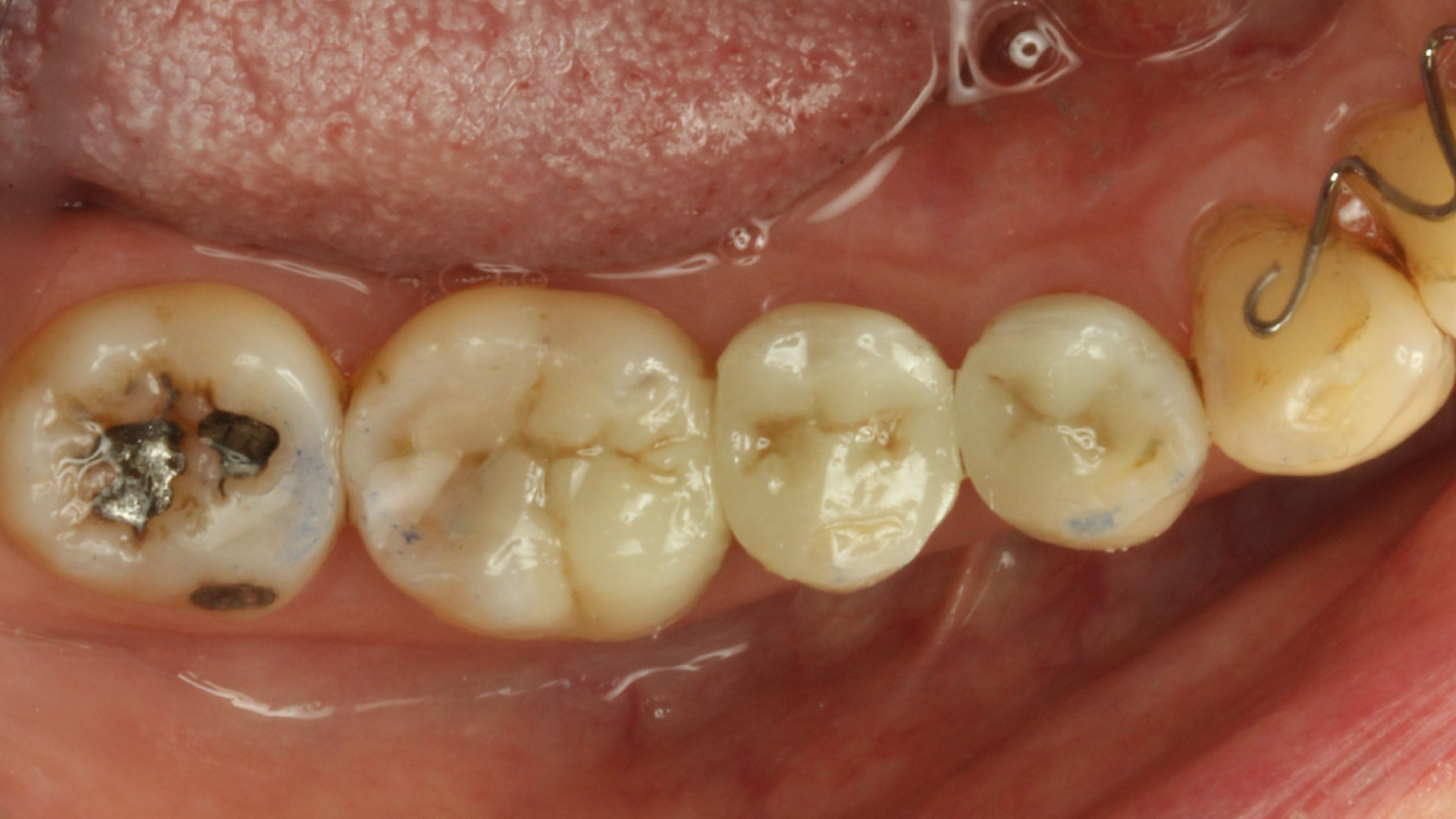
A XX-year old female attended our practice for routine check-up, having not seen a dentist for a number of years. Her medical history was unremarkable. She reported short-lasting cold sensitivity and a bad taste around her lower right side. Upon clinical examination, several aging and now defective restorations were located on her lower right first and second premolars (#44, #45) and first molar (#46). Radiography confirmed secondary caries under these restorations but no caries under the existing amalgam restoration on the lower right second molar so a decision was made not to treat that particular tooth.
As the patient was moving interstate, she expressed a desire to have the proposed restoration of #44, #45 and #46 performed in the one appointment. The patient was reappointed to have the failing restorations replaced with indirect 3D printed restorations in the one appointment.
Day of procedure:
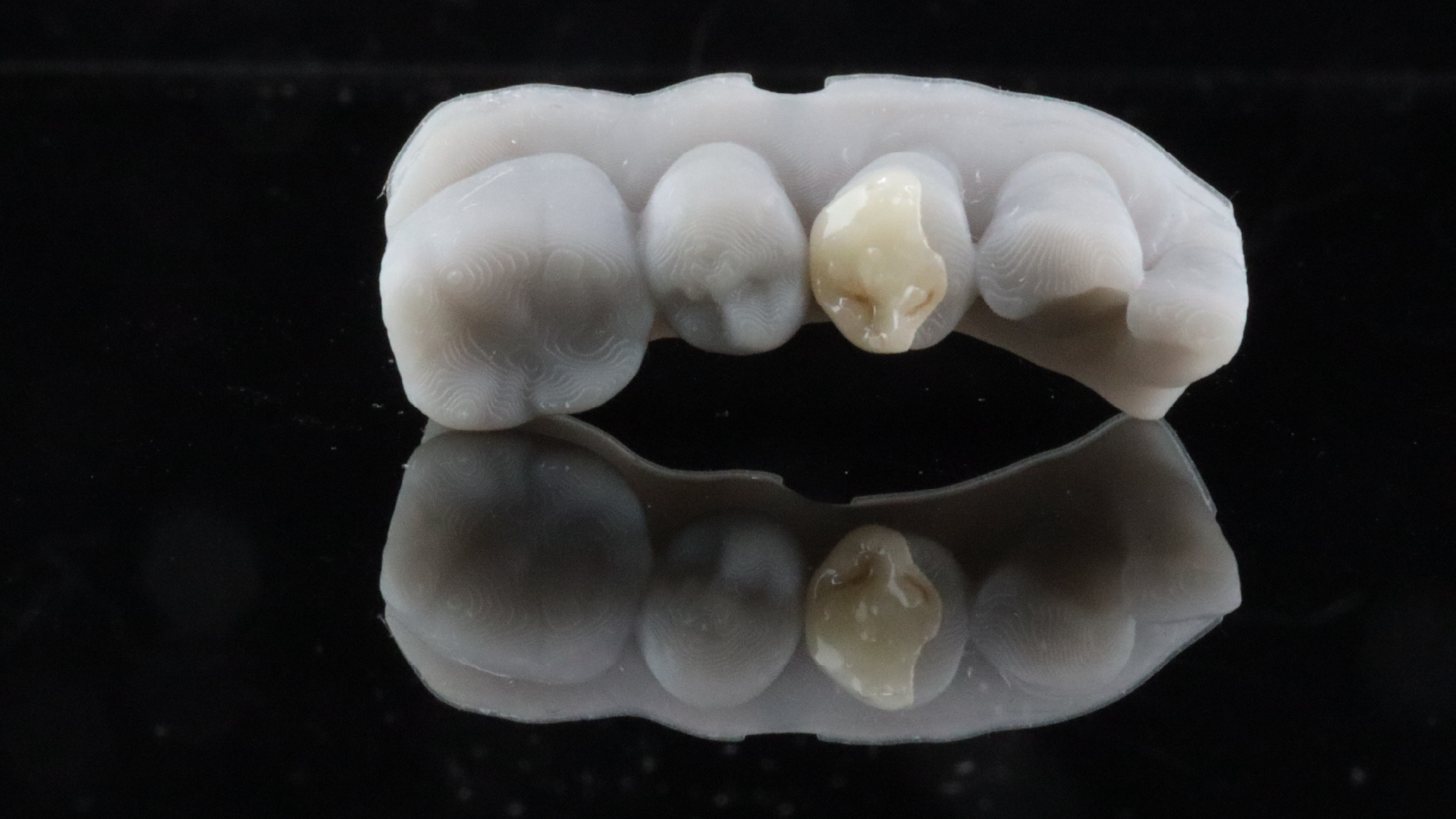
The patient was sufficiently anaesthetised and the present restorative work on #44-#46 were removed uneventfully. The cavities were prepared to reduce presence of undercuts and the area was scanned with a Medit i700 wireless intraoral scanner. PLY files of the scans were imported into Exocad for proper CAD design. Digital sculpting tools were used to exaggerate the occlusal anatomy of each restoration. This allows for easier characterisation of each restoration with stains.
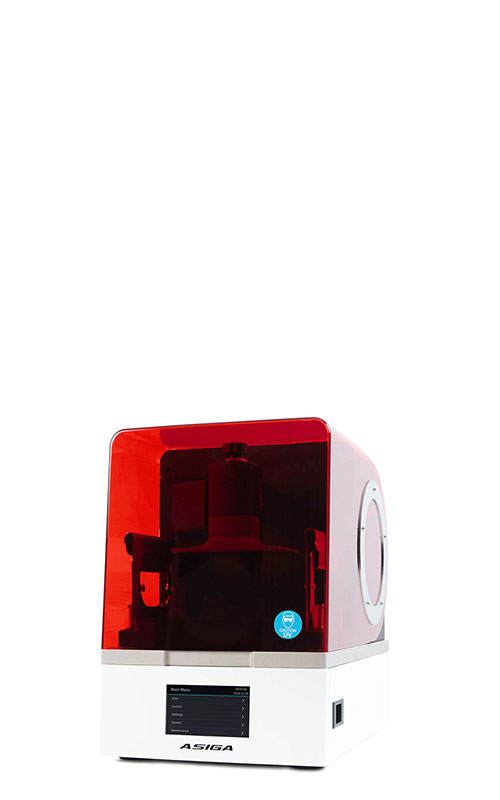
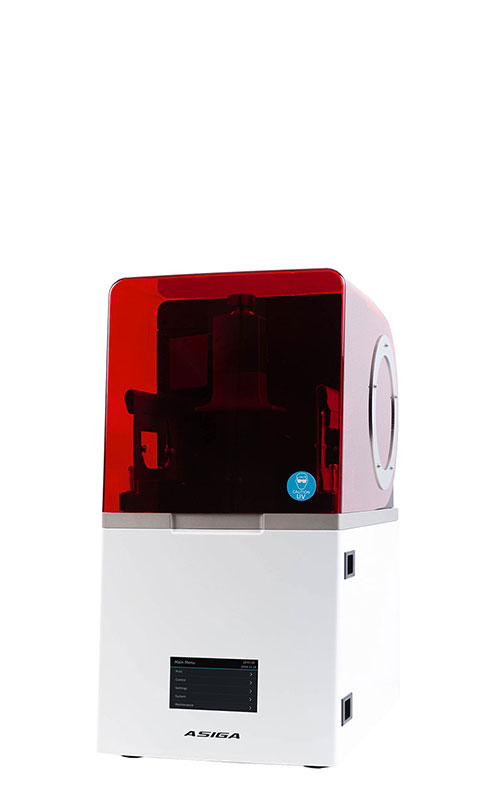
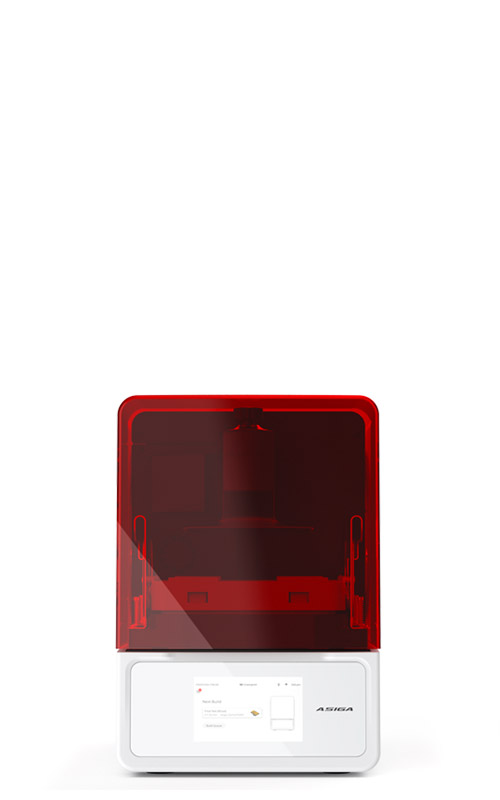
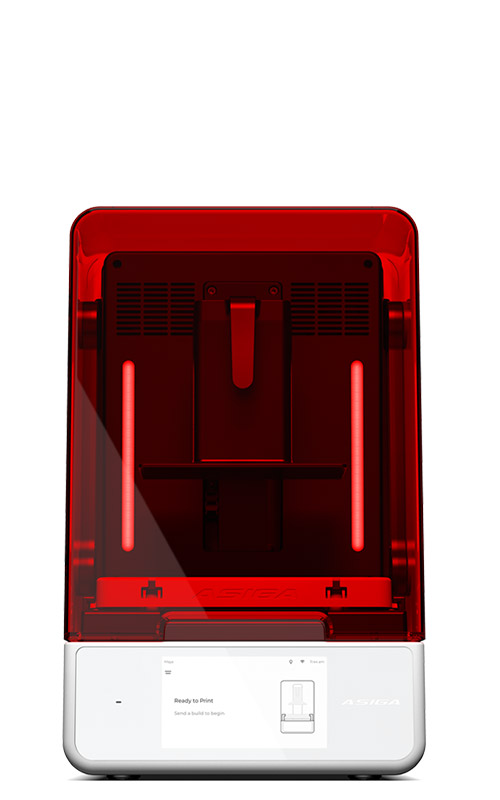
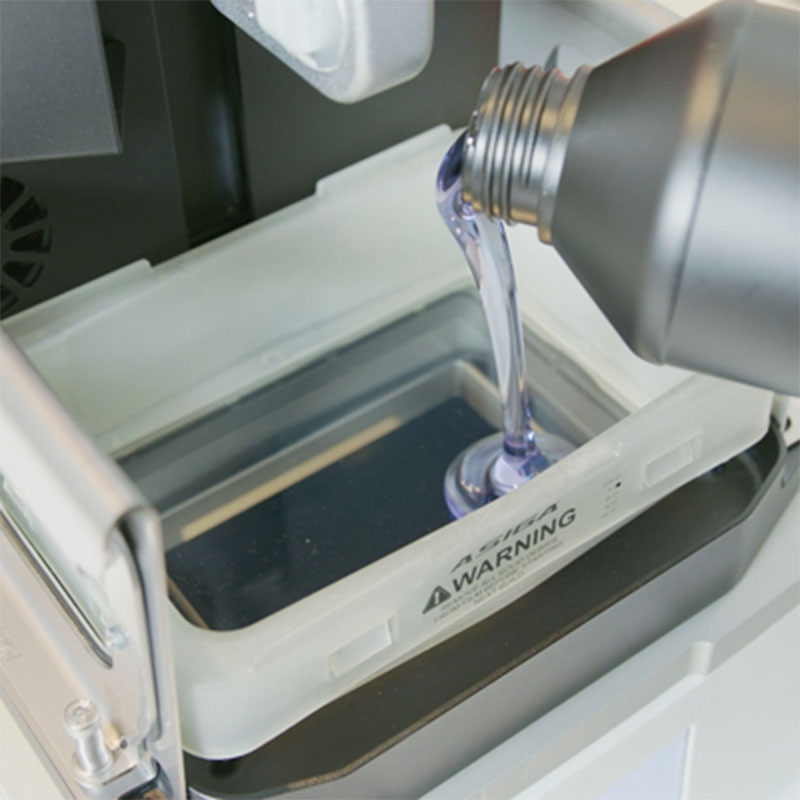
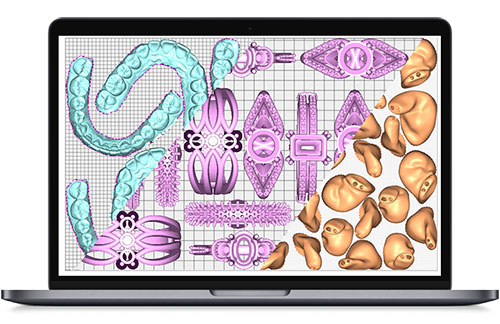
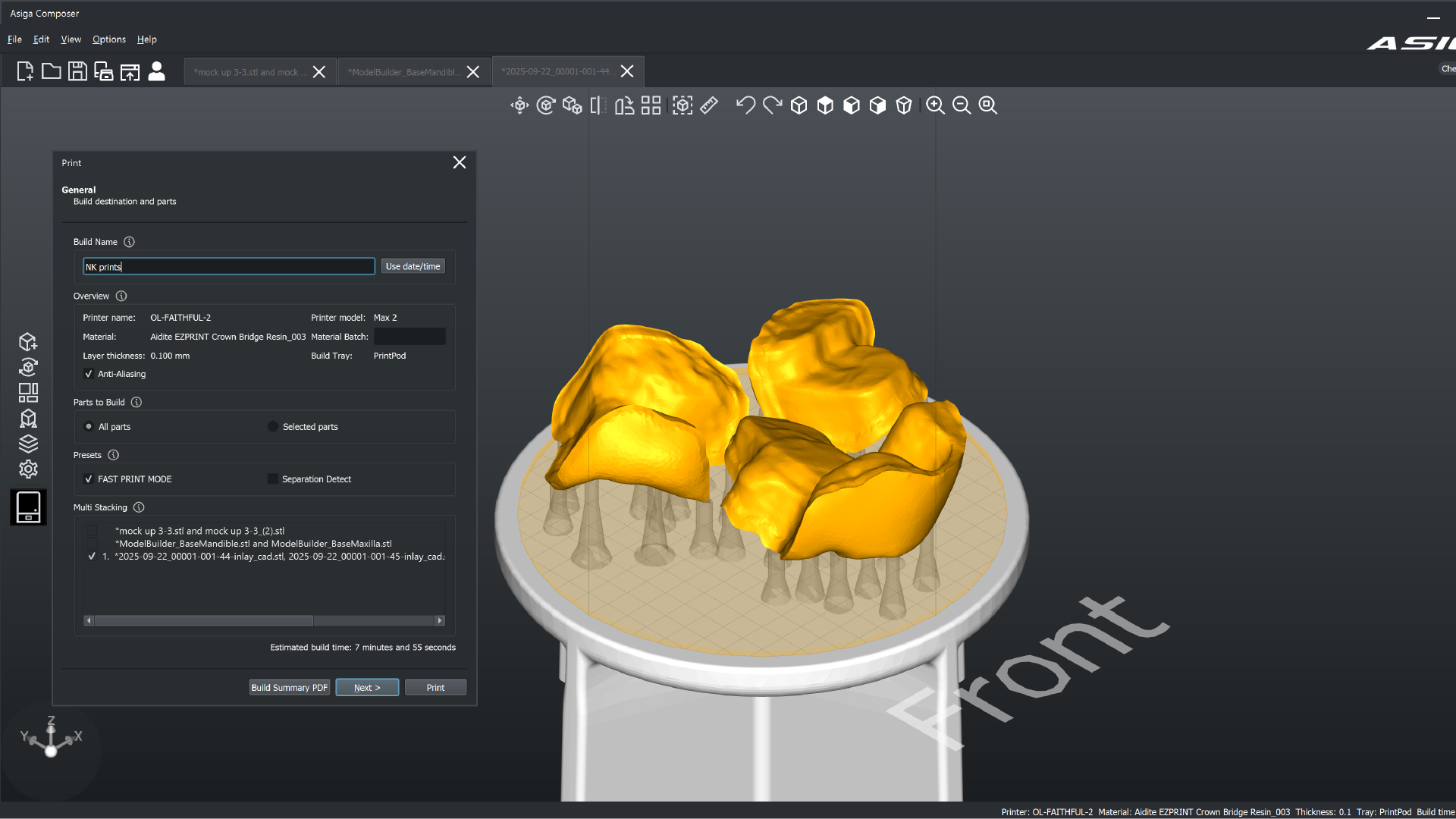
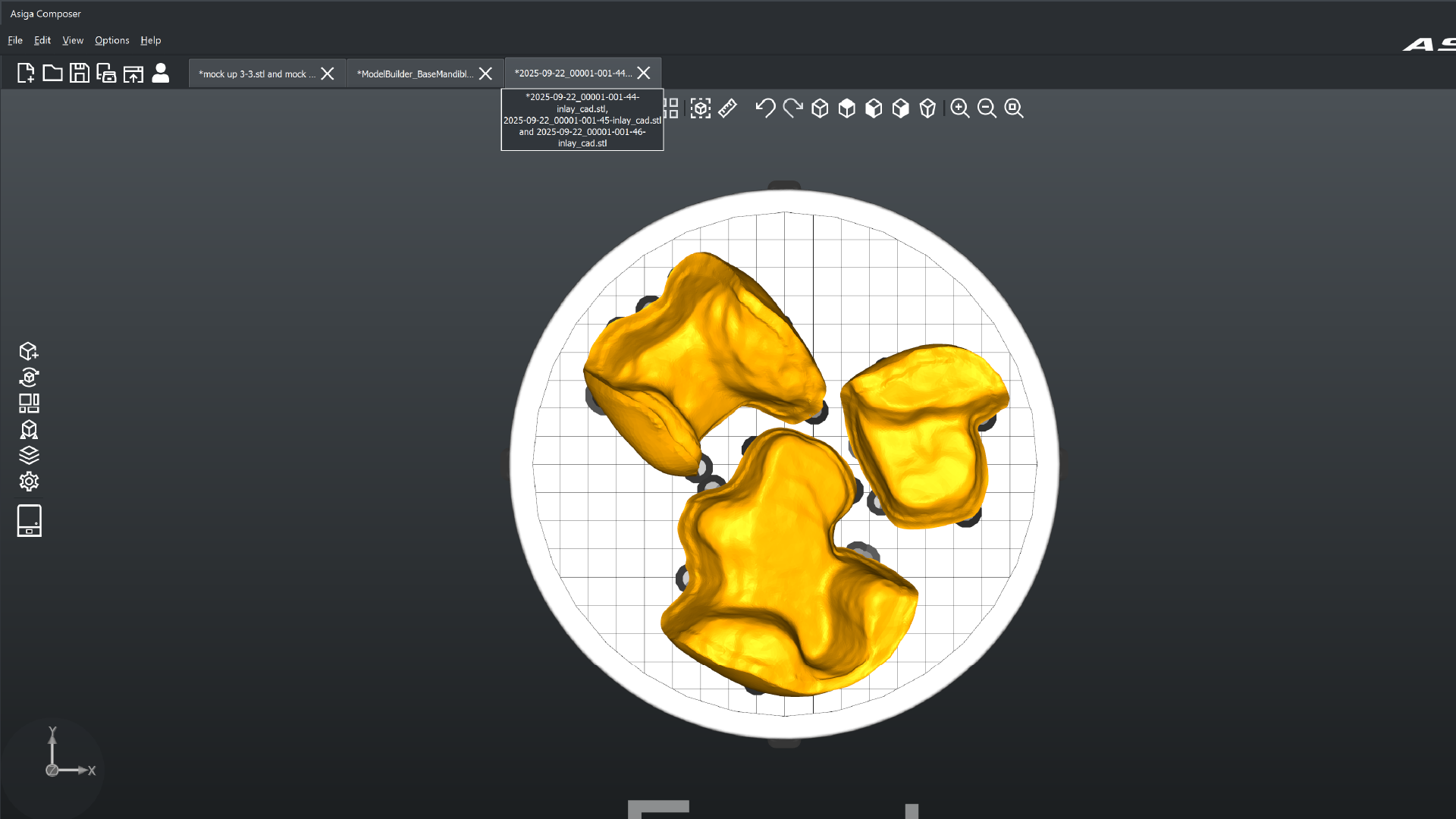
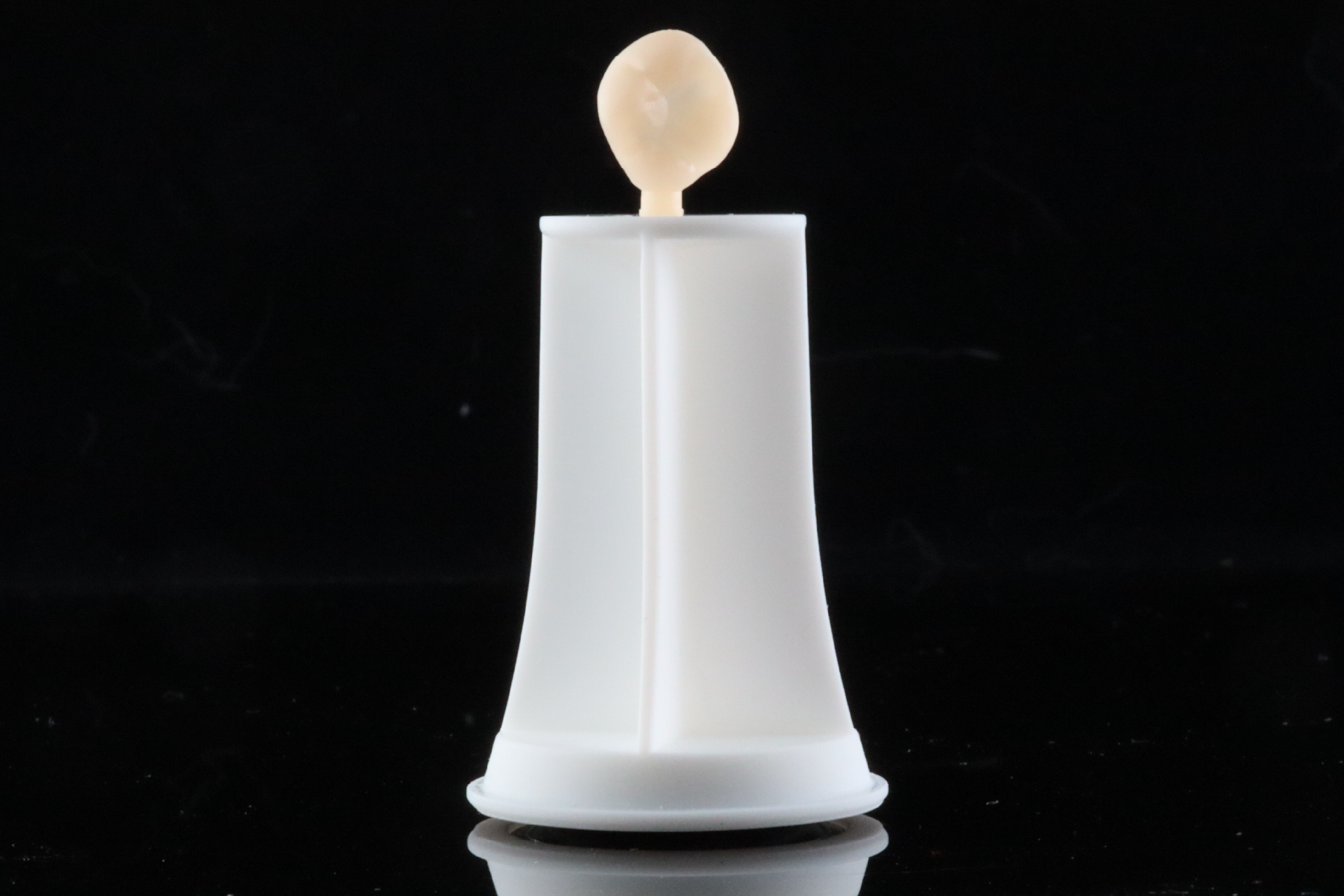
The restorations were printed on the Asiga Max 2 using their new PrintPods system using Aidite EZPrint Crown Bridge 2.0 (shade A3) at 100 µm layers as this material is indicated and approved for the manufacturing of definitive single-unit restorations. The printing process took around 8 minutes, with the restorations orientated with the occlusal surface facing towards the build platform as this has shown to produce the most accurate prints2.
Characterisation of the restorations was performed using Rodin Palette 2.0 and Glaze N2-Free prior to final cure to achieve optimum bond strength between the characterisation materials and printed resin. The printed restorations were cured using a curing unit validated by the resin manufacturer.
The fitting surfaces of the restorations were sandblasted increase surface area for bonding and each restoration was cemented using G-Cem One resin cement and its corresponding tooth primer. It has been shown that bonding these restorations with a resin bonding agent can increase the shear bond strength of the printed material to the underlying substrate4. Occlusion was checked and adjusted accordingly following cementation.
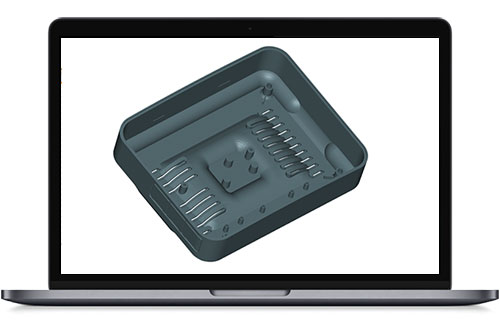
The printed restorations were manually cleaned in a 2-step process. The bulk of the excess resin was washed away by agitating the print in an Asiga WashPod partially filled with isopropyl alcohol (99%) in half a minute. Following that the printed restorations were removed and wiped manually with pre-soaked IPA (70%) wipes. The restorations were never immersed in alcohol as the properties of printed hybrid-ceramic materials are affected negatively when exposed to alcohol for longer than 10 minutes3.
About the Author
Handy Andy is a Sydney-based private general dentist who presents regularly on dental 3D printing. What started off as a hobby several years ago has now become a full-time passion for Dr Andrew Ip, a Sydney-based general dentist with a special interest in digital dentistry.
His passion has taken him all around the world from the US, Europe, Asia and of course across Australia. He also runs an increasingly popular Youtube channel that showcases easy-to-follow dental design tutorials.
From simple models to printing zirconia, Dr Ip has printed almost all printable dental applications available in the global market and is proud to have operated close to 30 different 3D printers in his career, a number that will inevitably increase.
Dr Ip has been teaching dentists, technicians and their support staff how to integrate additive technologies to their workplaces for several years and is a speaker for several digital dentistry-related companies. His knowledge is based on true hands-on experience. When he’s not designing a surgical guide, printing a splint or polishing a printed crown, you can find him glued to a screen designing printable table organisers or nesting a helmet for his cats in a slicer.”
References:
- Duarte S Jr, Phark JH. Advances in Dental Restorations: A Comprehensive Review of Machinable and 3D-Printed Ceramic-Reinforced Composites. J Esthet Restor Dent. 2025 Jan;37(1):257-276
- Metin DS, Schmidt F, Beuer F, Prause E, Ashurko I, Sarmadi BS, Unkovskiy A. Accuracy of the intaglio surface of 3D-printed hybrid resin-ceramic crowns, veneers and table-tops: An in vitro study. J Dent. 2024 May;144:104960
- Kagaoan Z, Liu X, Cameron A, Aarts J, Choi JJE. Prolonged post-washing in ethanol decreases bond strength of additively manufactured crown materials. J Dent. 2024 May;144:104873
- Kim M, Lee J, Park C, Jo D, Yu B, Khalifah SA, Hayashi M, Kim RH. Evaluation of Shear Bond Strengths of 3D Printed Materials for Permanent Restorations with Different Surface Treatments. Polymers (Basel). 2024 Jun 27;16(13):1838
- Cameron AB, Choi JJE, Ip A, Lyons N, Yaparathna N, Dehaghani AE, Feih S. Assessment of the trueness of additively manufactured mol3% zirconia crowns at different printing orientations with an industrial and desktop 3D printer compared to subtractive manufacturing. J Dent. 2024 May;144:104942
Share: