












High-Quality Additive Manufacturing Revolutionises Complicated Dental Treatments
By Dr. Thomas Fuschetto, DDS, FACP
Introduction
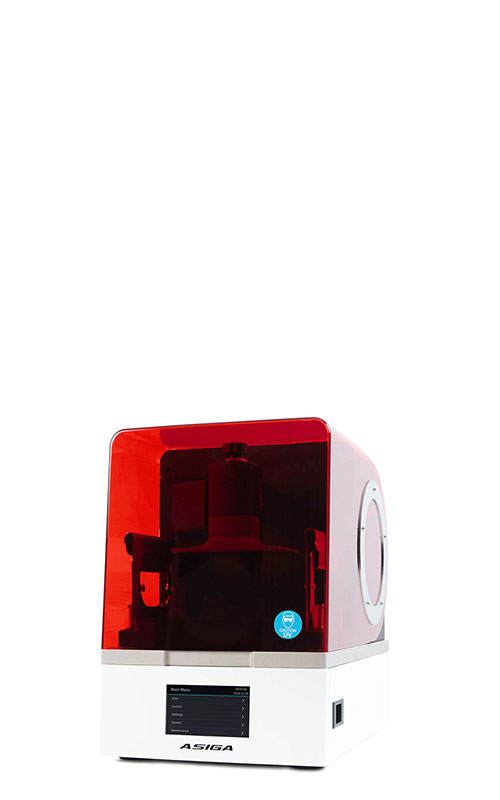
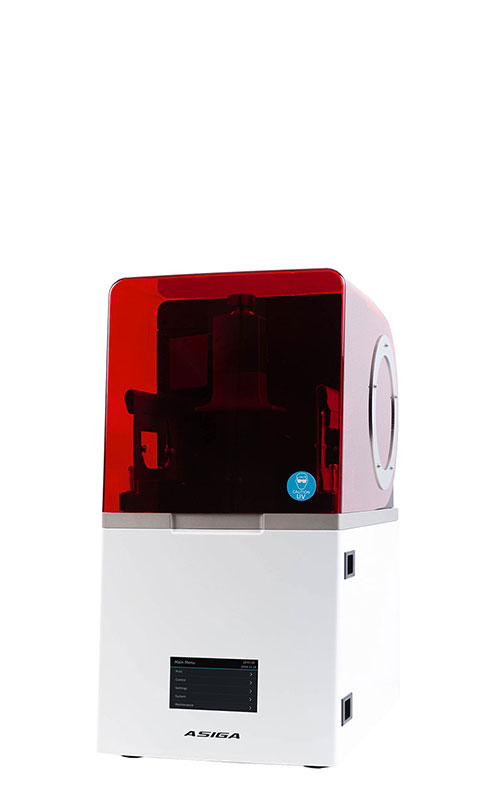
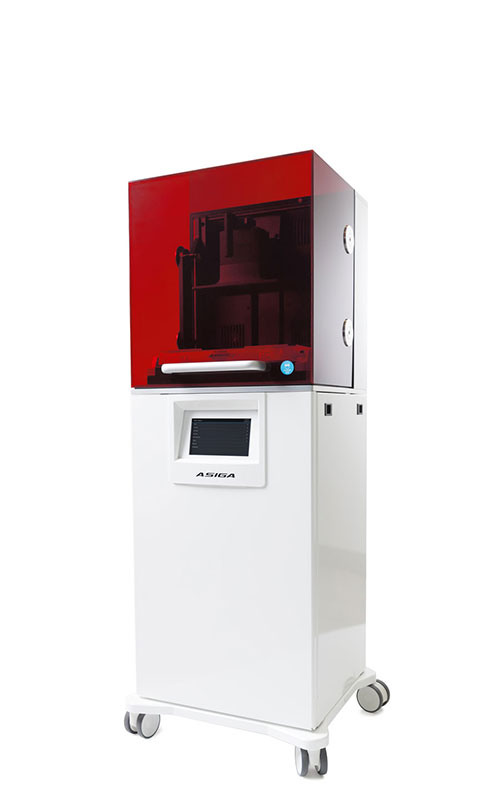
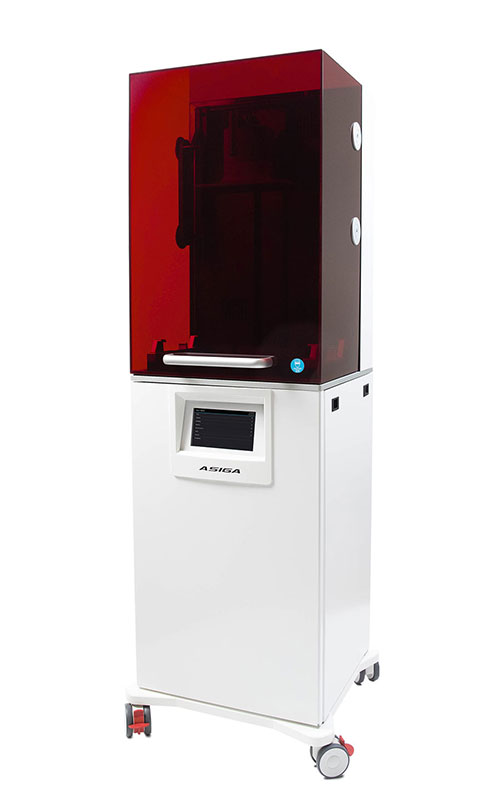
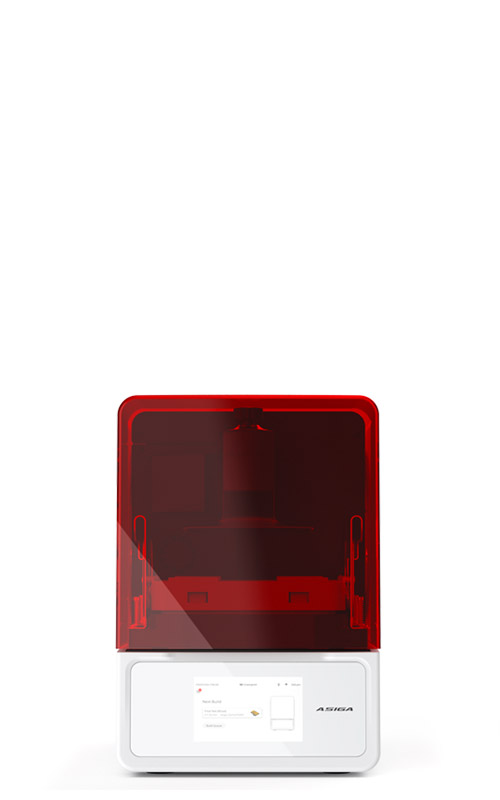
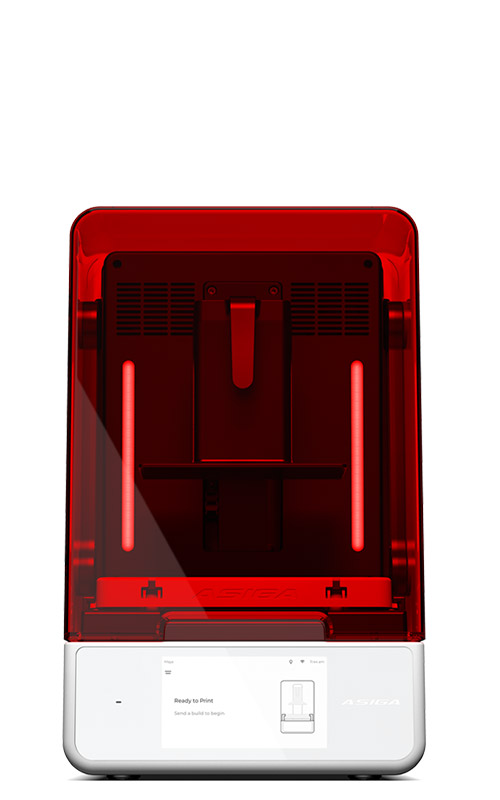
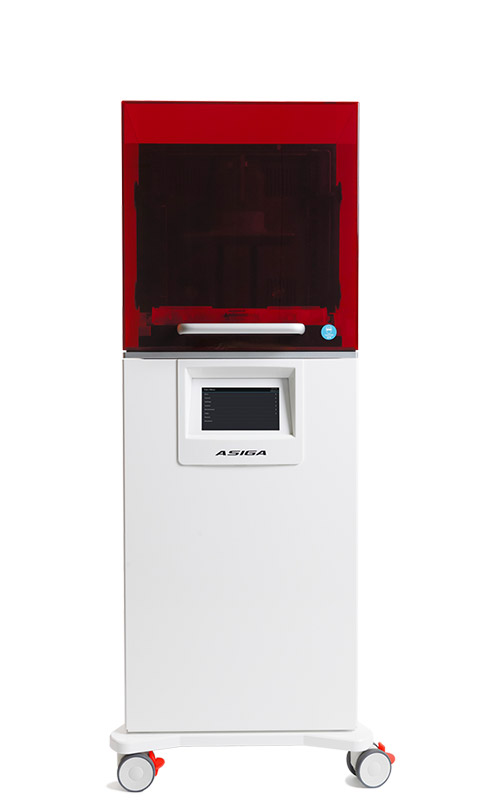
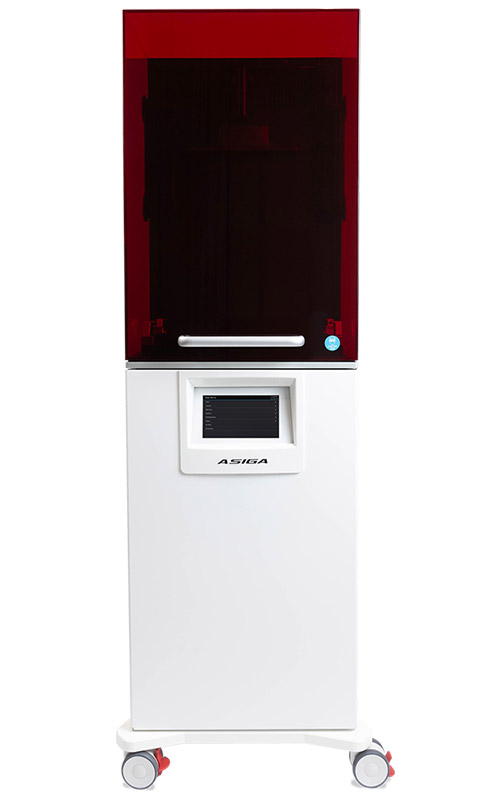
As a prosthodontist, modifying a patient’s vertical dimension of occlusion (VDO) is a daily occurrence in my practice. Most of the time, I have to increase a patient’s VDO. Historically, this was done either with full coverage crowns or traditional composite. When 3D printers became more accessible (around 2020), I started printing posterior onlays with early generation temporary dental resins as a means to modify a patient’s VDO. This allowed me to be more conservative in my treatment approach by not preparing a tooth for a crown and gave me the option to stage complex prosthodontic treatment in a way that is predictable and more comfortable for the patient. Currently in 2026, high-quality 3D printers are more accessible than ever to a dental office, and the accompanying resins have become exponentially better. When I chose my office 3D printing set up, I made my decision based on accuracy and the freedom to print any resin. The Asiga Max 2 and Cure were the 3D printing ecosystem I chose to help me achieve the required clinical results. Below is a situation where use of high-quality 3D printing and resin were the most efficient way to execute the treatment.
Patient Treatment
This 42 year old female presented with concerns regarding the significant mobility of #7-10 and was looking to replace these teeth with dental implants and fix her crowding. The patient displayed significant vertical overlap of her anterior teeth and a traumatic occlusion resulting in loss of facial bone. Dental implant placement was not possible without significant guided bone regeneration. To complicate the treatment plan further, the patient was about to start a high-risk fertility treatment and dental surgery was contraindicated. A treatment plan was discussed with the treating periodontist, orthodontist, and oral surgeon and we ultimately decided to put definitive treatment on hold while the patient was undergoing her fertility treatment.
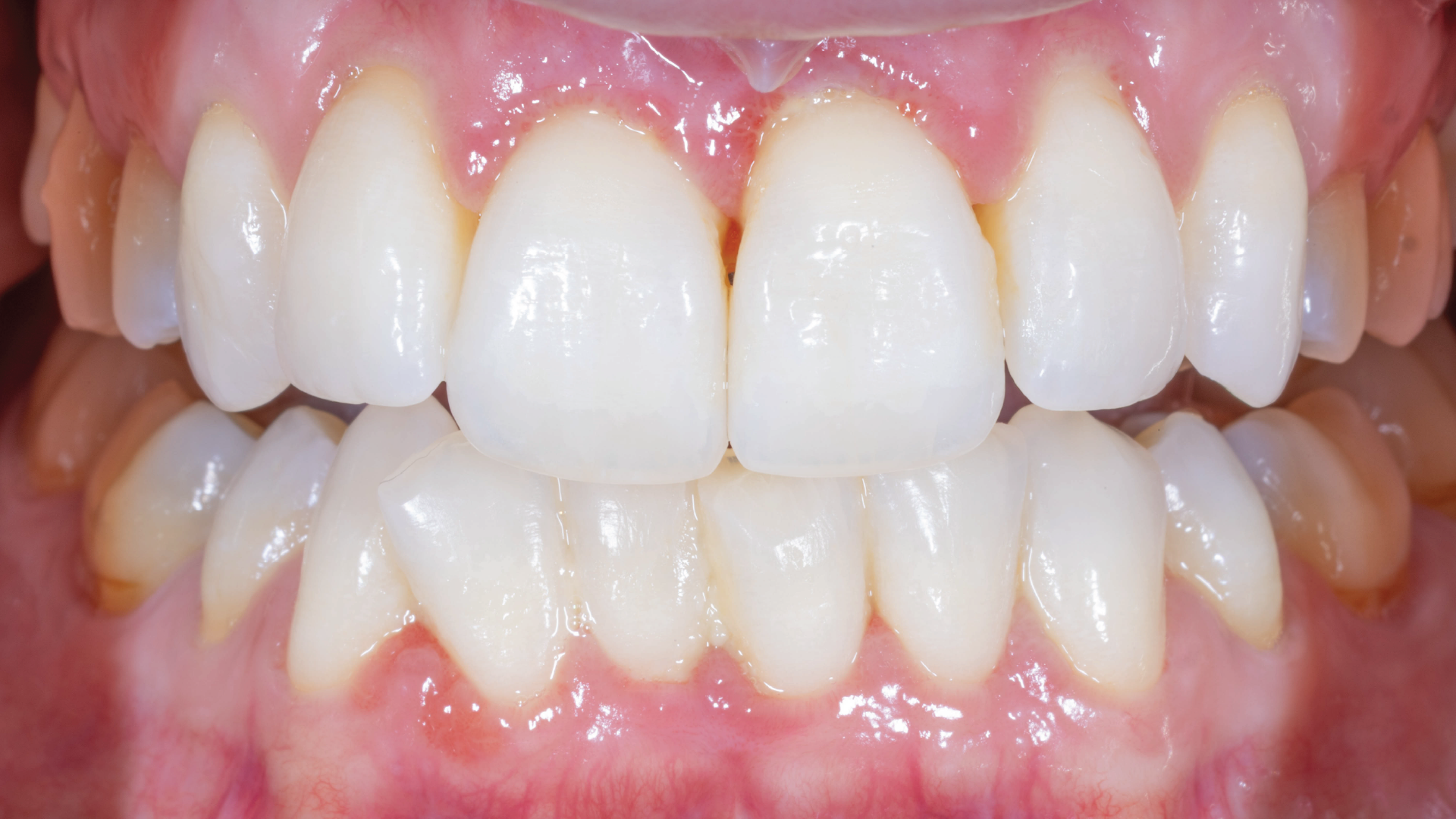
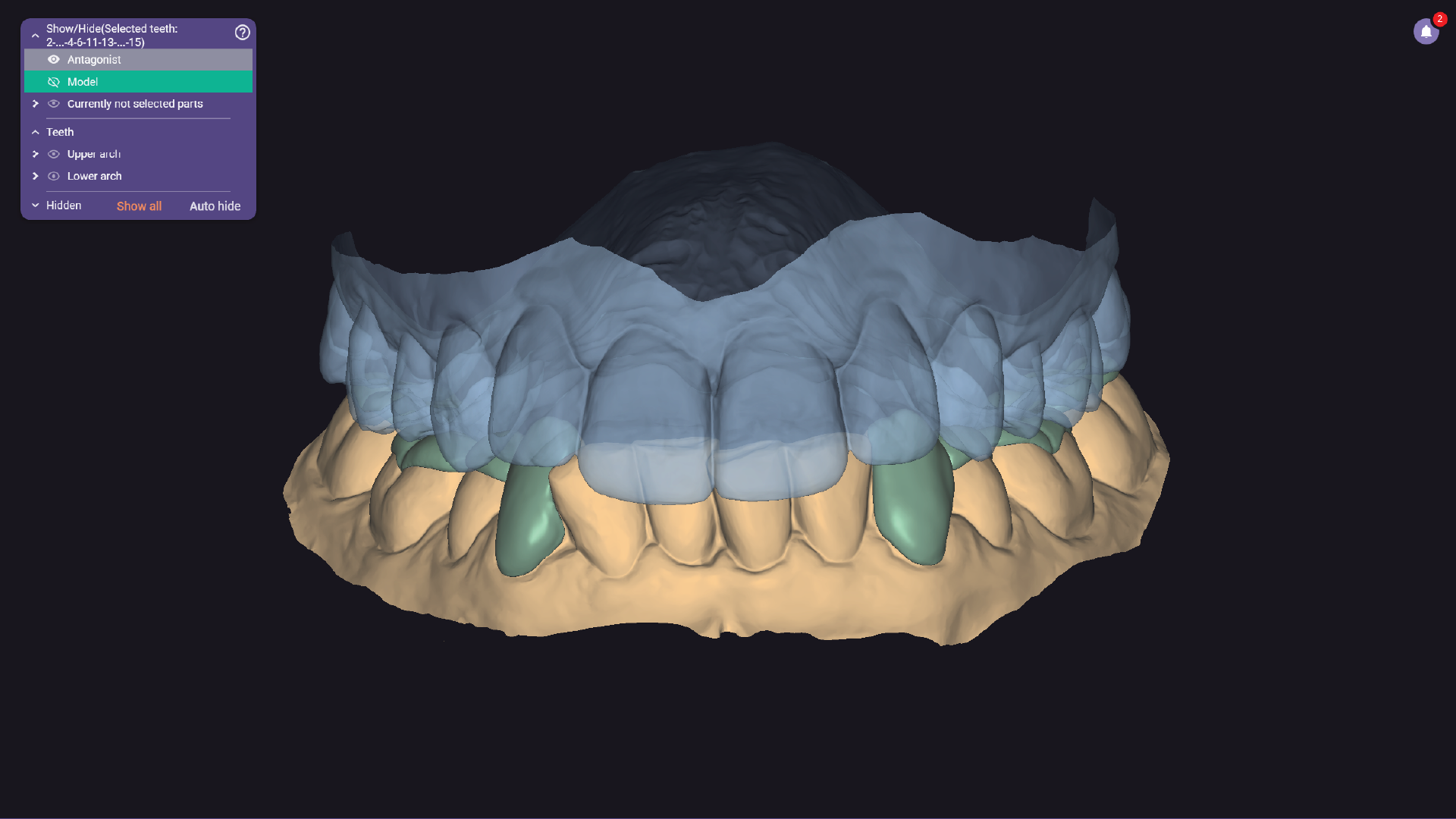
In the interim, all treating specialists were in agreement that the occlusal pressure on the anterior teeth should be eliminated. I decided to achieve this prosthetically using CAD software and 3D printed ceramic-nanohybrid resin.
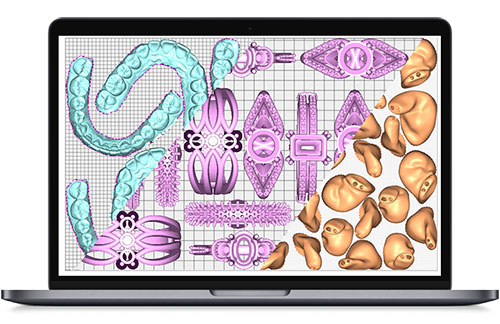
Intraoral scans were made and imported into a dental 3D modeling software.
Traditionally when I am increasing a patient’s VDO, I make the interocclusal
registration using a leaf gauge at the desired opening in the anterior, but the
significant mobility of this patient’s anterior teeth did not allow this. The VDO was increased arbitrarily in the dental 3D modeling software until the anterior teeth were no longer contacting (2.5 mm). Onlays were designed for the mandibular posterior teeth and facial veneers were designed on the mandibular canines to achieve canine guidance.
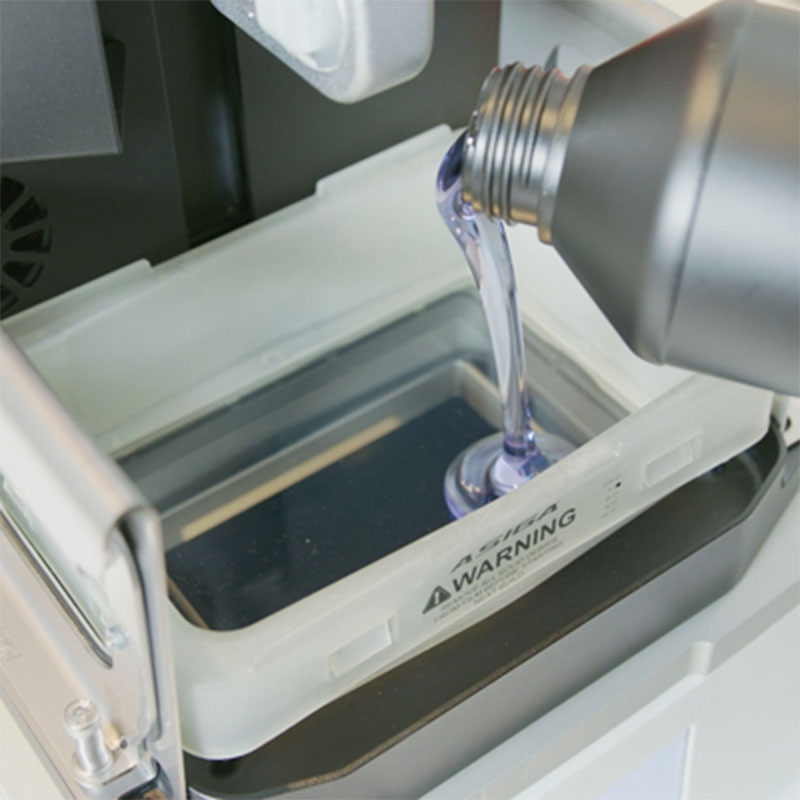
When the design was finalized and an acceptable occlusal result was achieved, the files were printed in Rodin Sculpture 2.0 Shade A1 (Pac-Dent) using the Asiga Max 2, washed in Rodin Universal Resin Cleaner (Pac-Dent), and polymerised using the Asiga Cure and validated curing profile. Dental models and dies were printed in Asiga DentaMODEL using the Asiga Max 2, washed in 100% isopropyl alcohol and polymerised using the Asiga Cure and validated curing profile. The onlays were hand finished and characterised using Rodin Palette 2.0 (Pac-Dent) and Rodin Glaze N2-Free (Pac-Dent).
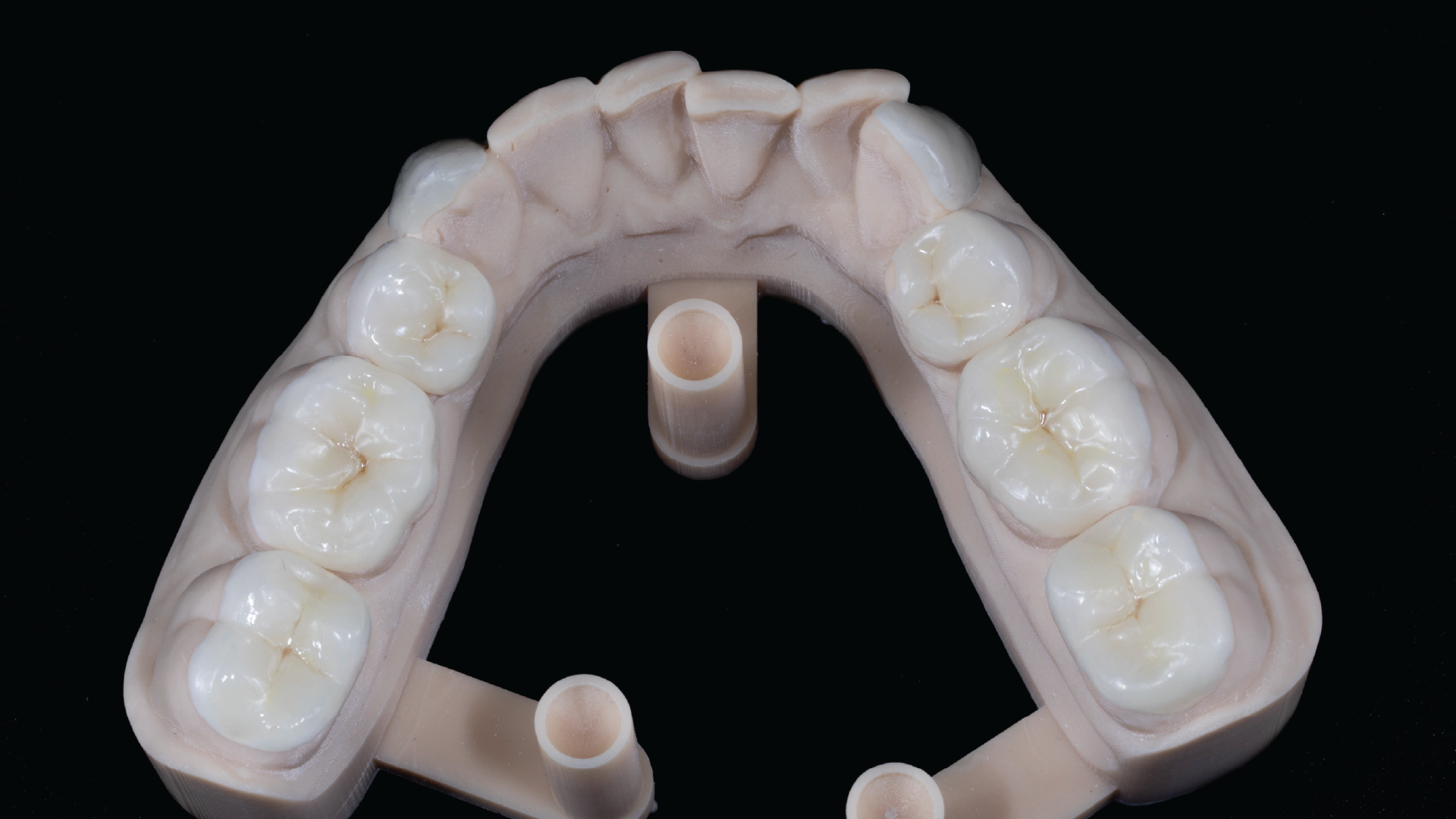
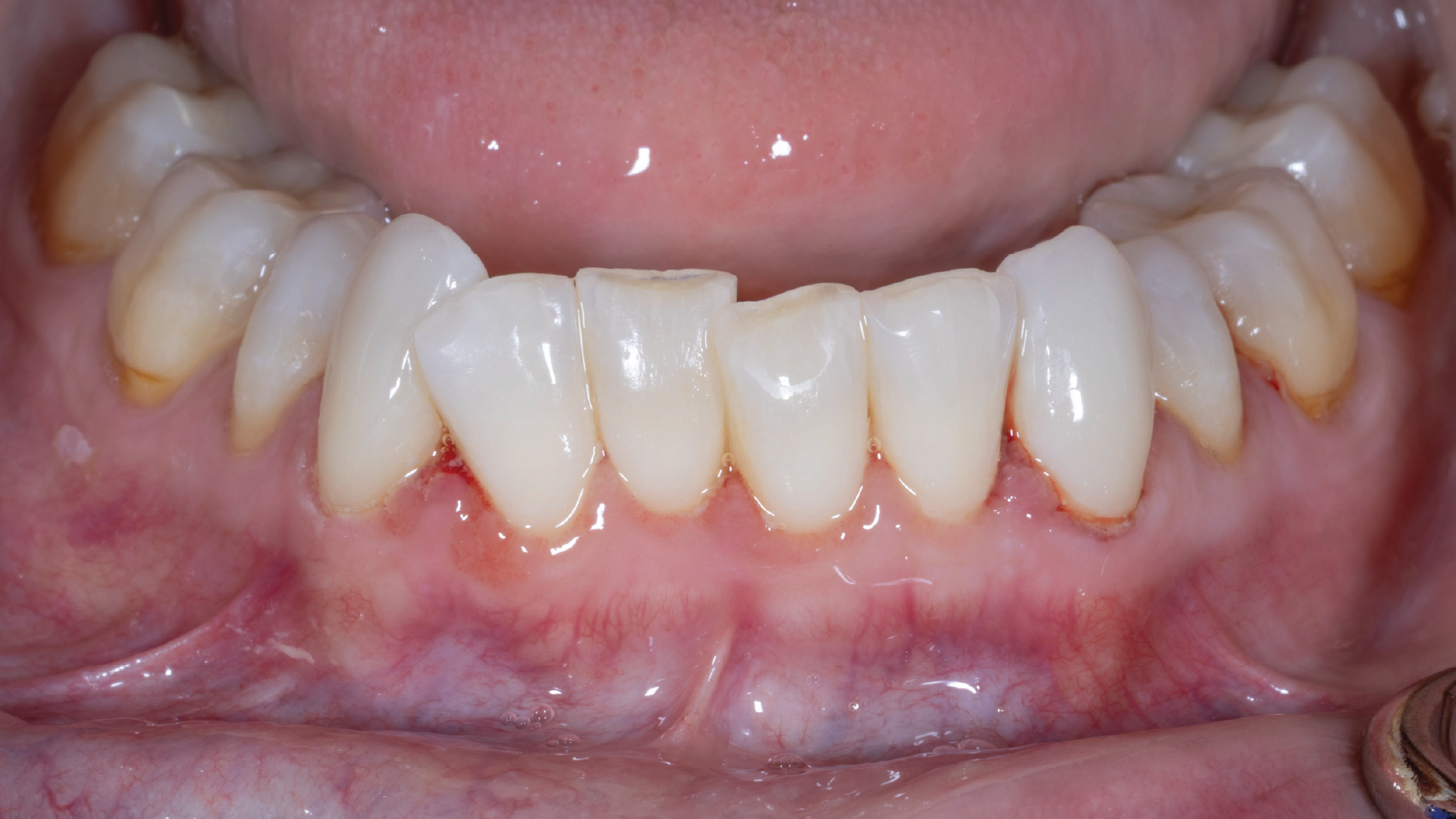
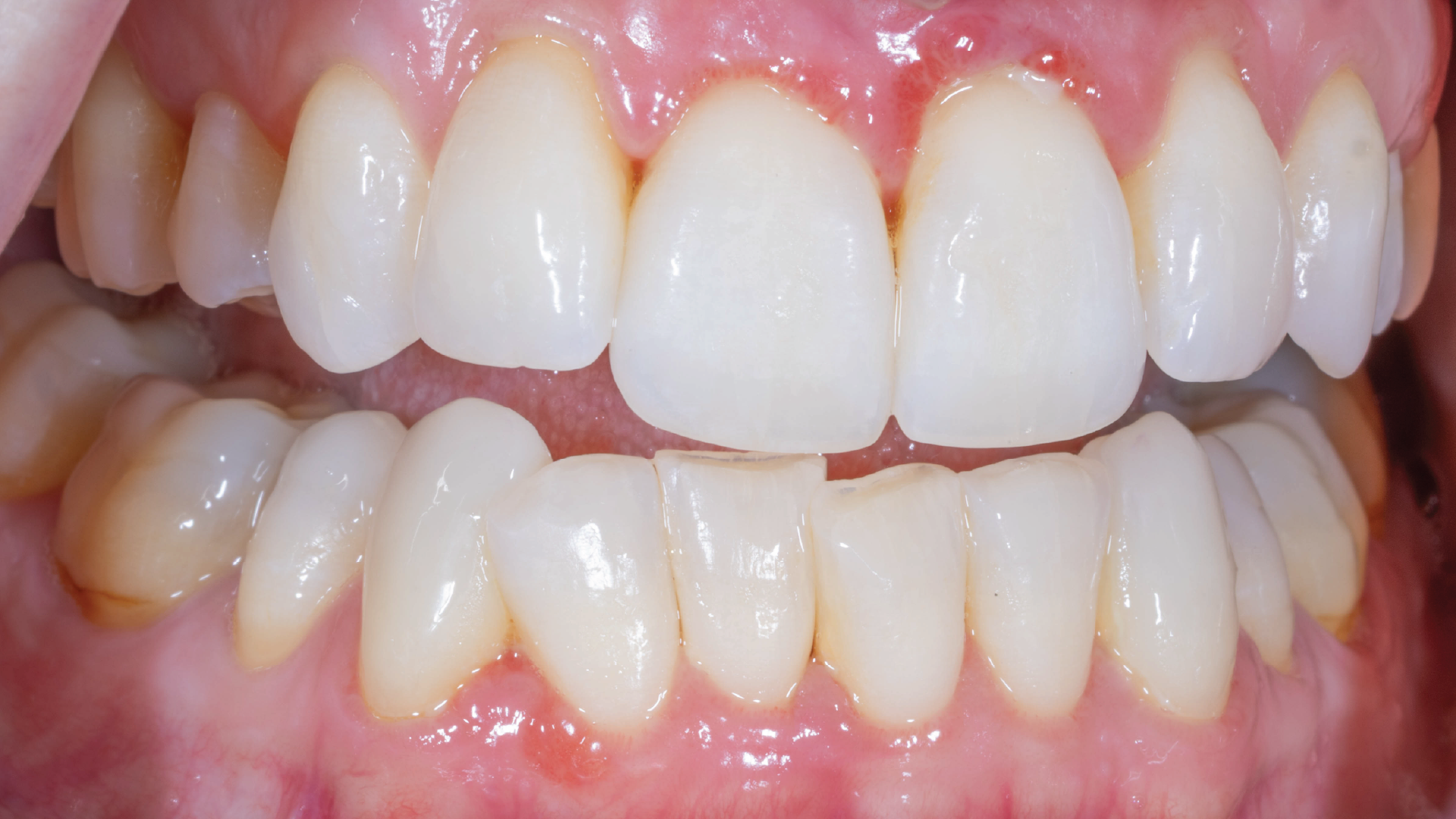
The restorations were tried in and the fit was verified. The intaglio surfaces were treated with air particle abrasion with 50 μm aluminum oxide and Monobond Plus was applied (Ivoclar Vivadent). The teeth were cleaned with 50 μm aluminum oxide, etched with 35% phosphoric acid, and scrubbed with Scotchbond Universal Plus (Solventum). The posterior onlays were cemented with RelyX Universal Translucent (Solventum) and the veneers were cemented with Variolink Esthetic DC Neutral (Ivoclar Vivadent). The margins were polished and the occlusion was verified to be similar to the desired outcome in the design software.
After 6 weeks in function, the restorations show minimal wear and the patient’s lateral incisors have less mobility. Although the central incisors still have mobility, the lack of occlusal trauma will prevent any progression. With regular dental maintenance and good oral hygiene, the periodontist is hopeful that the mobility will decrease over time.
This treatment took a total of three visits: consultation, records, and delivery. The amount of chair time totaled 2.5 hours. If this treatment has been completed with additive composite or crowns, the chair time would have been significantly increased.
About the Author
Dr. Thomas Fuschetto is a Board Certified Prosthodontist; a specialist certified in the restoration and the natural, esthetic and functional replacement of missing or defective teeth. He earned his Doctor of Dental Surgery degree from Stony Brook School of Dental Medicine where he graduated with honors and received several prestigious awards for academic and clinical excellence. Prior to dental school, Dr. Fuschetto trained and worked as a dental laboratory technician, in a high-end dental lab and prosthodontic practice. With his dental laboratory experience, he was able to develop a greater understanding for dentistry and fuel his passion for prosthodontics.
Dr. Fuschetto continued his education at Stony Brook where he completed an
extensive three-year postgraduate residency program and received a certificate in Advanced Education in Prosthodontics. He was proficiently trained in the use of cutting-edge technology in digital dentistry. During his final year of residency, he served as chief resident and contributed to the education of his peers.
Dr. Fuschetto is passionate about restoring his patients’ smiles and oral function by promoting the highest standards of dental care. His expert dental laboratory skill set makes him unique, as only a small percentage of prosthodontists have such training.
Dr. Fuschetto practices in both Westchester County and Manhattan, NY.
Share: