











Scaling Splint Production with UltraGLOSS LIFT Trays in the Asiga Ultra

By Matthias Zimmerer
Introduction
As demand for digitally manufactured occlusal splints continues to grow, dental laboratories face increasing pressure to improve throughput while maintaining quality and profitability.
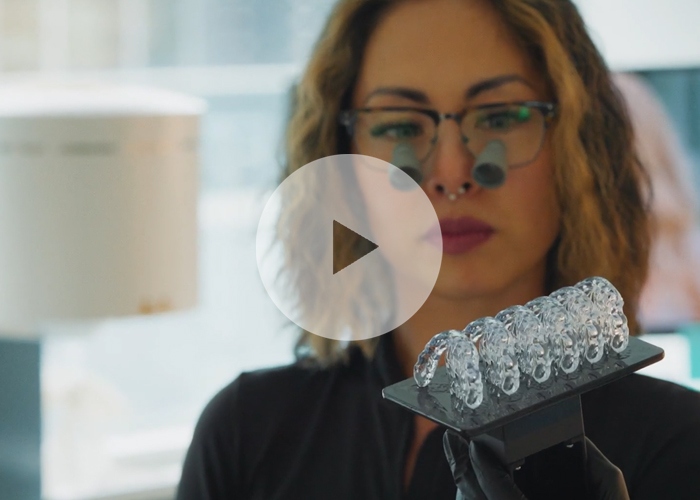
While most modern dental 3D printers can produce clinically acceptable splints, many laboratories continue to lose valuable production capacity through manual polishing, limited build volume, material restrictions, and labor-intensive workflows. This case study examines how a production laboratory leveraged the combination of the Asiga Ultra 50, UltraGLOSS LIFT™ Build Trays, and DETAX Splintmaster TAFF® resin to increase production capacity, improve consistency, and reduce overall manufacturing costs.
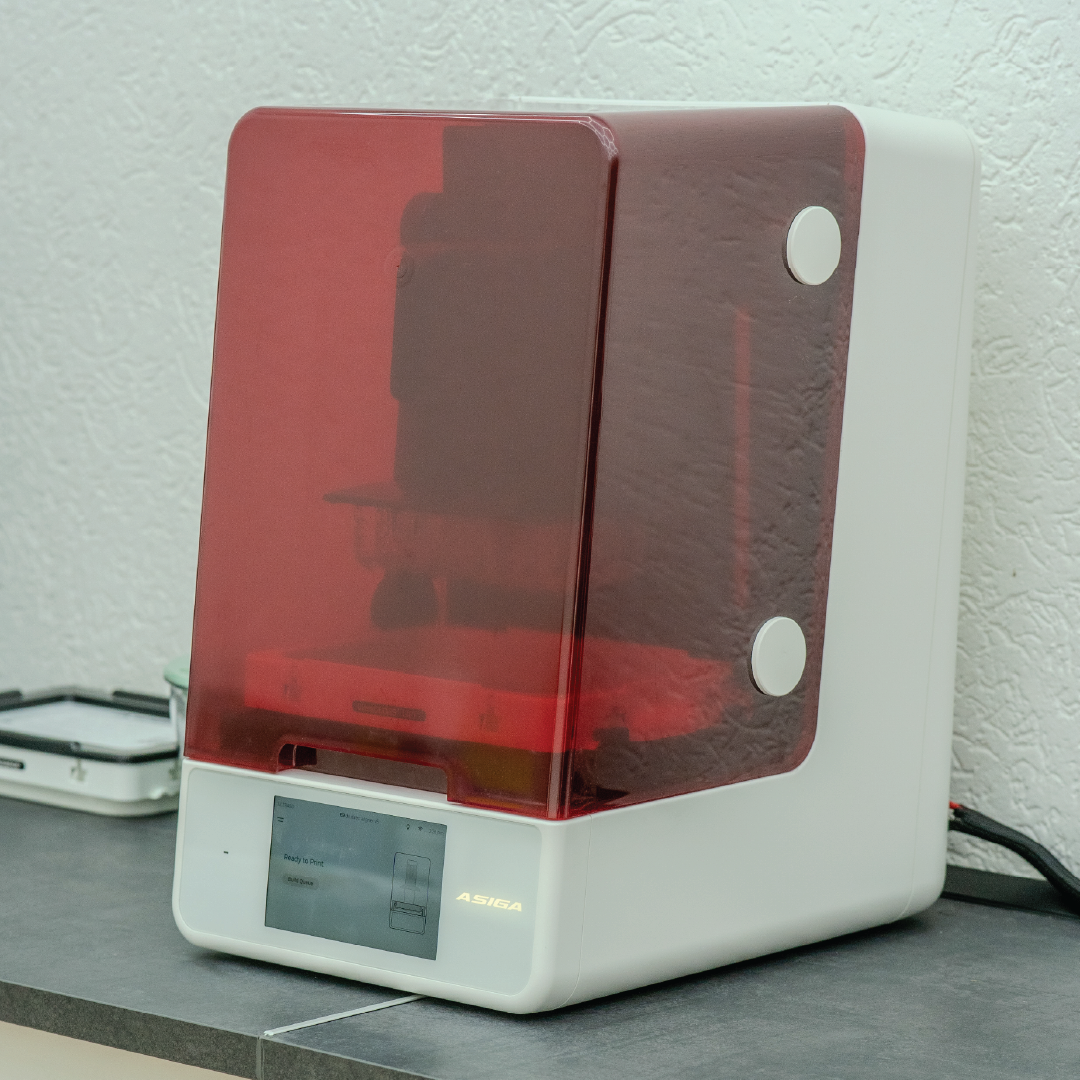
We produce between 40 and 80 splints per day using a combination of desktop dental printers and conventional post-processing workflows. Several operational challenges limited scalability, including the manual polishing of splints after printing, the necessity for multiple production runs each day, a high dependency on labor, and inconsistent surface quality between operators. Furthermore, the laboratory faced growing demand without the corresponding production capacity. Although print accuracy met clinical requirements, production efficiency had become the primary bottleneck.
To address these challenges, DETAX Splintmaster TAFF® was selected because of its high fracture resistance, long-term durability, excellent patient comfort, proven clinical performance, and suitability for premium therapeutic splints. The laboratory’s objective was not simply to print splints, but to create a scalable manufacturing process for high-quality appliances. For splint manufacturing, surface quality directly influences patient comfort, chairside adjustments, delivery time, and post-processing costs. While traditional workflows often require extensive polishing after printing, UltraGLOSS LIFT changes the workflow by generating exceptionally smooth surfaces directly during the printing process. The benefits of this technology include reduced polishing time, improved consistency, faster production cycles, and higher operator independence. This addresses a major industry blind spot, as most laboratories calculate resin cost per splint, but very few calculate polishing cost per splint, even though labor exceeds material cost in many cases.
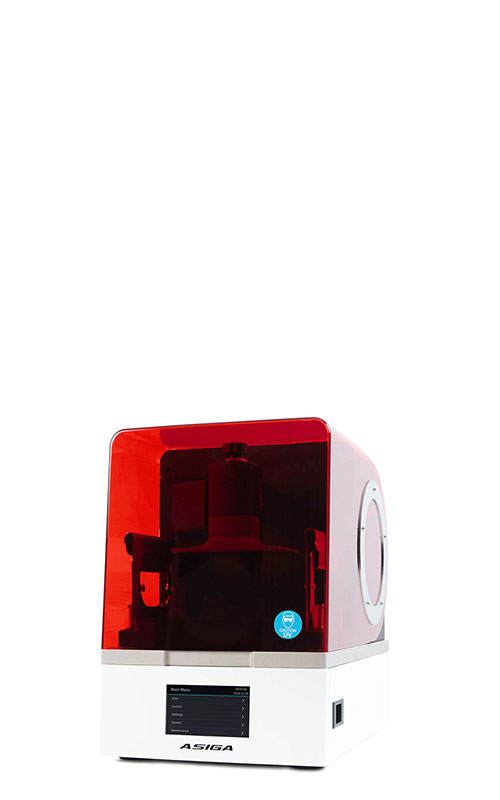
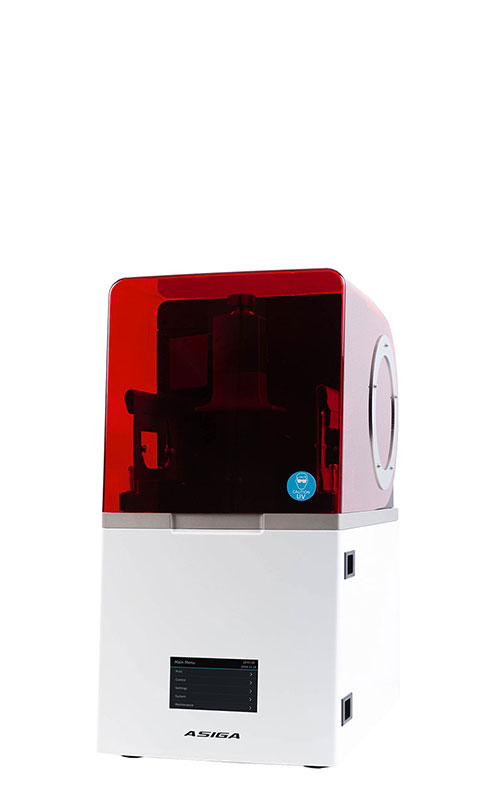
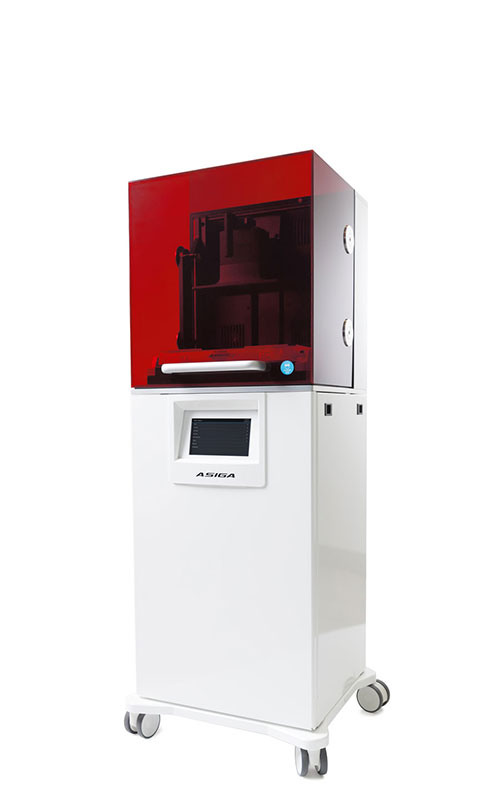
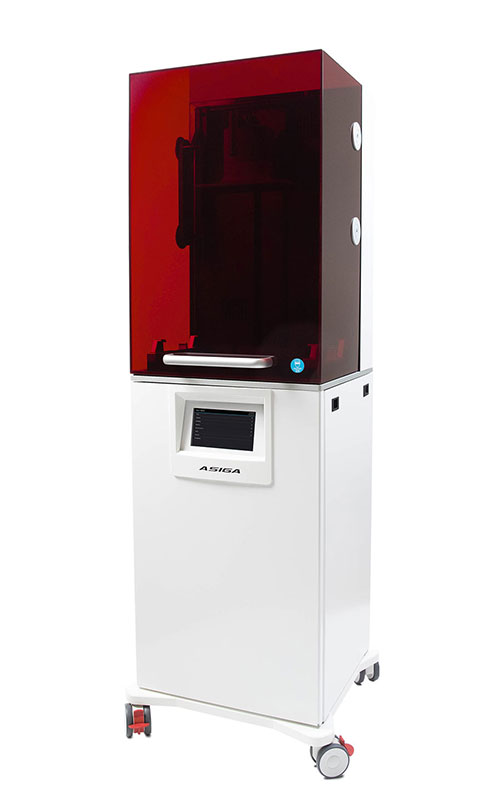
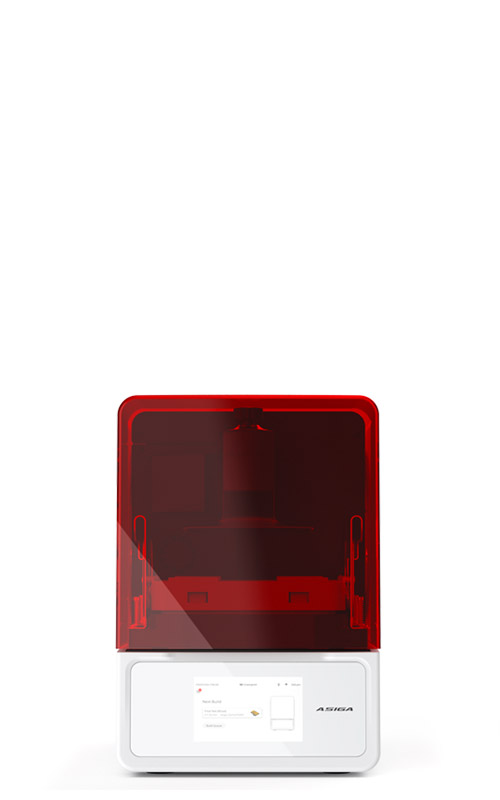
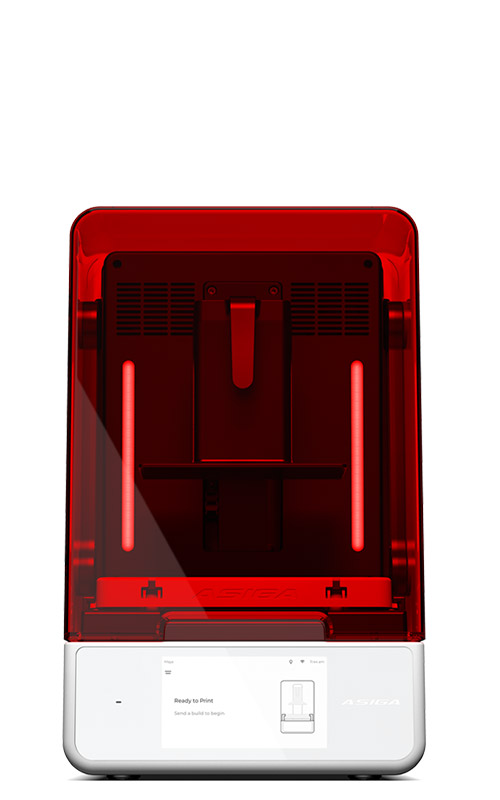
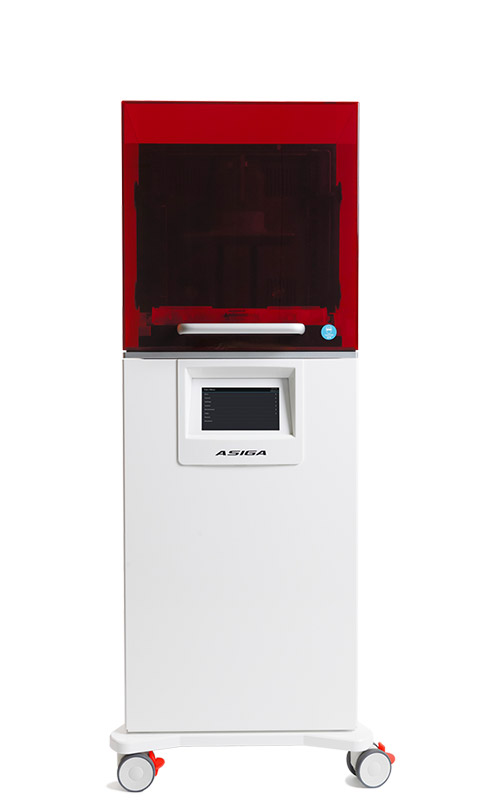
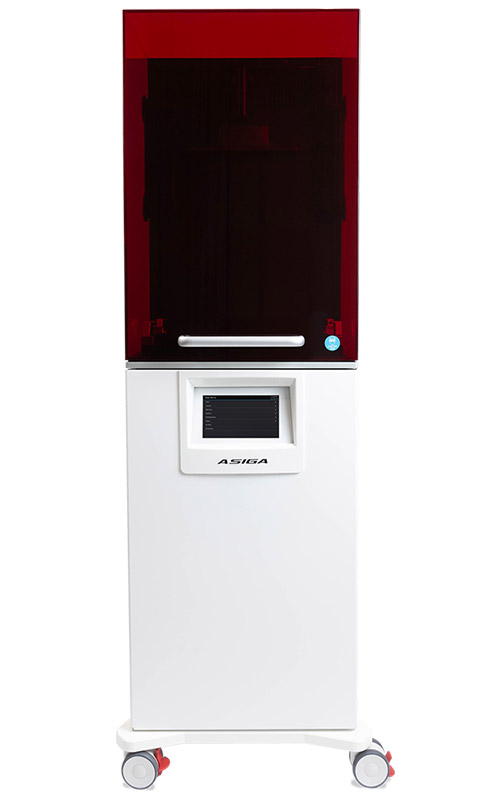
When comparing technology options, both the Asiga Max 2 and the Asiga Ultra 50 systems produce highly accurate appliances using the same validated materials and UltraGLOSS LIFT technology, but the core difference lies in production scale. While the Asiga Max 2 focuses on flexible production with medium build capacity, a moderate number of splints per production cycle, similar labor per splint, and good cost per appliance, the Asiga Ultra 50 is designed for industrial-scale production. The Ultra 50 provides high build capacity, a significantly higher number of splints per production cycle, lower labor per splint, and an optimised cost per appliance. This allows laboratories to consolidate multiple production runs into a single manufacturing cycle. This shift is critical because a printer does not generate profit while printing; rather, it generates profit when it reduces the number of production cycles required each day.
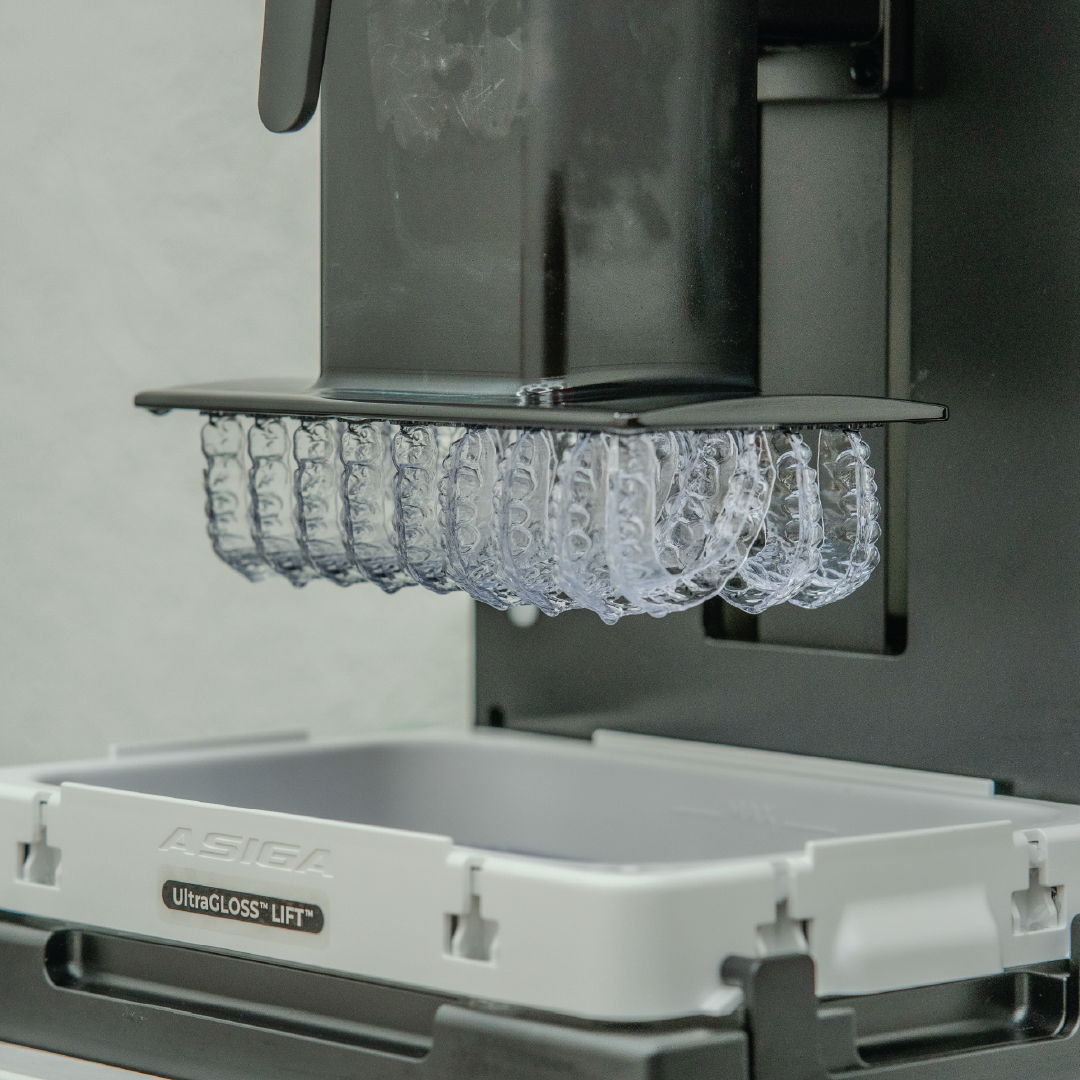
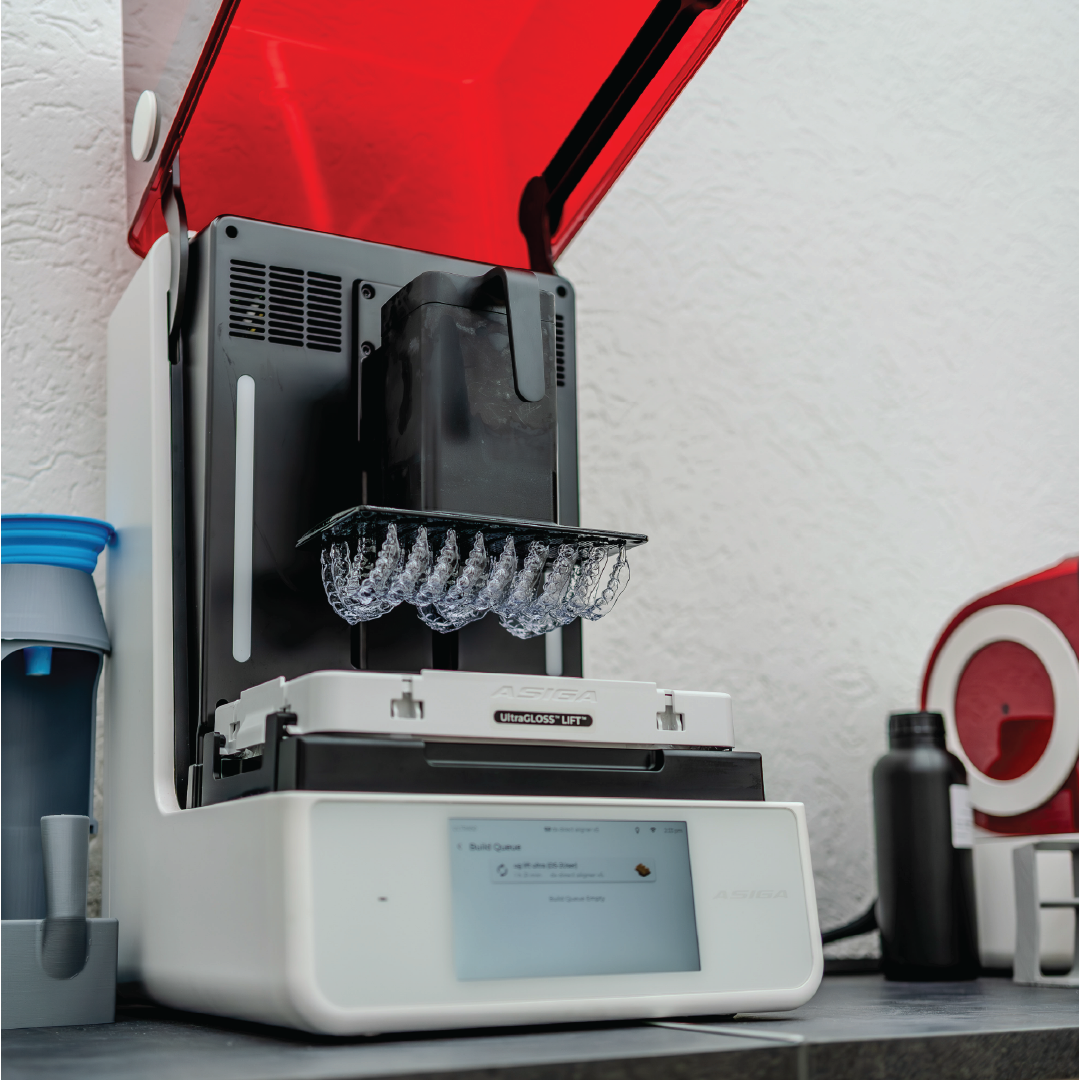
Many competing systems focus on printer speed specifications, but overall production efficiency depends on build volume, surface quality, post-processing requirements, material flexibility, and labor requirements. When these factors are considered together, the Ultra 50 workflow demonstrated measurable advantages, including fewer production runs, reduced polishing, lower labor costs, improved production planning, and higher daily output. This highlights the reality that the most expensive splint is not the failed splint, but the one that requires five minutes of manual labor every single time.
An ROI analysis based on a production volume of 60 splints per day demonstrates that an average polishing reduction of 4 minutes per splint yields a labor savings of 240 minutes per day, which is equivalent to 4 labor hours daily. At a rate of €40 per hour, this results in a daily savings of €160 and an annual savings of €35,200 across 220 production days. This calculation safely excludes additional financial benefits such as increased throughput, reduced remakes, reduced tray maintenance, and improved machine utilisation.
In conclusion, the combination of the Asiga Ultra 50, UltraGLOSS LIFT, and DETAX Splintmaster TAFF® transforms splint production from a printing workflow into a true manufacturing workflow. While many printers compete on technical specifications, the Ultra 50 platform focuses on what matters most to laboratories by delivering more splints per day, less manual labor, lower cost per appliance, and consistent premium quality. Ultimately, while most laboratories ask how fast the printer is, high-volume laboratories ask how many finished splints leave the building every day, and that is where the Ultra 50 and UltraGLOSS LIFT platform delivers its greatest advantage.
About the Author
Growing up in his parents’ dental laboratory, the path to dental technology was very obvious for Matthias Zimmerer. The apprenticeship was followed by the successful completion of parts II-IV of the master craftsman’s diploma in the dental technician trade. Afterwards he worked in various jobs in commercial and practice laboratories.
Since 2013 he has been laboratory manager in the practice laboratory of dentist Dr. Heidi Edl in Erbendorf, whose focus is on digital dentistry. Both the integration of the digital workflow to the maximum extent and the further development of the digital production possibilities are part of his everyday life there, in order to optimally tailor aesthetic dentures to the needs of the patients.
He takes great pleasure in integrating new technologies into existing, well-established processes and in constantly optimising them. He sees many possibilities for change and further development in digital dental technology, which he puts to the test every day.
Matthias also had the ingenious idea of starting the Asiga Dental Experts page on Facebook!!
Share: