













Tunable resins with PDMS-like elastic modulus for stereolithographic 3D-printing of multimaterial microfluidic actuators
Alireza Ahmadianyazdi, Isaac J. Miller and Albert Folch
Abstract
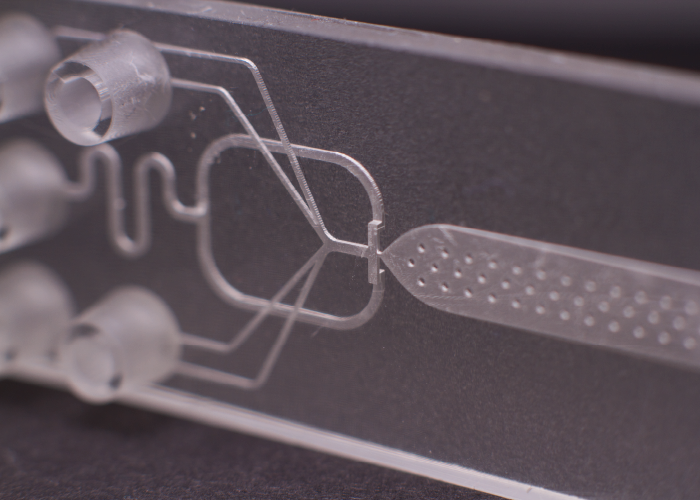
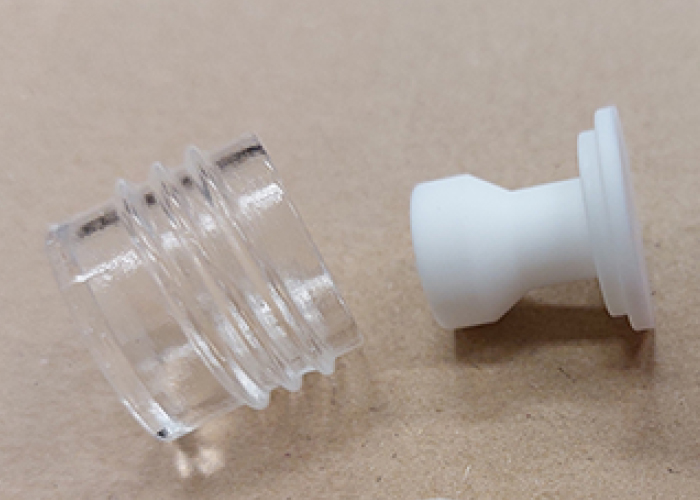
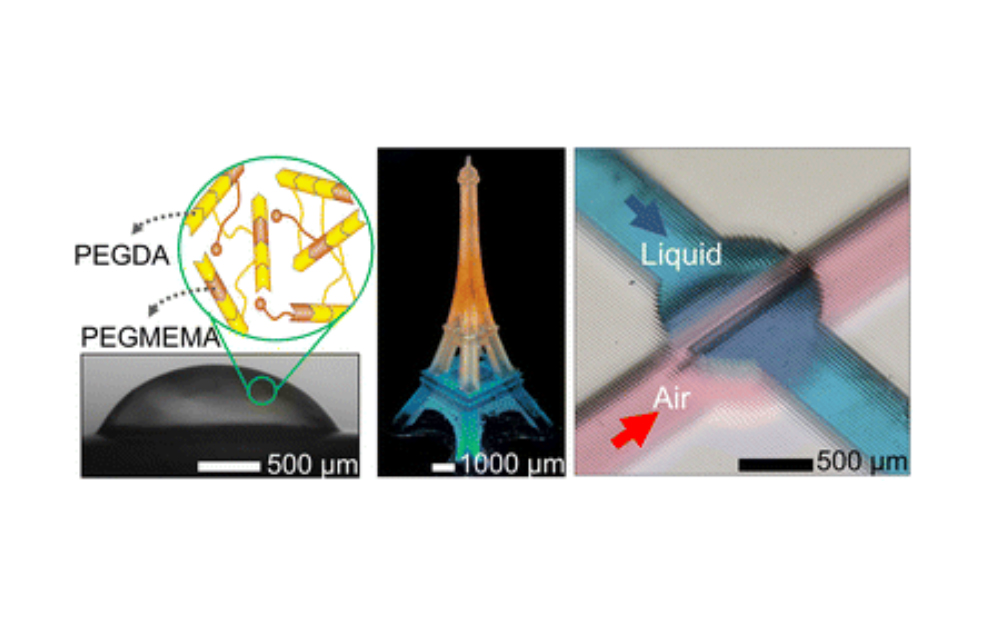
Stereolithographic 3D-printing (SLA) permits facile fabrication of high-precision microfluidic and lab-on-a-chip devices. SLA photopolymers often yield parts with low mechanical compliancy in sharp contrast to elastomers such as poly(dimethyl siloxane) (PDMS). On the other hand, SLA-printable elastomers with soft mechanical properties do not fulfill the distinct requirements for a highly manufacturable resin in microfluidics (e.g., high-resolution printability, transparency, low-viscosity). These limitations restrict our ability to print microfluidic actuators containing dynamic, movable elements. Here we introduce low-viscous photopolymers based on a tunable blend of the monomers poly(ethylene glycol) diacrylate (PEGDA, Mw ∼ 258) and the monoacrylate poly(ethylene glycol methyl ether) methacrylate (PEGMEMA, Mw ∼ 300). In these blends, which we term PEGDA-co-PEGMEMA, tuning the PEGMEMA content from 0% to 40% (v/v) alters the elastic modulus of the printed plastics by ∼400-fold, reaching that of PDMS.
Visit the Royal Society of Chemistry website to access the paper here >
Share: