


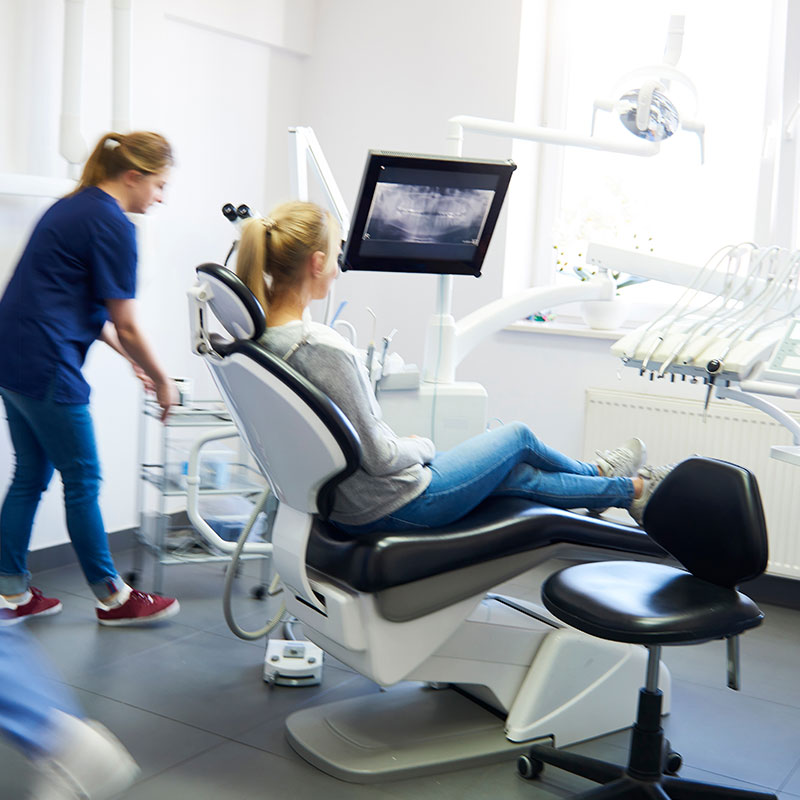



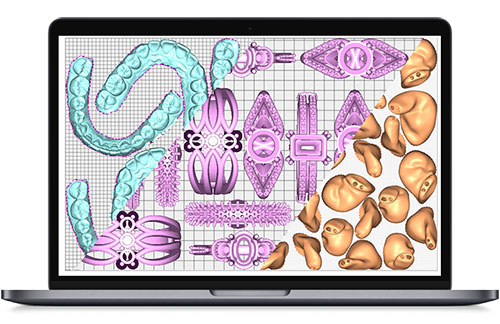
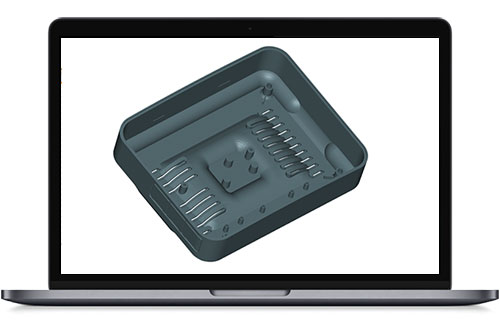
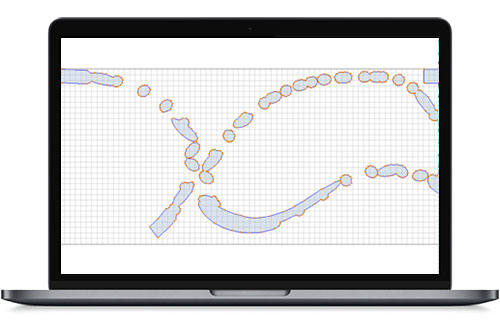







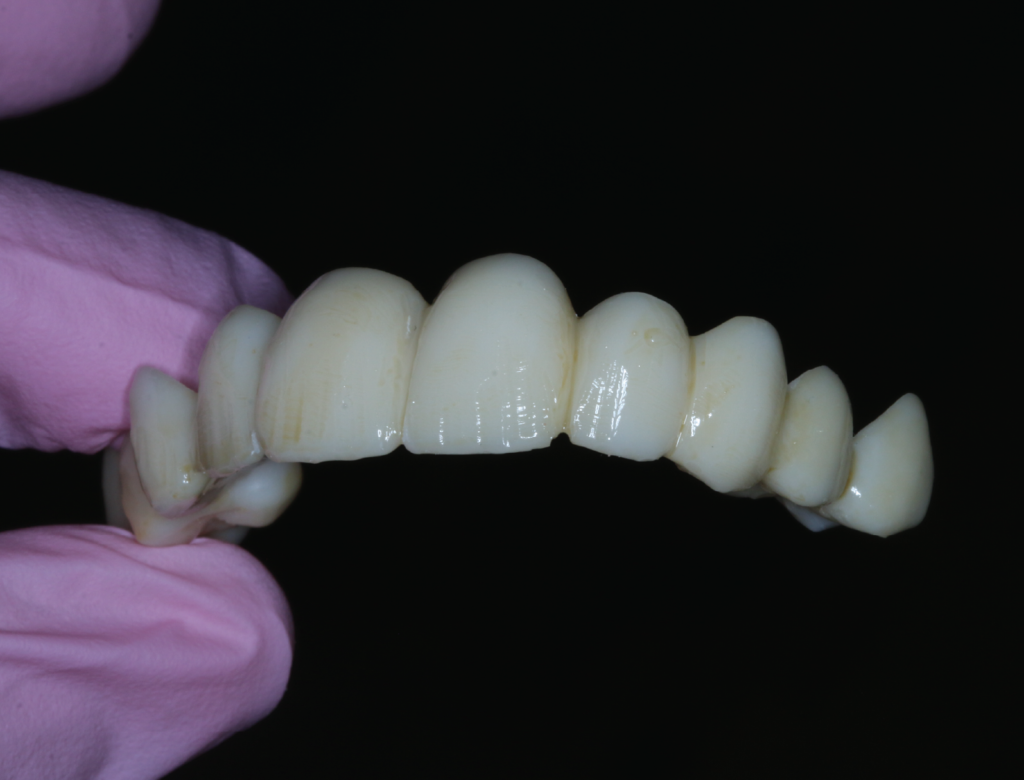
The 3D printed Munich splint.
A functional and aesthetic interim
solution for anterior implant sites.
By Dr. Ian Buckle
The Challenge of the Maxillary Anterior Region
The restoration of the maxillary anterior region remains one of the most demanding disciplines in contemporary restorative dentistry. The loss of upper anterior teeth, whether due to trauma, advanced periodontal disease, or endodontic failure, presents a multifaceted challenge that transcends simple aesthetics. These teeth are not merely the “smile window” of the face; they are the fundamental components of a complex stomatognathic system. They serve as the primary determinants of anterior guidance, facilitate precise phonetics, provide essential lip support for facial harmony, and ensure occlusal stability by protecting the posterior dentition during excursive movements.
Historically, the provisional phase during implant planning has been viewed as a compromise. Conventional solutions, such as removable partial dentures (flippers), Essix retainers, or resin-bonded bridges, often fail to meet the high functional and psychological demands of the modern patient. Removable appliances are frequently bulky, interfere with speech, and can place untoward pressure on healing surgical sites or soft tissues. Furthermore, they offer little in the way of occlusal control, often leaving the patient in a state of functional instability. To bridge this gap, the integration of digital occlusal principles with advanced 3D printing solutions has introduced a transformative alternative: the digitally designed and printed Munich splint. This approach reimagines the interim phase not as a temporary stop-gap, but as a sophisticated diagnostic and therapeutic tool that ensures predictability from the initial extraction to the final crown delivery.


Clinical Rationale and the Evolution of the Munich Splint
The Munich splint is traditionally recognised in gnathology as a stabilisation appliance used to treat temporomandibular disorders (TMD) and to provide a “blank slate” for occlusal reconstruction. Its primary function is to provide even, simultaneous occlusal contacts and to facilitate muscular deprogramming by removing existing dental interferences. By adapting this classic concept into a digital workflow, clinicians can extend the splint’s utility to include the replacement of missing anterior teeth.
This digital adaptation offers several distinct advantages over traditional temporisation. First, it allows for the maintenance of precise anterior guidance during the critical healing and planning phase. By incorporating anatomically correct pontics into a full-coverage appliance, the clinician can control the envelope of function, ensuring that the patient does not develop deleterious parafunctional habits while waiting for osseointegration. Second, the Munich splint is entirely non-invasive and reversible. Unlike a bonded bridge, it requires no preparation of adjacent healthy teeth, preserving tooth structure for the final restorative design. Furthermore, the full-coverage nature of the splint protects existing posterior restorations and natural teeth from the stresses of parafunction, which is a common concern in patients undergoing extensive oral rehabilitation.
Indications for the Digital Munich Splint
A digitally printed Munich splint with anterior tooth replacement is particularly indicated in complex cases where standard temporisation is insufficient. It is the ideal choice when a patient presents with missing upper anterior teeth and a concurrent history of bruxism or occlusal instability. In these instances, the splint serves a dual purpose: restoring the smile and stabilising the bite.
Additionally, it is indicated when implant positioning must be strictly prosthetically driven. By wearing the splint, the patient and clinician can “test-drive” the planned position of the future teeth. This allows for the evaluation of phonetics, lip support, and aesthetics in a real-world environment before a single implant is placed. If the patient is dissatisfied with the appearance or function, the digital design can be modified and a new version printed in hours, rather than weeks. This iterative process is a cornerstone of modern digital dentistry, reducing the risk of failures in the final ceramic restorations.

The Digital Workflow: Precision from Acquisition to Design
The success of the Munich splint depends on the accuracy of the initial data. The workflow begins with intraoral scans of both the maxillary and mandibular arches. Unlike traditional polyvinyl siloxane (PVS) impressions, digital scans eliminate the risk of tray distortion or material shrinkage, providing a digital carbon copy of the patient’s oral cavity. Crucially, an accurate occlusal record must be captured in the desired vertical and centric position. This is often supplemented by extraoral facial and smile reference photographs, which allow the designer to align the digital teeth with the patient’s facial midline and pupillary line.
Once the data is imported into CAD software, the design phase begins. The splint is designed as a full-coverage maxillary appliance with specific gnathological parameters: even contacts in centric relation and smooth, shallow anterior guidance. The missing teeth are replaced with anatomically correct pontics that are integrated into the body of the splint. A critical aspect of the design is the incorporation of clearance and relief in the areas where implants are planned. This ensures that the appliance does not exert pressure on the surgical site, whether it be a recent extraction socket, a bone graft, or a newly placed implant. The result is a monolithic appliance that functions as a high-strength provisional and an occlusal stabiliser.
Additive Manufacturing: The Role of the Asiga Max
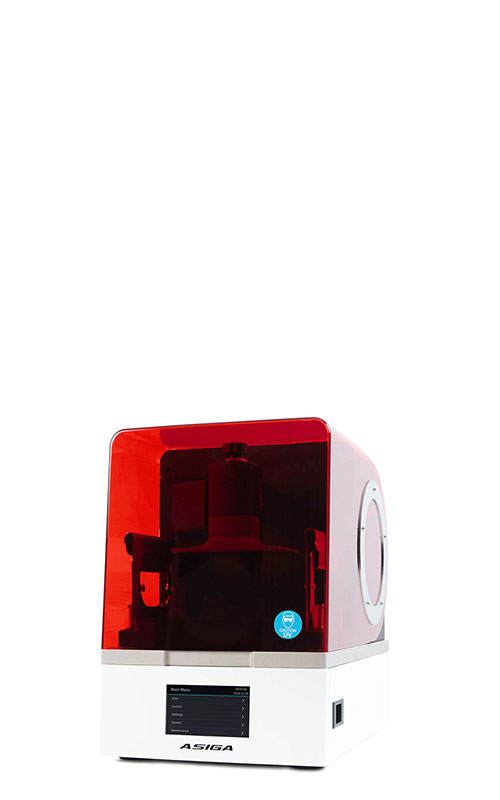
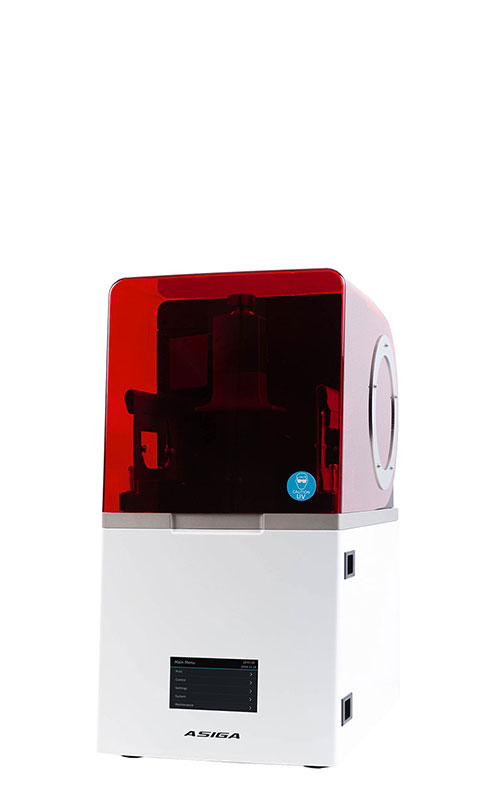
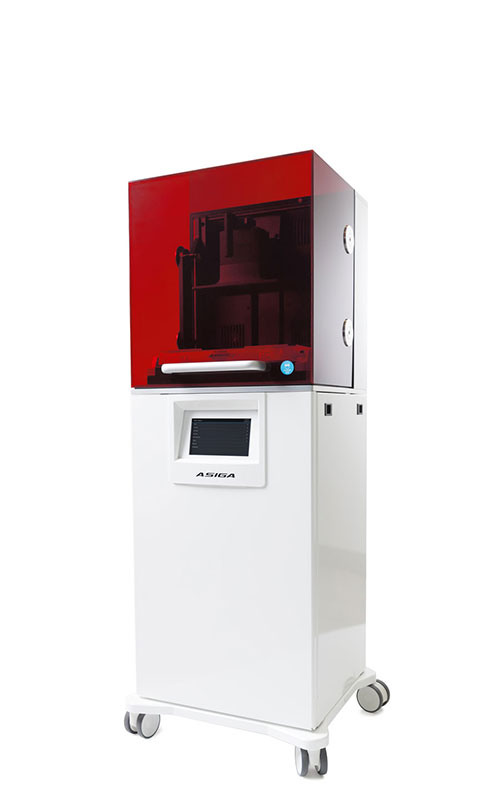
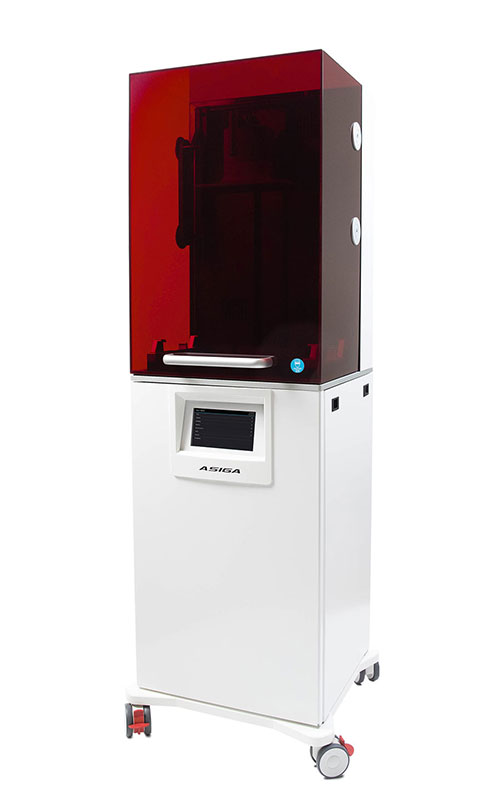
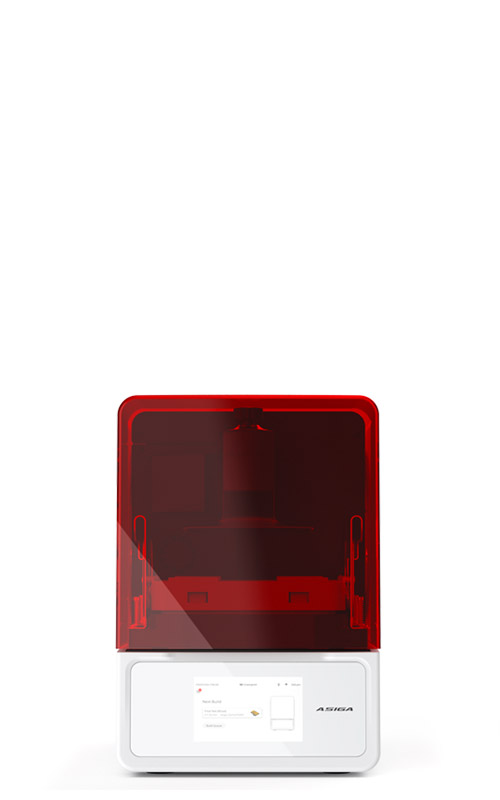
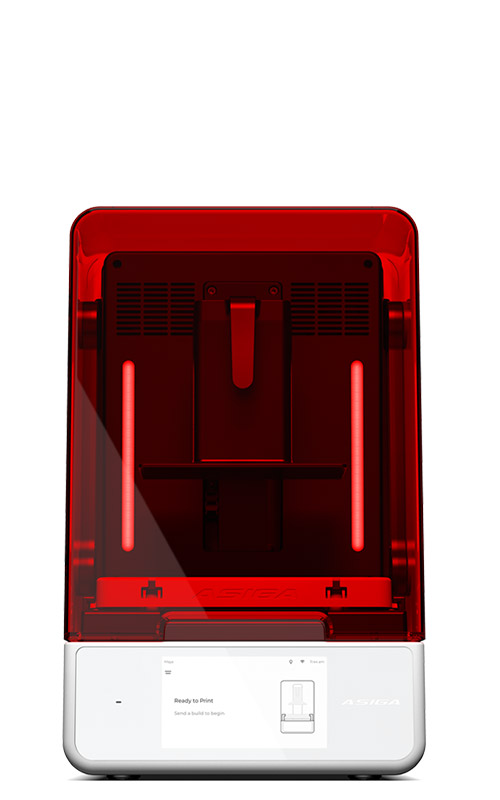
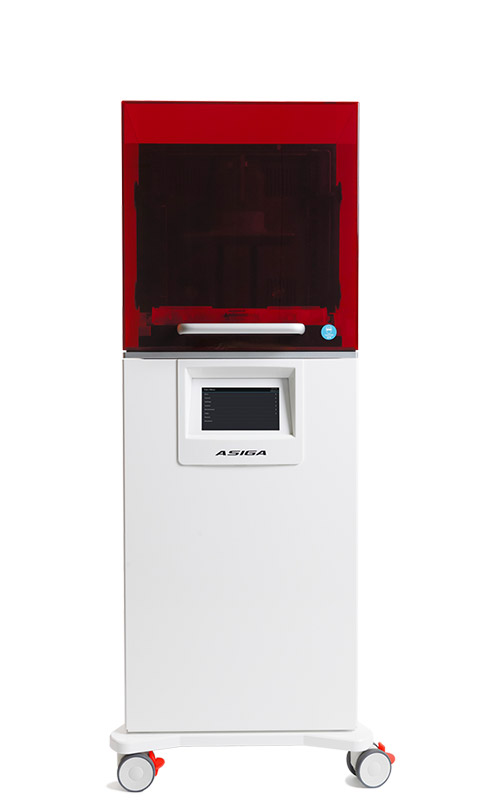
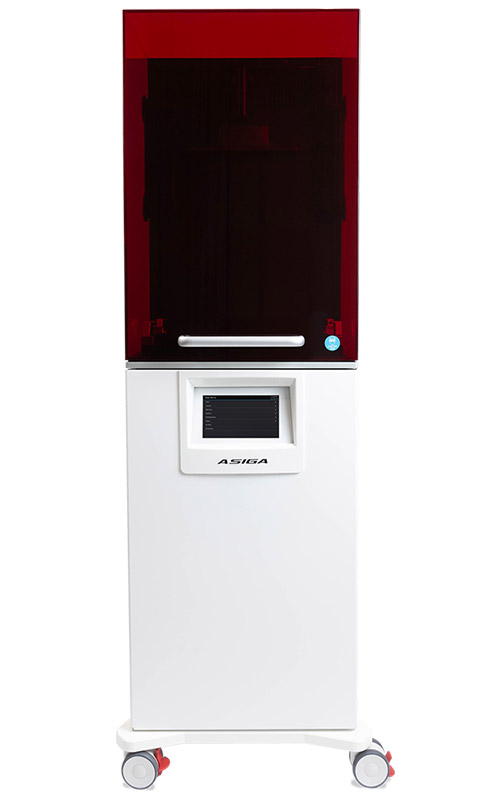
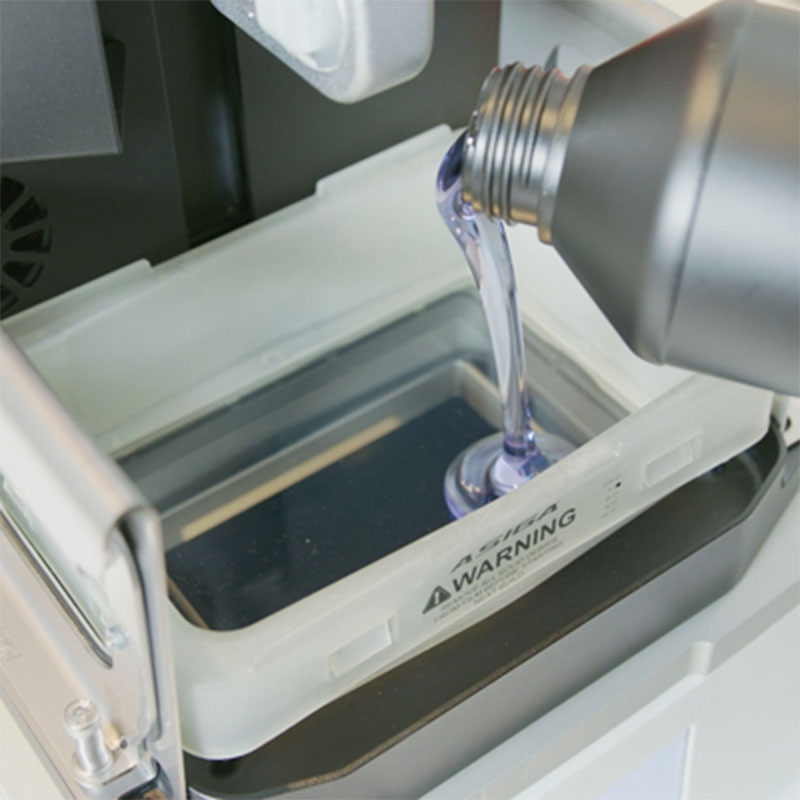
The transition from a digital design to a physical appliance requires a manufacturing platform capable of extreme precision. My Asiga Max is specifically selected for this task. Its high dimensional accuracy ensures that the splint seats passively, which is vital for patient comfort and the health of the underlying tissues.
The choice of material is equally important. Biocompatible resins designed for long-term splints offer the necessary flexural strength to withstand occlusal forces while remaining gentle on the opposing dentition. The Max’s consistency and accuracy ensures that the resin reaches its optimal mechanical properties, reducing the risk of fracture. Post-processing, which involves cleaning the appliance in isopropyl alcohol and final curing in a curing unit, is performed strictly according to manufacturer guidelines to ensure patient safety and material longevity.
Clinical Delivery and Long-Term Value
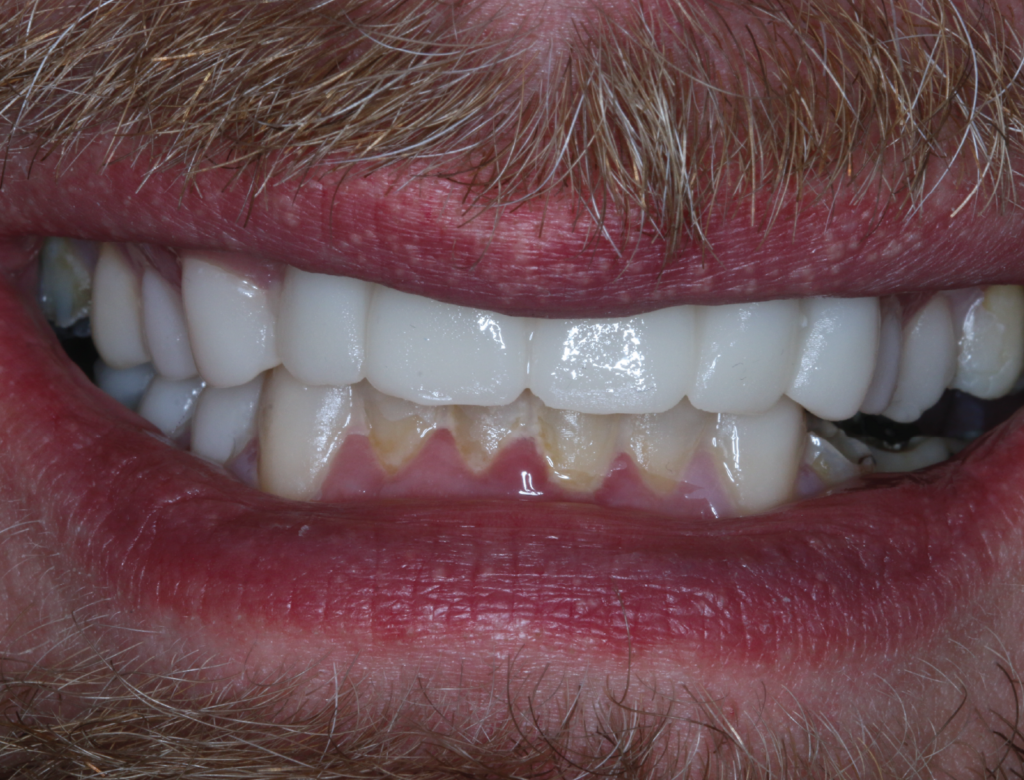
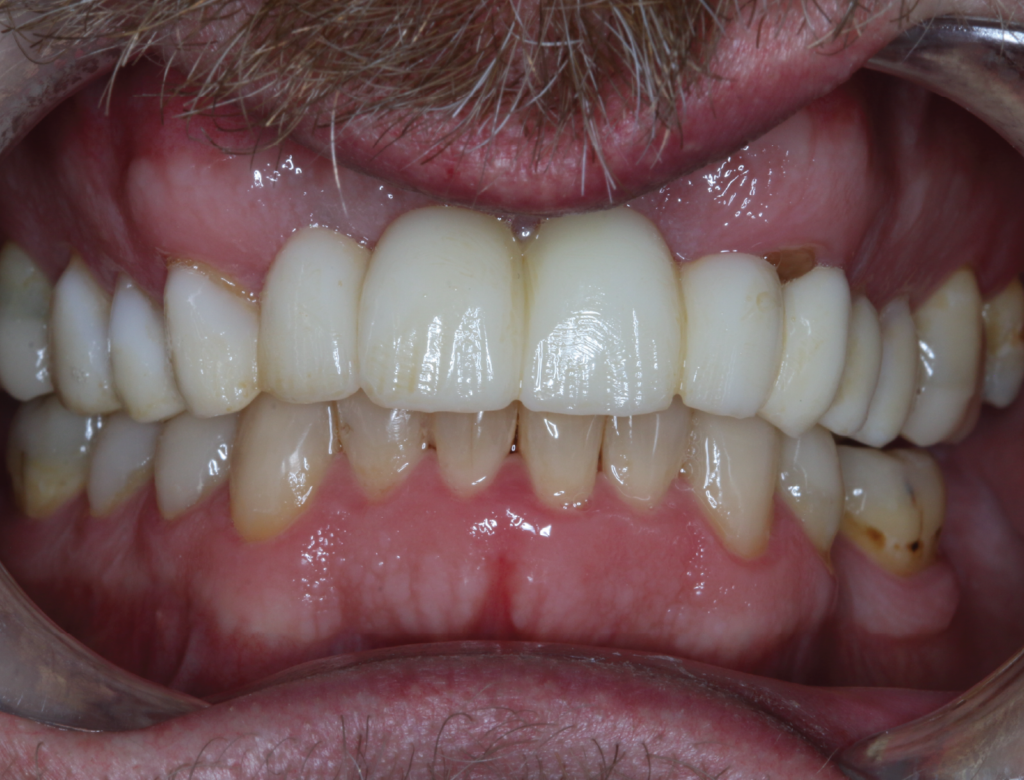
At the delivery appointment, the splint is evaluated for passive seating and retention. Because of the accuracy of the digital workflow, adjustments are typically minimal. The clinician refines the occlusal contacts using thin articulating paper to ensure even posterior contact in maximum intercuspation. Anterior guidance is checked to ensure that the pontics provide a smooth transition during lateral and protrusive movements without interfering with the patient’s speech.
The feedback from patients using this protocol is overwhelmingly positive. They report a sense of security and stability that is absent with removable flippers. Psychologically, the transition to dental implants is made significantly easier when the interim phase provides a preview of the final result. In conclusion, the digitally designed and printed Munich splint represents a shift in philosophy. By combining the principles of occlusal therapy with the efficiency of 3D printing, clinicians can provide a superior level of care that prioritises both the functional longevity of the implant and the immediate aesthetic needs of the patient. This workflow stands as a predictable, efficient, and evidence-based solution for one of dentistry’s most challenging clinical scenarios.
About the Author
Ian Buckle qualified from his native Liverpool University in 1985 and now enjoys more than 30 years of experience in general private and NHS practice. Through Buckle Advanced Dental Care in Thornton Hough on the Wirral, Ian provides some of the UK’s highest quality reconstructive, aesthetic and implant dentistry.
Ian is involved with designing and teaching hands-on courses for dentistry’s core curriculum. He regularly hosts seminars and study clubs across Europe and is a prolific international speaker on functional and aesthetic dentistry. Ian spends around two-thirds of his time in clinical practice and devotes his remaining time to educating others. He says this approach keeps him on the leading edge of both disciplines.
Ian is a member of the American Academy of Cosmetic Dentistry (AACD), the British Academy of Cosmetic Dentistry (BACD), The British Dental Association (BDA) and the Association of Dental Implantology (ADI).
Share: