










Fabricating the Perfect Surface Finish with the UltraGLOSS LIFT Tray

By Marithe Baclagon, The Innovative Tooth Fairy

The background.
Drive for digital excellence
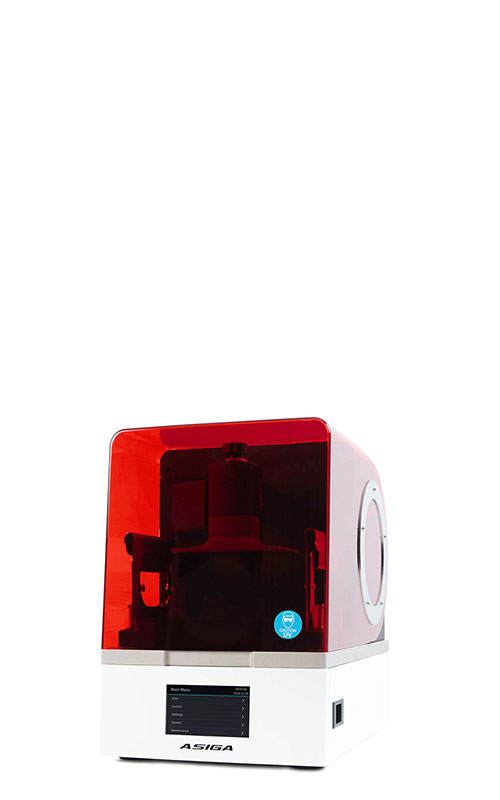
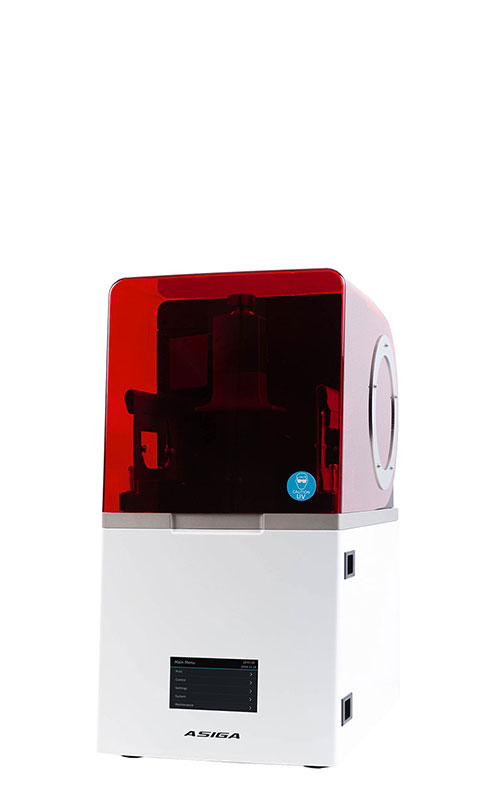
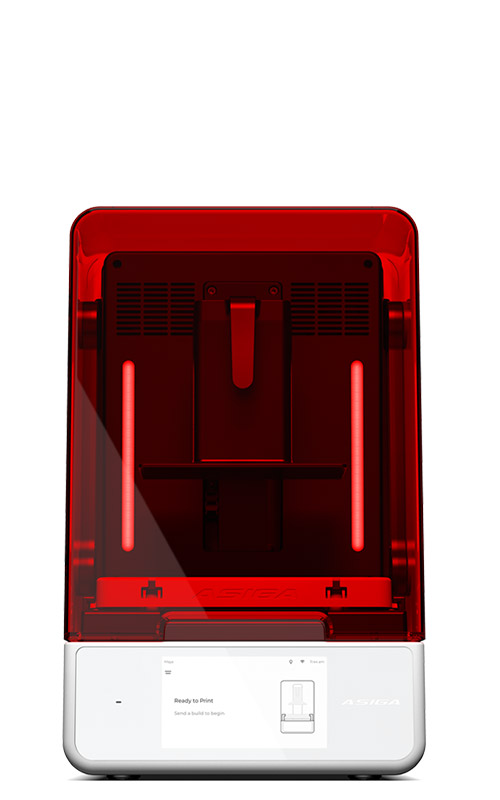
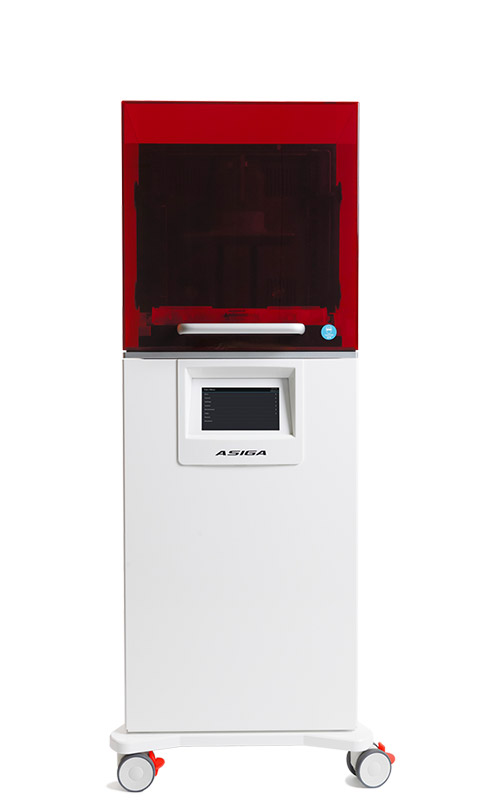
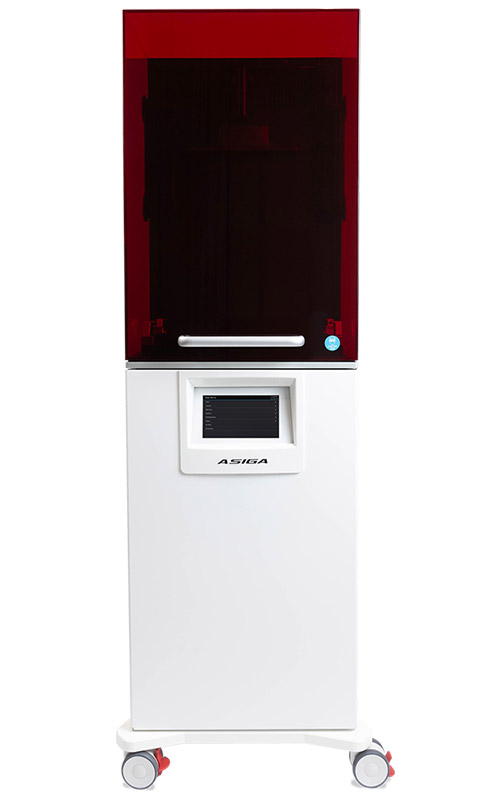
Innovative Dental of Springfield, Missouri and Rheostat Dental Laboratory, led by Marithe Baclagon, CDT, has established a reputation for adopting best-in-class technology to enhance patient care and lab efficiency. As a busy, high-quality lab, our primary 3D printing platform is the Asiga Max UV, valued for its consistent dimensional accuracy—a critical requirement for perfectly fitting full-arch occlusal splints and night guards. Our lab has consistently achieved smooth, glossy nightguards for patients without the extensive labor involved. Marithe specializes in producing high quality full arch restorations and appliances for their patients.
Traditionally, our lab achieves and fabricates smooth, glossy nightguards for all patients with the use of the ULTRAGLOSS Lift Tray without the extensive labor involved- this saves on cost, as well as time.
I believe we’ve successfully mastered the digital design and print phases, consistently producing robust and precise appliances. However, like many labs utilizing additive manufacturing, we encountered a significant production bottleneck in the final finishing stage.
The first challenge.
The manual polishing time sink
The quality standard at Innovative Dental/Rheostat Dental Laboratory requires every splint to be ultra-smooth, accurate, and possess a high-gloss finish for optimal aesthetics, hygiene, and patient comfort.The Traditional Universal Tray provided a matte finish which resulted in extensive post-processing techniques.
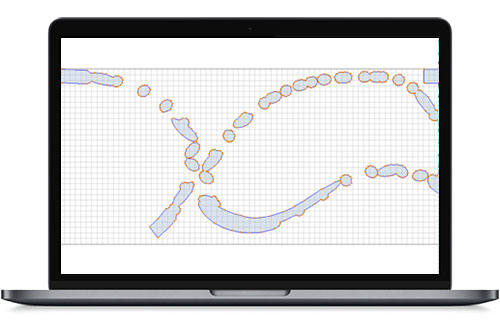
The ULTRAGLOSS Tray provided a shiny finish, but many supports in order to achieve optimum prints. Some additional working time was necessary to gain a high-gloss finish. Sometimes support placement was compromised to allow print accuracy and aesthetics.
The conventional post-processing workflow for a printed splint involved:
Washing
Removing uncured resin.
Support Removal & pumice
Manual removal of support structures and extensive pumicing to eliminate visible layer lines.
Polishing
Using multiple steps of pumice and polishing compounds to achieve a glass-like shine.
Final Cure
Post-curing the appliance.
This manual sequence presented several problems:
Labor Intensive
Technicians were spending an estimated 15 to 20 minutes per splint solely on pumicing and polishing, consuming skilled labor hours that could be dedicated to design or quality control.
Consistency Issues
The quality of the final gloss relied entirely on the technician’s manual technique, which could lead to inconsistencies across different splint designs and technicians.
Surface Quality
Even the best manual polish risked leaving microscopic porosity or micro-roughness, potentially compromising the splint’s hygienic properties.
We needed a solution that could automate the finishing process to match the efficiency and repeatability of Asiga printing technology.

The second challenge.
Abrasive materials and supports
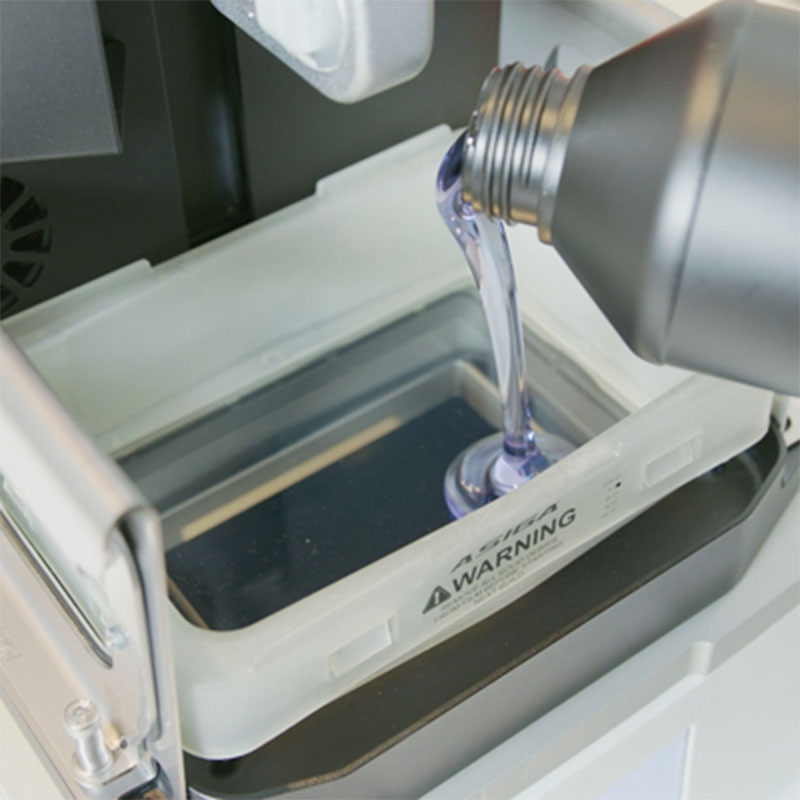
For years, we’ve used the standard resin trays in our Asiga machines, both Universal and Standard UltraGLOSS. But I’ve noticed that some of the splint materials can be quite abrasive and sticky on the resin tray film. These sticky materials could potentially cause damage to the tray, leading to waste. In addition, this issue became magnified when we printed the sticky resins on supports. I needed a solution to this, and Asiga delivered with the UltraGLOSS Lift resin trays.
The solution.
UltraGLOSS LIFT Tray Technology
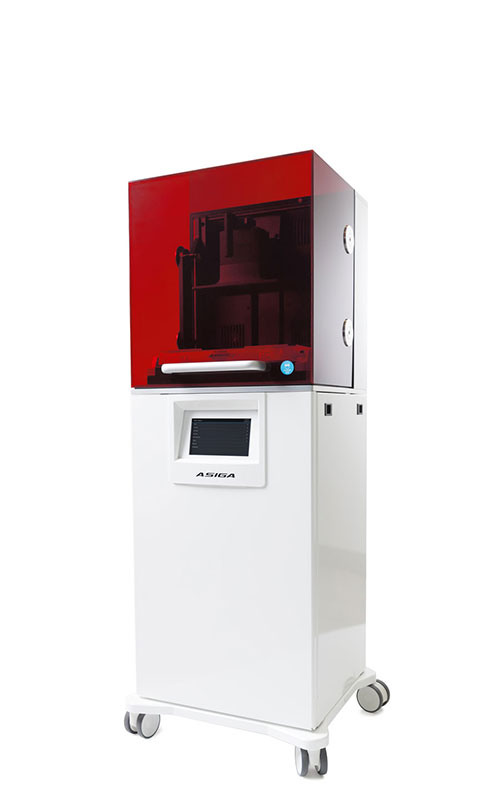
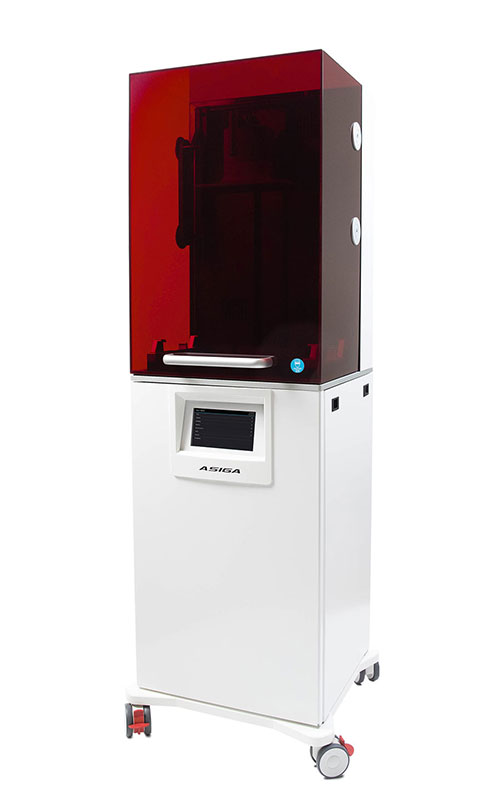
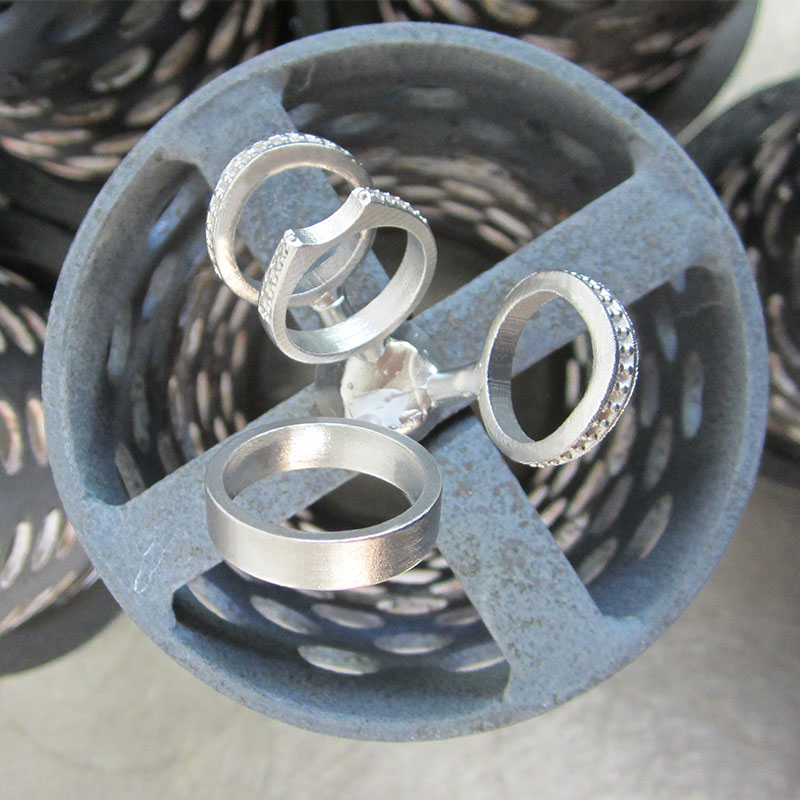
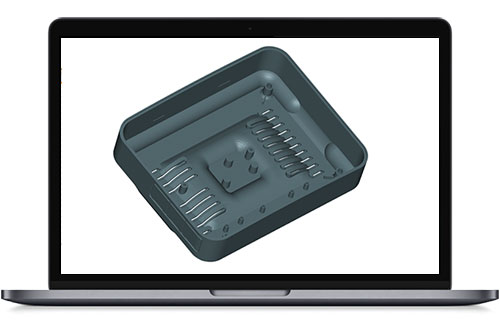
The solution involved the strategic integration of UltraGLOSS LIFT trays into the standard post-cure protocol. The Asiga ULTRAGLOSS LIFT tray was introduced to the Asiga Ecosystem. Its newly formulated optical properties allow for 3D Printing appliances and other files with a mirror-like, fully glossy surface directly off the printer. No need for the finishing work after the print.
Implementation Steps:
Accurate Printing
The splint is printed using a high-quality, biocompatible resin on the Asiga platform.
Washing & Drying
The splint is thoroughly cleaned with 99% IPA and dried after printing with compressed air and shop towels- standard protocols. We pre-process the cure at 1000 flashes on each side.
Automated Finishing (The LIFT)
Instead of proceeding to manual smoothing and polishing, the splint remains glass-clear as a result of the UltraGLOSS LIFT tray.
Final Cure
We flash at 500 with Nitrogen on the final cure.
The Technological Advantage
The UltraGLOSS LIFT tray maintains a layer of liquid resin in the bottom of the vat, which allows each layer to peel smoothly and quickly. This process effectively polymerizes and densifies the surface layer of the resin, eliminating the tacky inhibition layer and simultaneously smoothing out microscopic layer lines to produce a natural, high-gloss finish.

The results.
Quantifiable efficiency and clinical improvement
The transition to the integrated Asiga and UltraGLOSS Lift workflow yielded immediate and measurable results for Innovative Dental/Rheostat Dental Laboratory:
The time savings allowed the lab to significantly increase its production capacity for splints without hiring additional labor, lowering the cost-per-unit for fabrication.
Clinical Impact (Quality & Patient Experience)
Superior Hygiene
The surface density is maximized during the oxygen-inhibited cure, resulting in a finish that is less porous, more resistant to staining, and easier for the patient to keep clean.
Enhanced Comfort
The mirror-like gloss and smooth surface drastically improve patient wearability and compliance compared to manually finished appliances.
Reduced Chair Time
The dimensional accuracy provided by the Asiga, combined with the finished surface from the UltraGLOSS Lift, means the splints seat passively and require minimal, if any, occlusal adjustments, maximizing doctor and assistant efficiency.
Client Feedback
With the ULTRAGLOSS tray, we’re delivering occlusal appliances that look incredible right off the build platform. It streamlined our workflow and impressed our clients. Incorporating accurate and snug/passive fits enabled our hygienists to show and explain excellent results to patients about the increase of quality. This allowed a patient increase in acceptance for occlusal splints.

The conclusion.
A new standard in digital efficiency
Our experience at Innovative Dental/Rheostat Dental Laboratory demonstrates that true digital efficiency extends beyond the printing stage. By pairing the industrial precision of the Asiga 3D printer with the automated finishing power of the UltraGLOSS Lift system, we are able to successfully eliminate the most significant time sink in splint production, while maintaining the highest quality surface finish and eliminating tray damage due to abrasive supports.
The outcome is a highly predictable, repeatable, and an economically sound workflow that not only saves skilled labor hours but also delivers a clinically and aesthetically superior appliance, setting a new, higher standard for splint fabrication in digital dentistry.

About the Author

Marithe, aka: “InnovativeToothFairy” works at a high volume 30,000sq ft general and cosmetic dental practice in Springfield, Missouri at a fully digital in-house laboratory where she specializes in all fixed hybrid restorations, as well as 3D printing various appliances.
Marithe Baclagon is a Certified Dental Technician as well as a technologist, and graduated with her Master’s Degree in Instructional Design and Technology. She was a ceramist and a digital technician for a family owned lab for 8 years, then moved to dental education for 3.5 years at VCU School of Dentistry where she helped teach the lab side of digital dentistry. Marithe then found her passion for full arch dentistry and left to work in private practice as an in-house lab technician. Marithe worked as a lab manager at Full Implant Choice as well as a certified instructor for the Atlantic Implant Institute teaching about same day immediate load all-on-X surgery with implementation of full facial scanning and photogrammetry. Then, she got an even more amazing opportunity to go work for a cutting edge, one-of-a-kind dental practice. Innovative Dental sees 160 patients a day with an intake of 100 new patients a week.
Share: