Flexible partials to retainers – the power of an open material 3D printer
By Dr. Andrew Ip
Introduction
3D printing in dental practice is becoming increasingly popular due to its relatively low entry barrier and excellent versatility. Improvements in hardware and software have allowed clinicians to design and manufacture custom-made and personalised medical devices and appliances in-house in rapid turnover beyond those achievable with traditional subtractive manufacturing (milling)1. Applications include but are not limited to provisional and definitive fixed restorations, removable dentures, surgical guides, custom trays, clear aligners, scaffolds for hard and soft tissue regeneration, occlusal splints, etc.
At the core of the adoption of dental CAD-CAM is the hope that users can achieve increased efficiency and reduce financial burden without sacrificing patient outcomes. In this article, a number of novel techniques to provisionalise partially edentulous spaces will be explored. While the clinical situations that will be described are rather straight-forward, how they will be addressed will be quite novel for many users.
Case 1
The Missing Molar
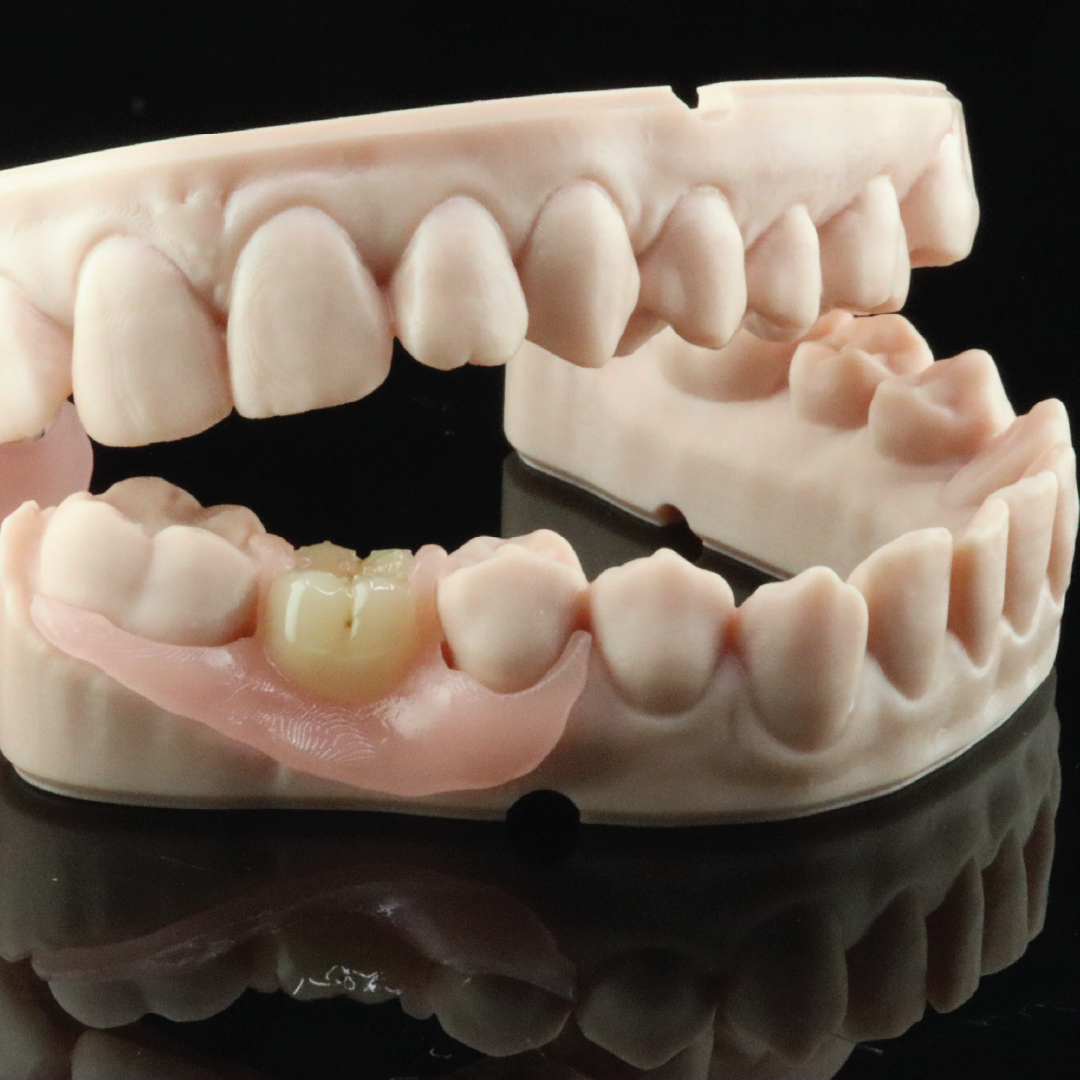
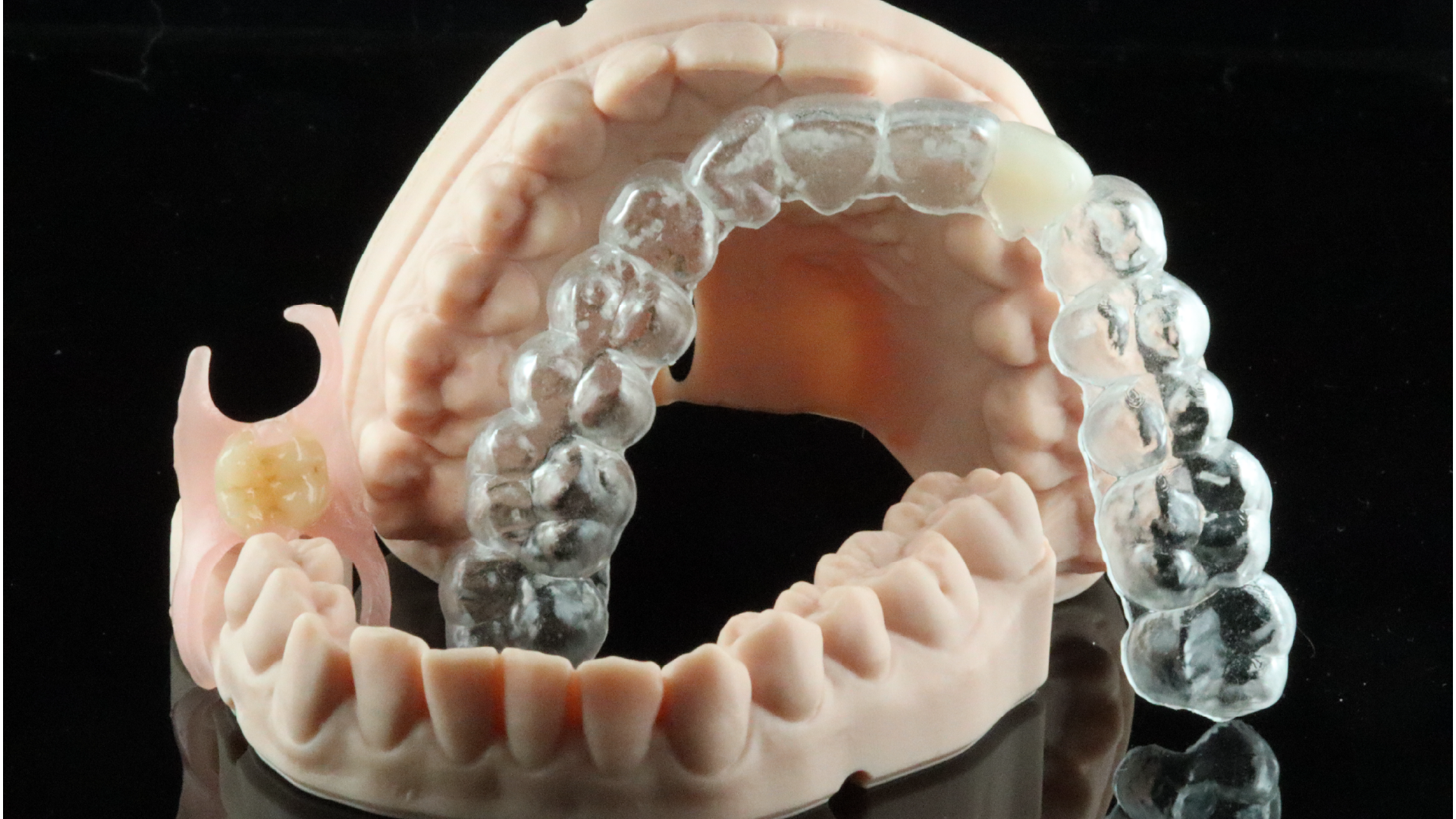
In this case a 25-year-old female was missing her lower right first molar (#36). Following assessment, it was concluded that there was sufficient hard and soft tissue quality and quantity for endosseous implant placement. Implant treatment was planned but the patient requested a temporary replacement during the healing process. A removable flexible partial denture was offered to the patient as an interim provisional appliance.
While there is certainly a paucity in the scientific data on 3D printed flexible denture materials, there is emerging evidence of their superior surface hardness2, impact strength2 and flexural strength3 compared to their traditional heat-activated compression-molded counterparts. It is certainly an interesting field to keep watch of as newer products enter the market.
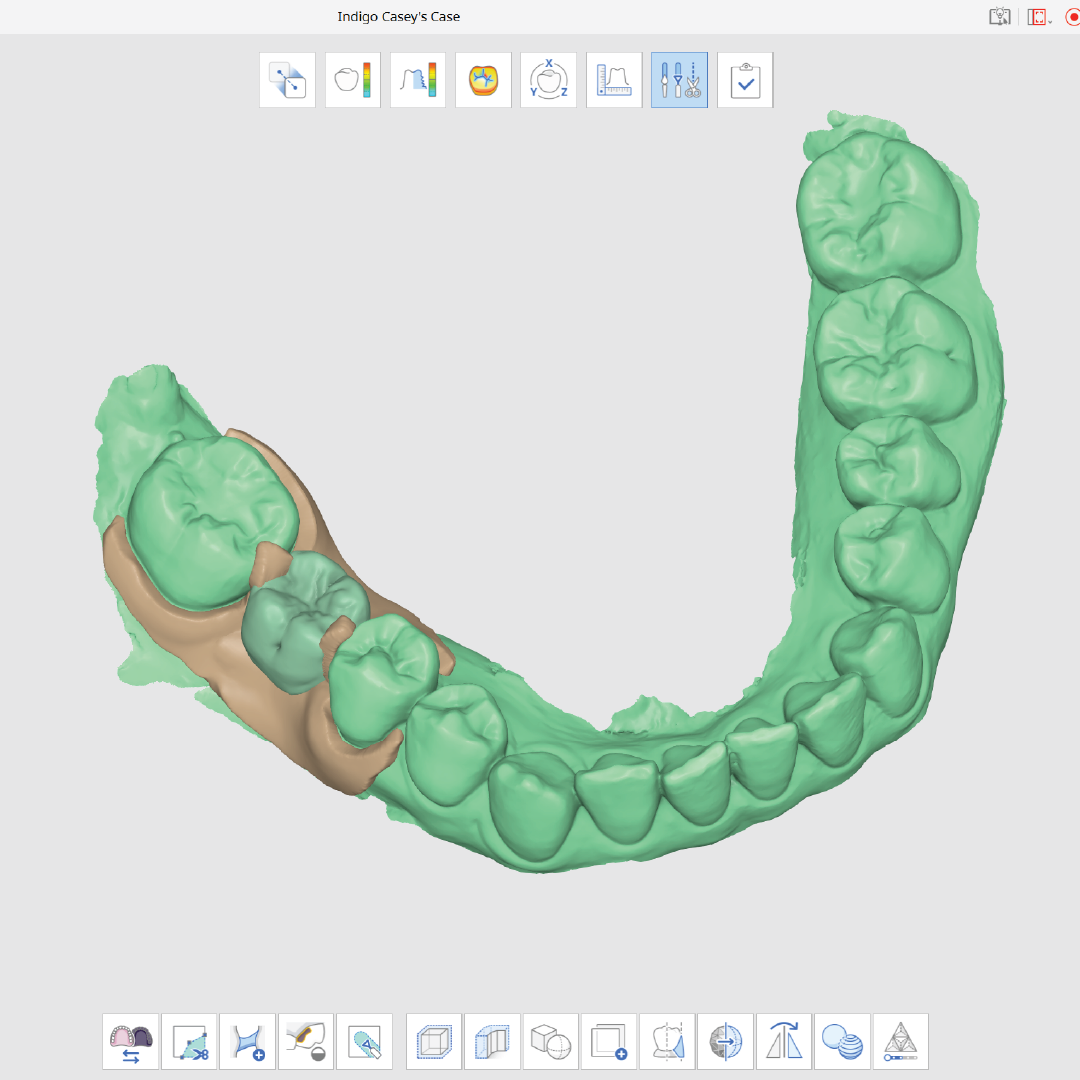
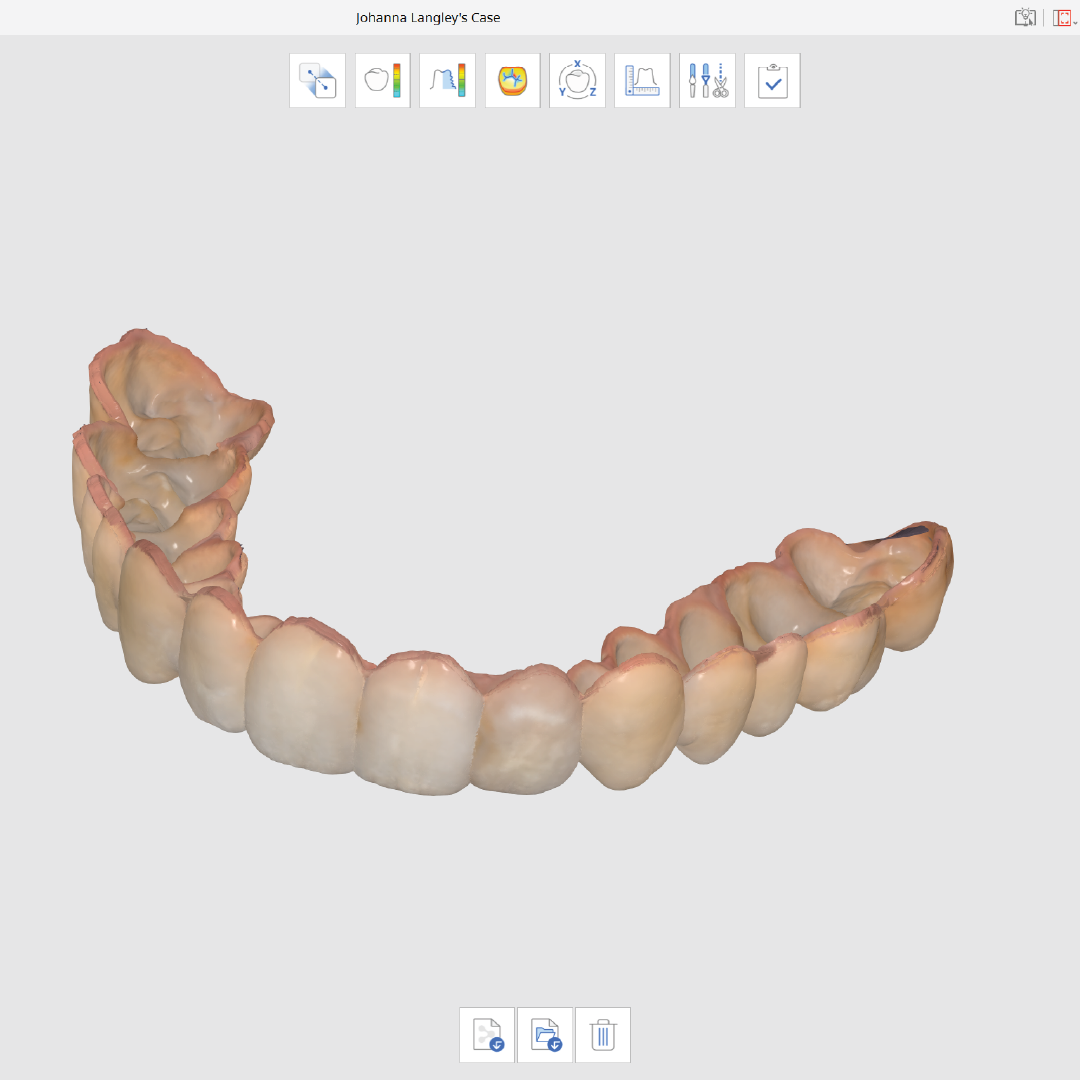
The denture base and teeth were designed separately using the Medit Design application, a generic yet versatile program. Anatomy of the missing tooth was generated by mirror-imaging and resizing the contralateral molar.
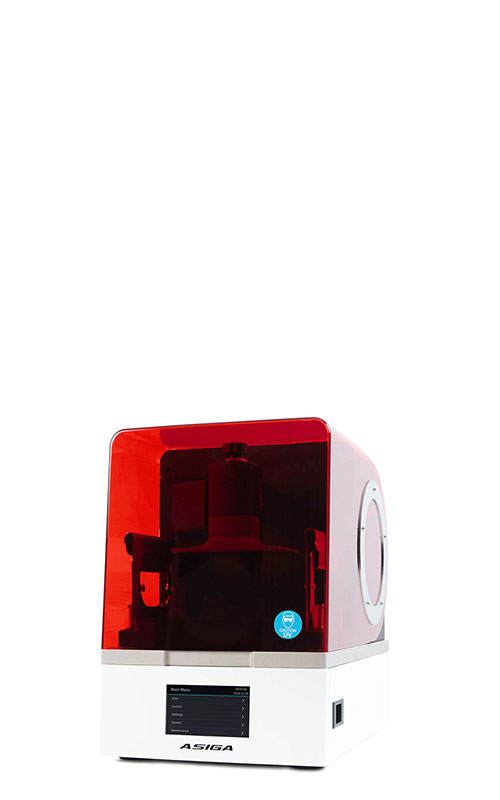
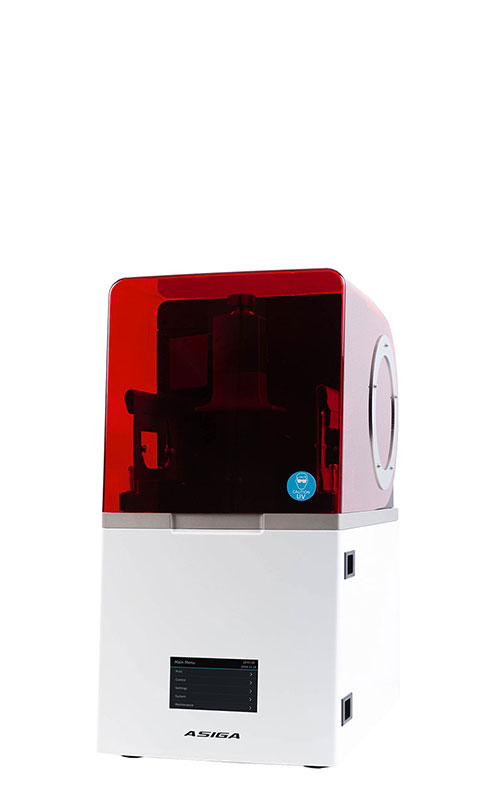
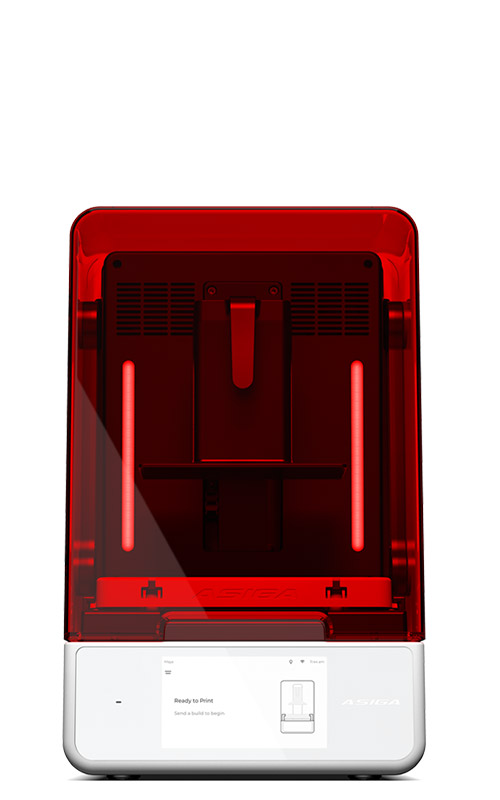
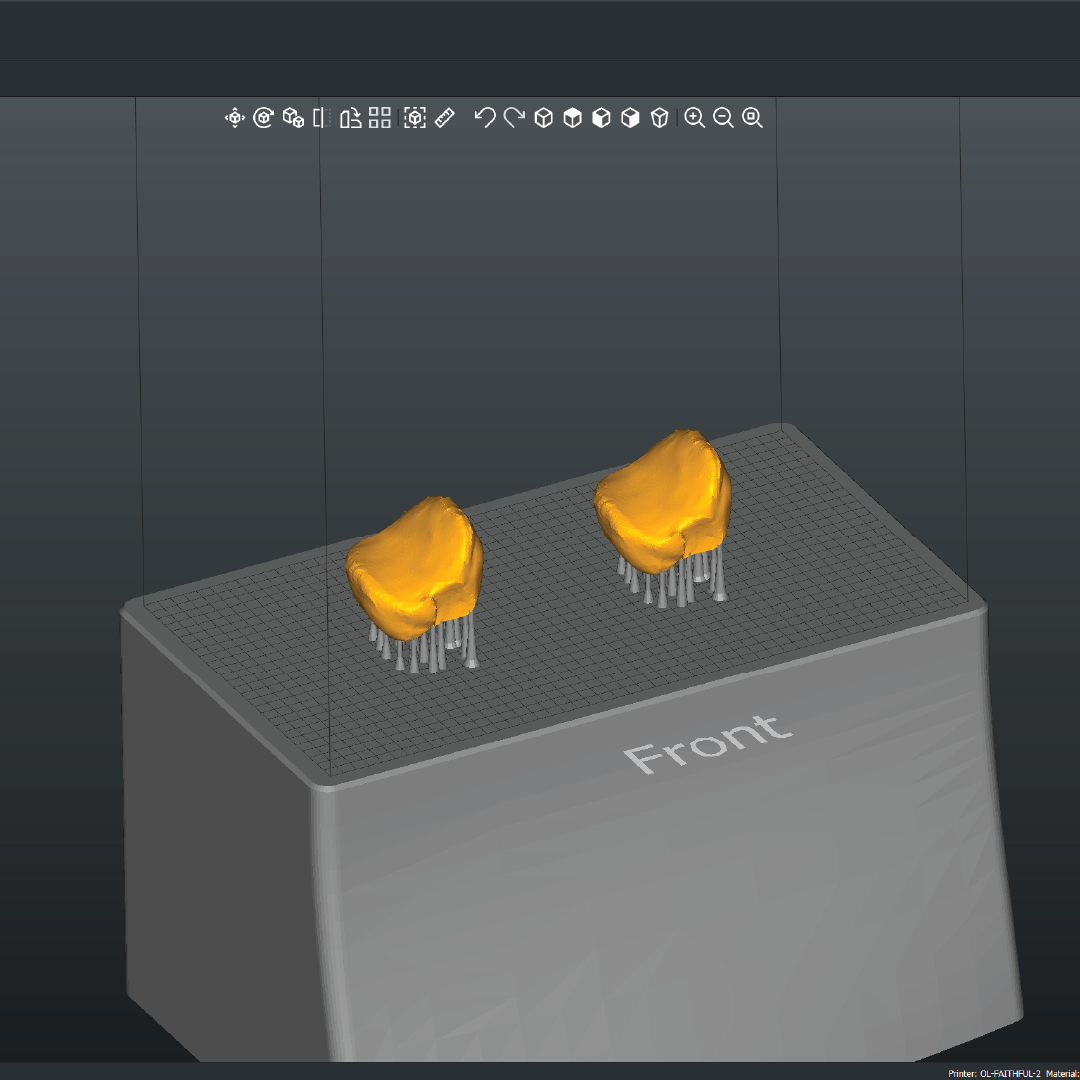
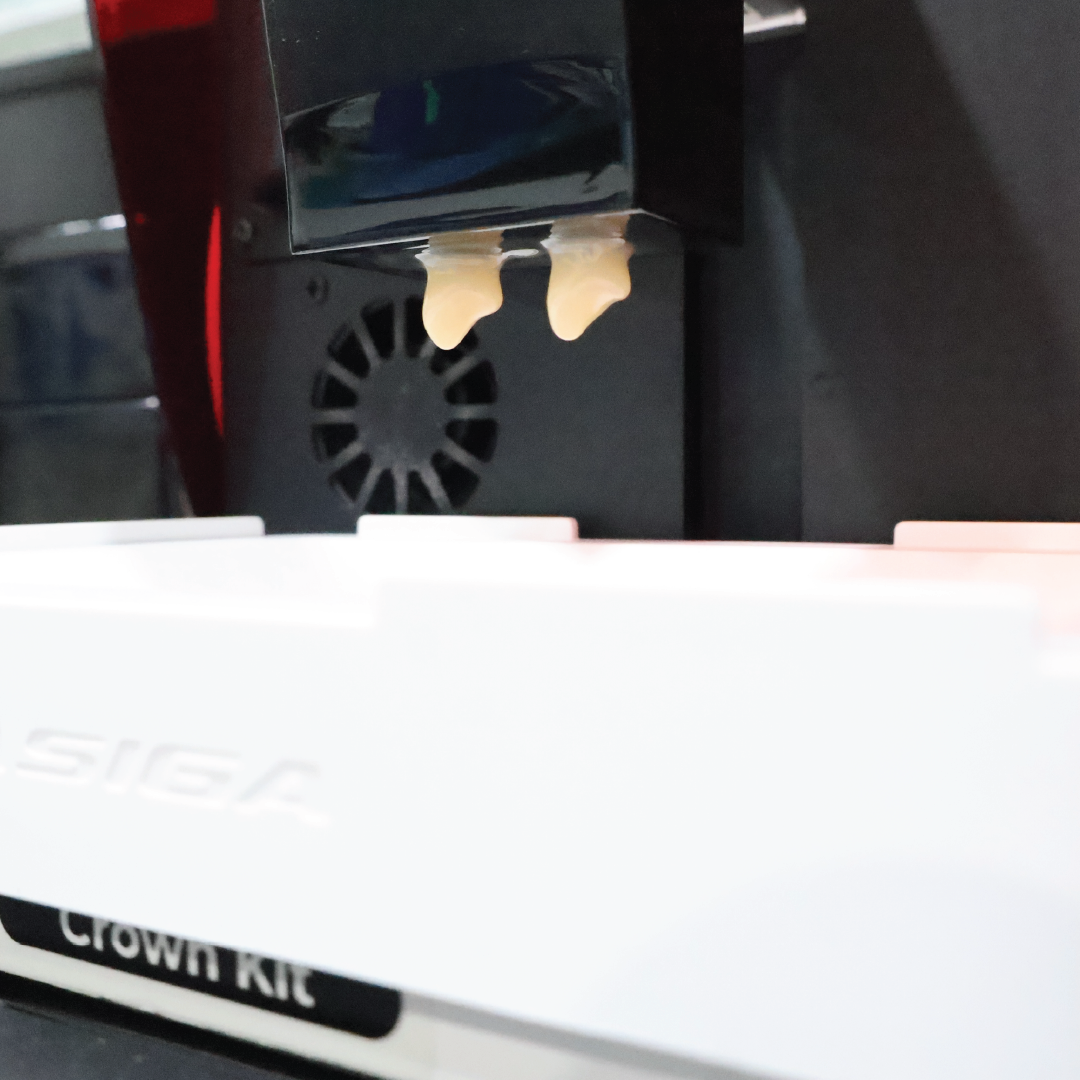
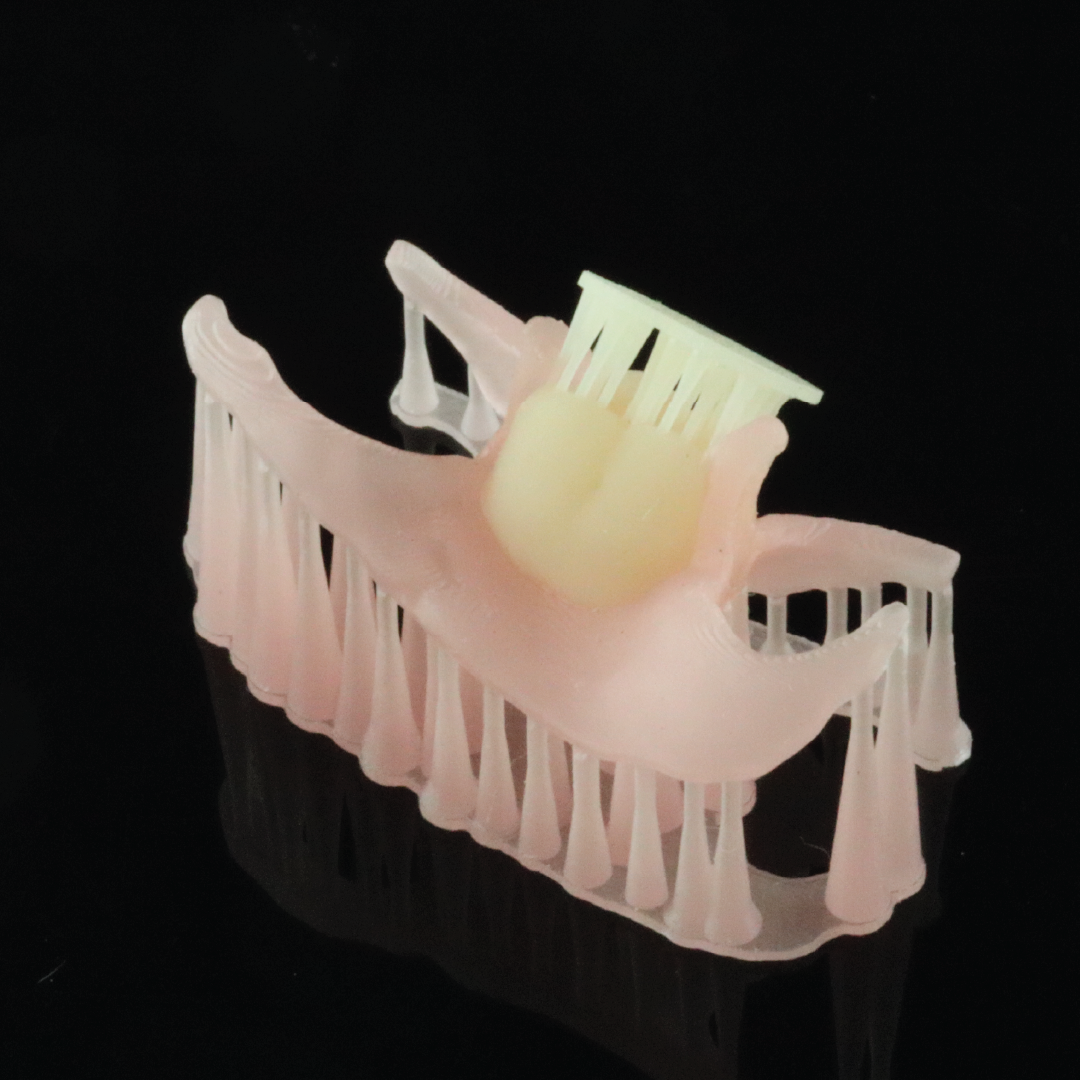
The denture tooth was printed out of Detax DX Crown – medical resin cleared for printing of definitive single-unit restorations. This was achieved by using the Asiga Max 2 Crown Kit.
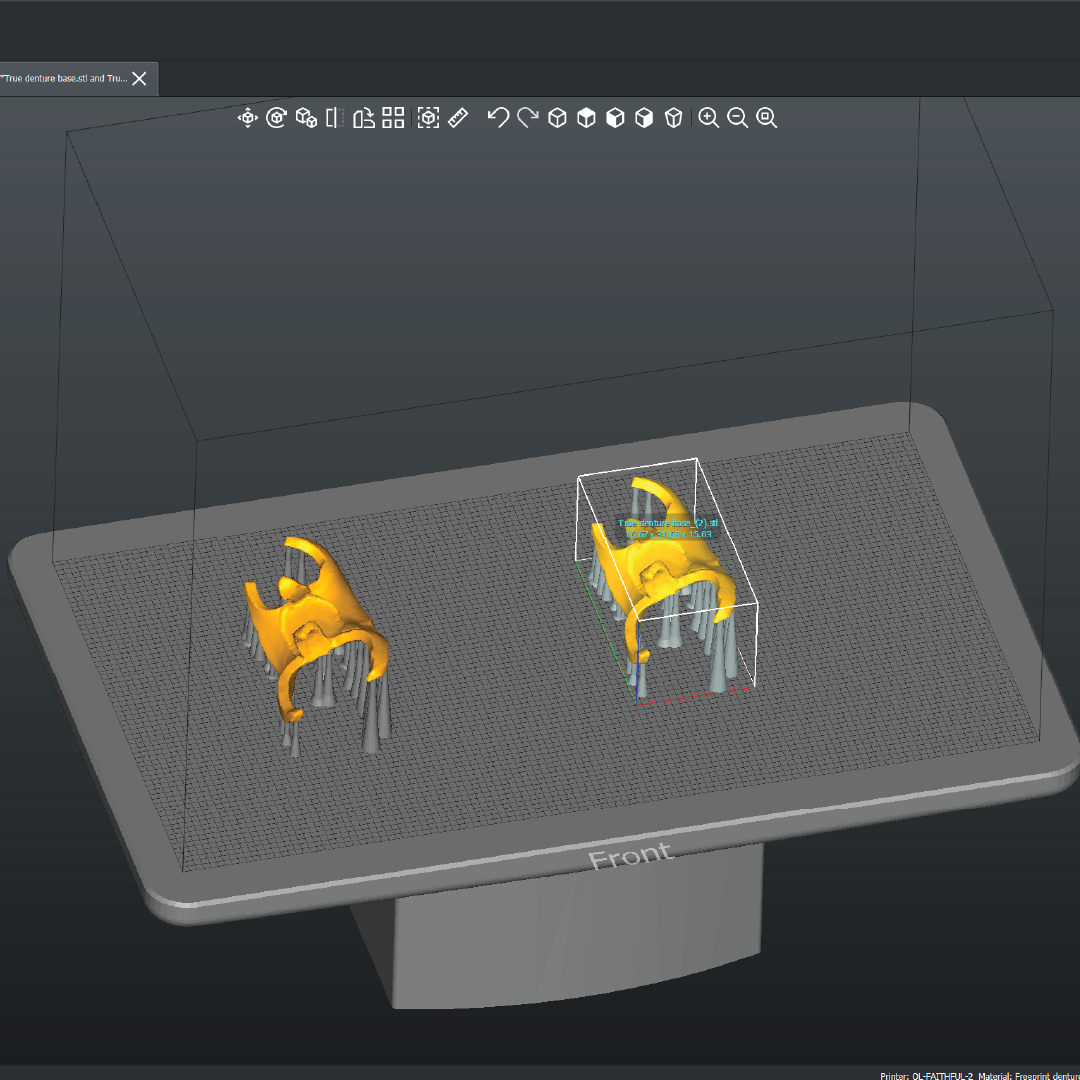
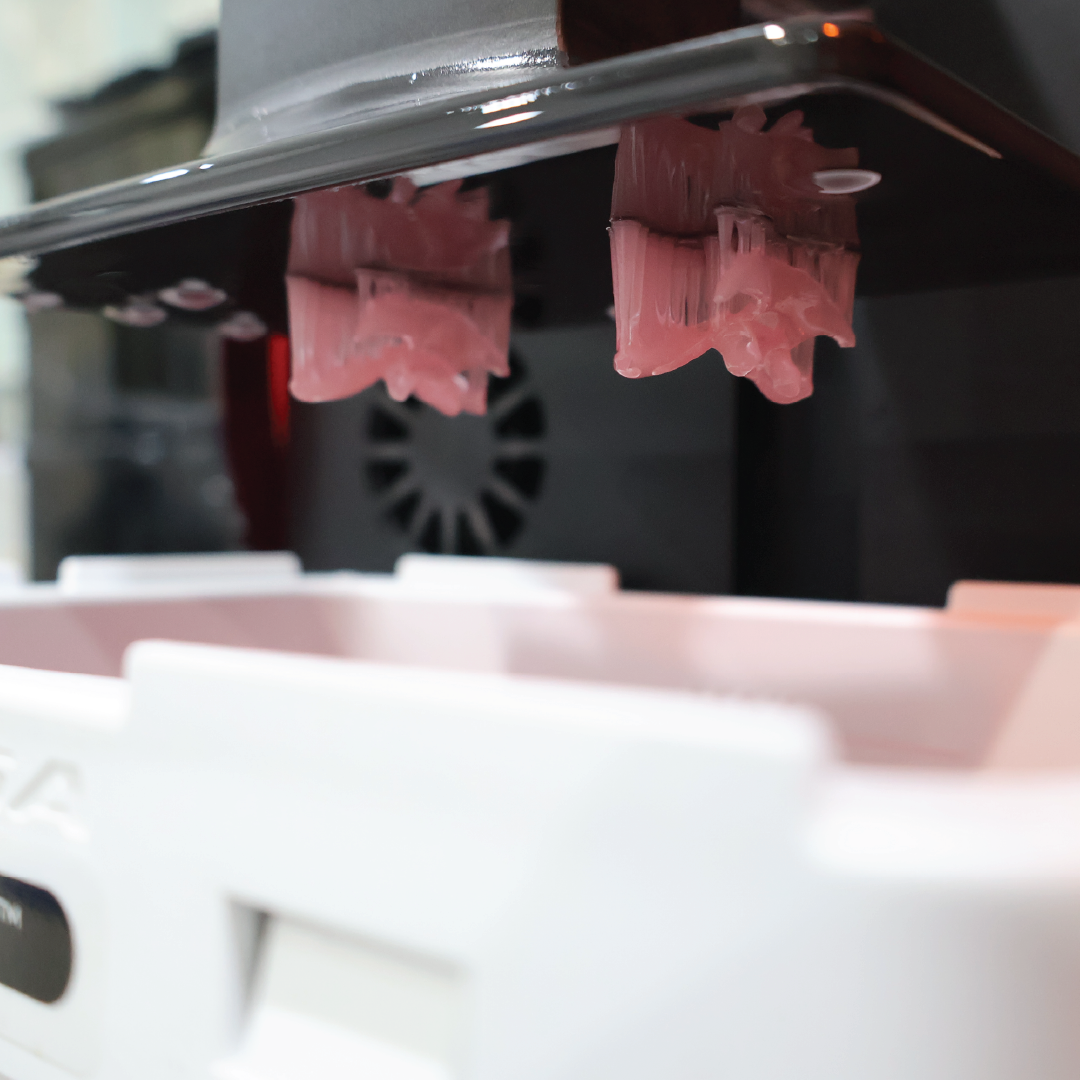
The denture base was printed out of Detax DX Denture Flex using a Universal build tray.
It is well-known that prolonged exposure to isopropyl alcohol (IPA) during cleaning can lead to deterioration of certain physical properties4 of ceramic-filled resins and so an alternative non-IPA-based cleaner was used (Rodin Universal Resin Cleaner). The denture base and teeth were luted together with a dedicated dual-cured resin resin cement (DeltaMed 3Delta Denture Fix).
Light characterisation was performed with Rodin Palette 2.0 and Rodin Glaze N2-Free prior to complete curing in the Asiga Cure unit.
Case 2
The incisor requiring removal
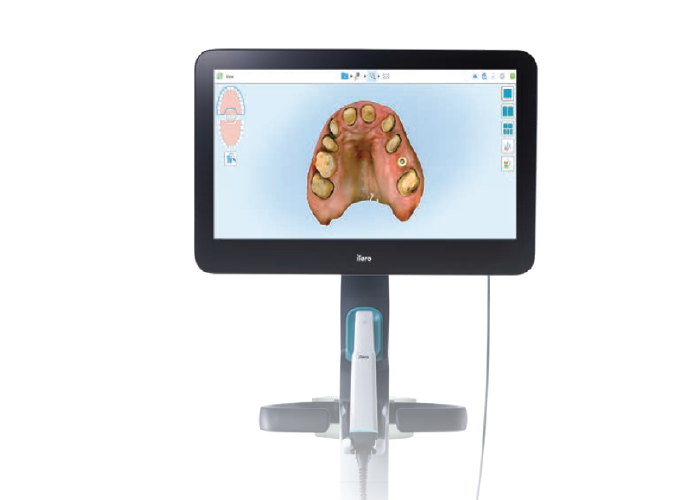
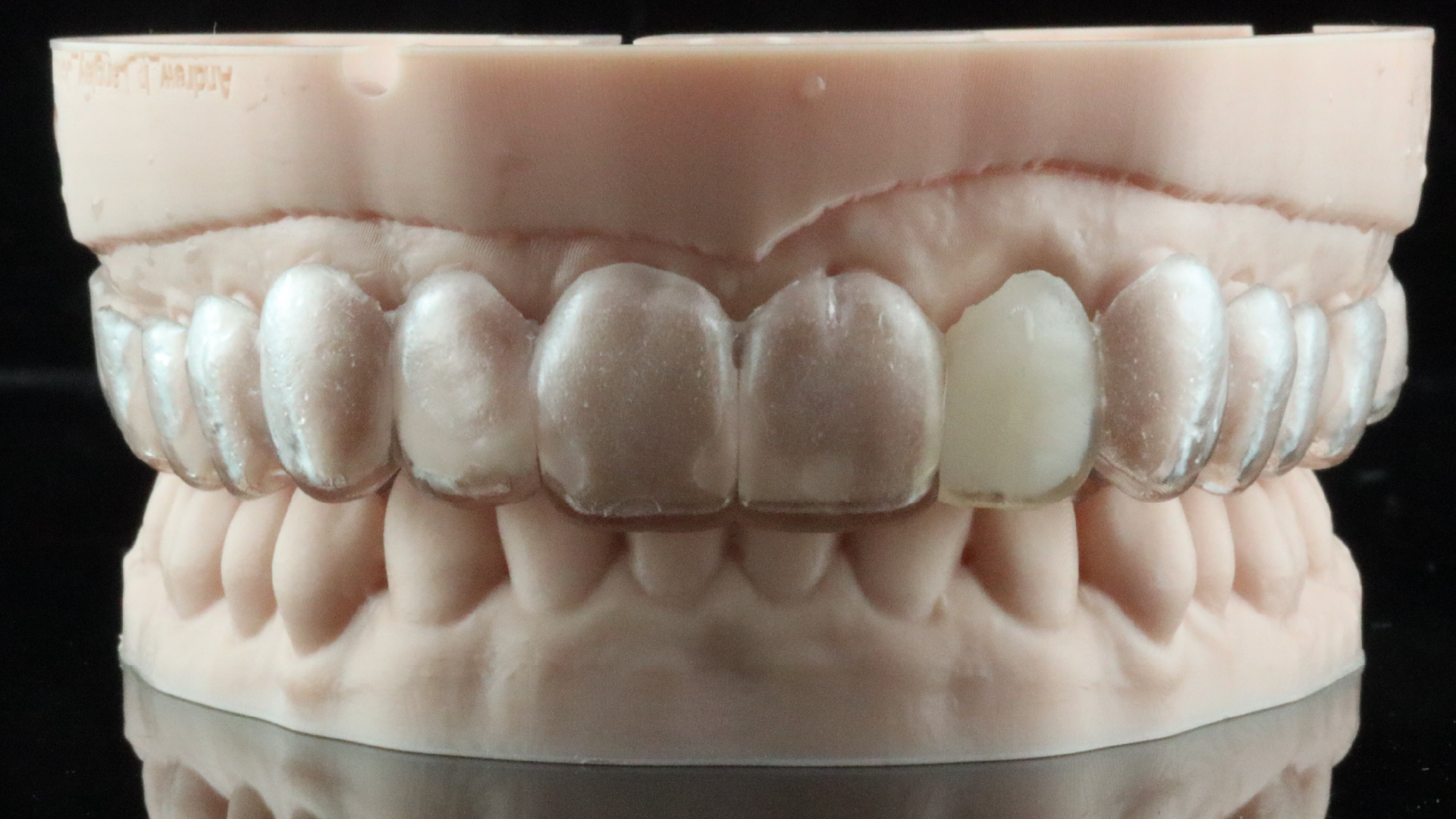
A 38 year-old female patient attended the surgery requesting removal of an upper left lateral incisor which had undergone endodontic therapy which was failing despite multiple attempts at retreatment. Prior to removal and replacement with an endosseous implant, a CBCT scan and intraoral scan were taken. Using the preoperative intraoral scan, a temporary retainer was proposed in the event primary stability could not be achieved with immediate implant placement.
Direct 3D-printed aligners and retainers have gained significant in recent years, due to their shape memory, design flexibility and improved accuracy and trueness over traditional thermoformed counterparts5. However, there is still limited long-term studies on biocompatibility and the potential risk of uncured monomer leakage from 3D printed aligners and retainers6,7.
The provisional retainer was designed once again using the Medit Design application. In offset of 0.1mm was set and the retainer was designed with 0.8mm thickness in mind.
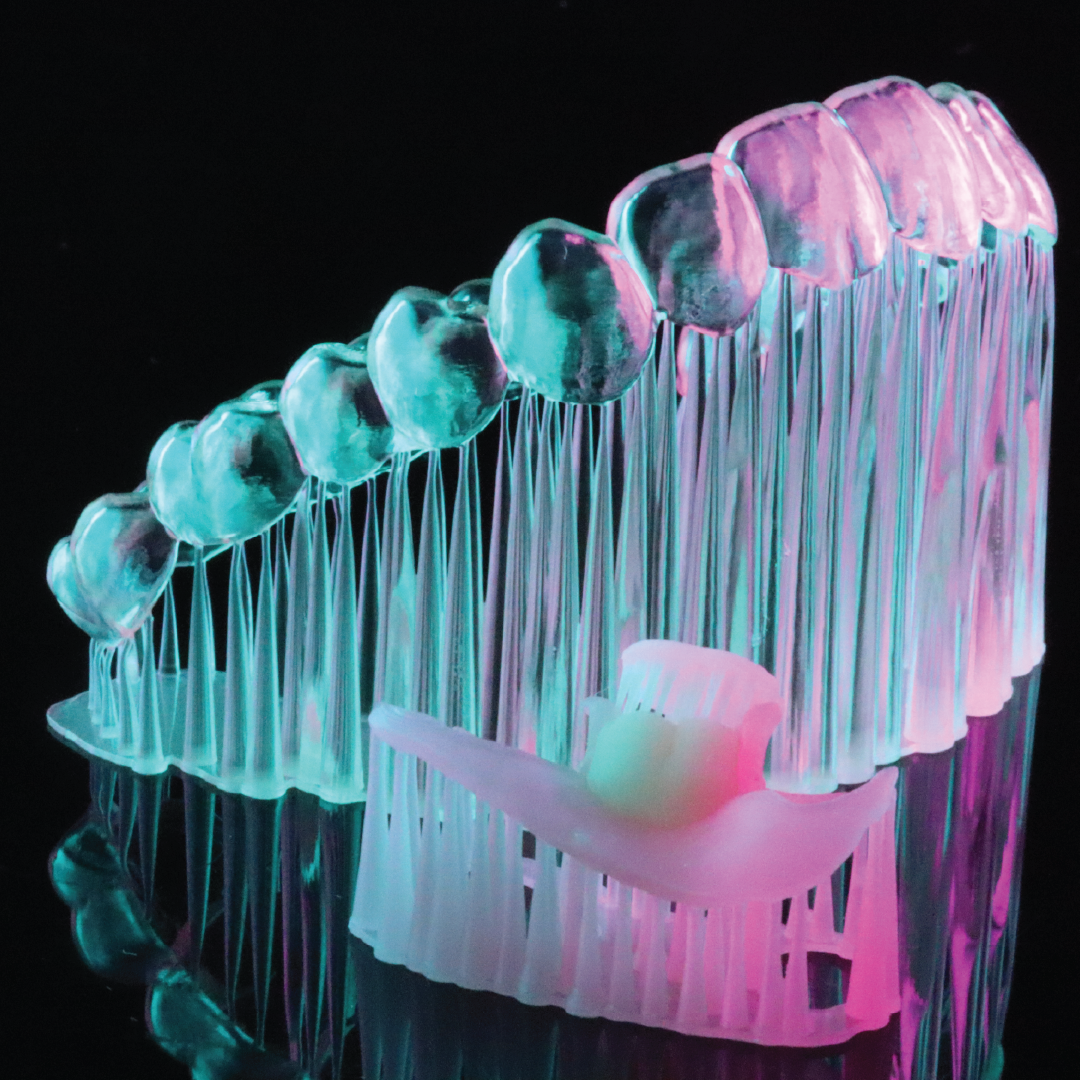
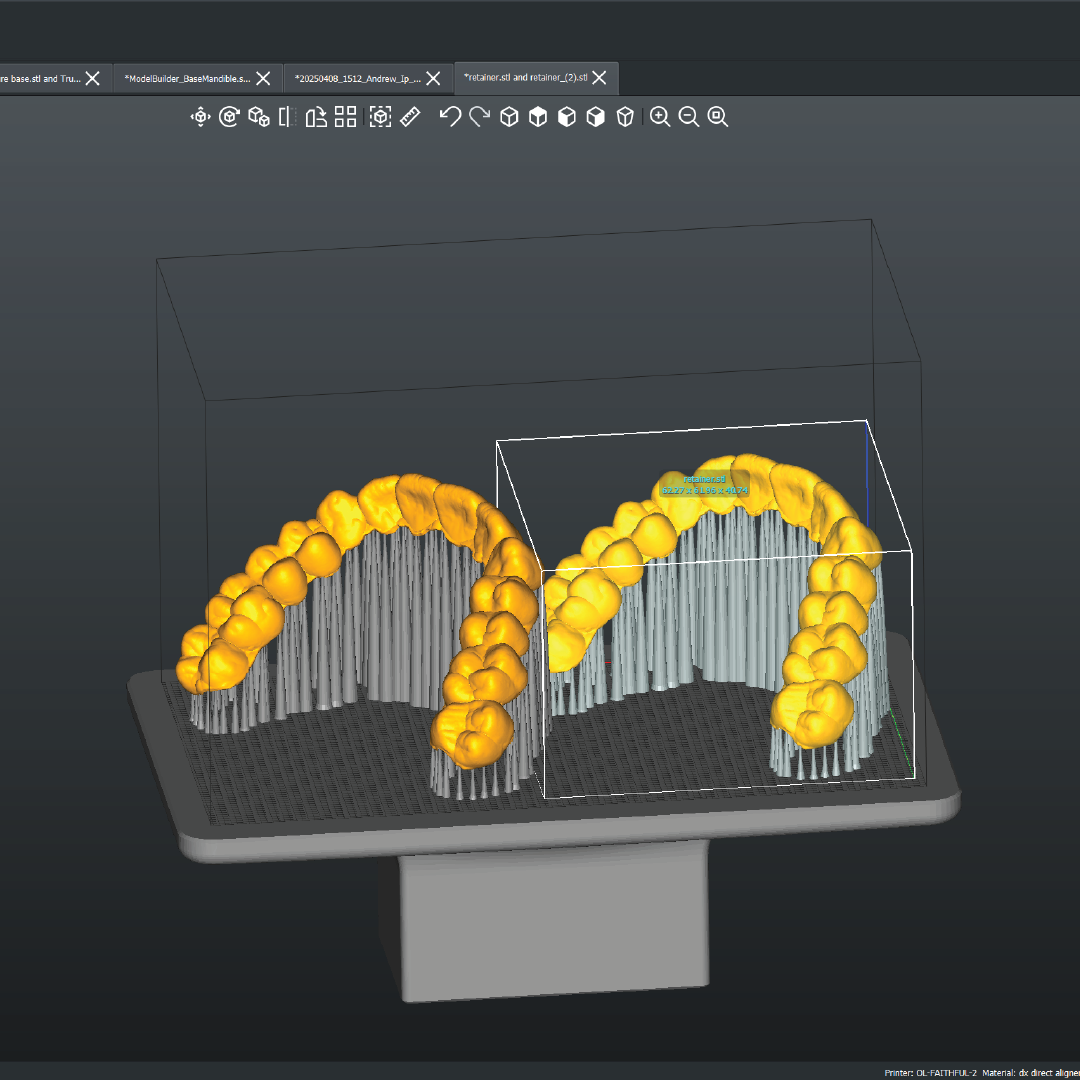
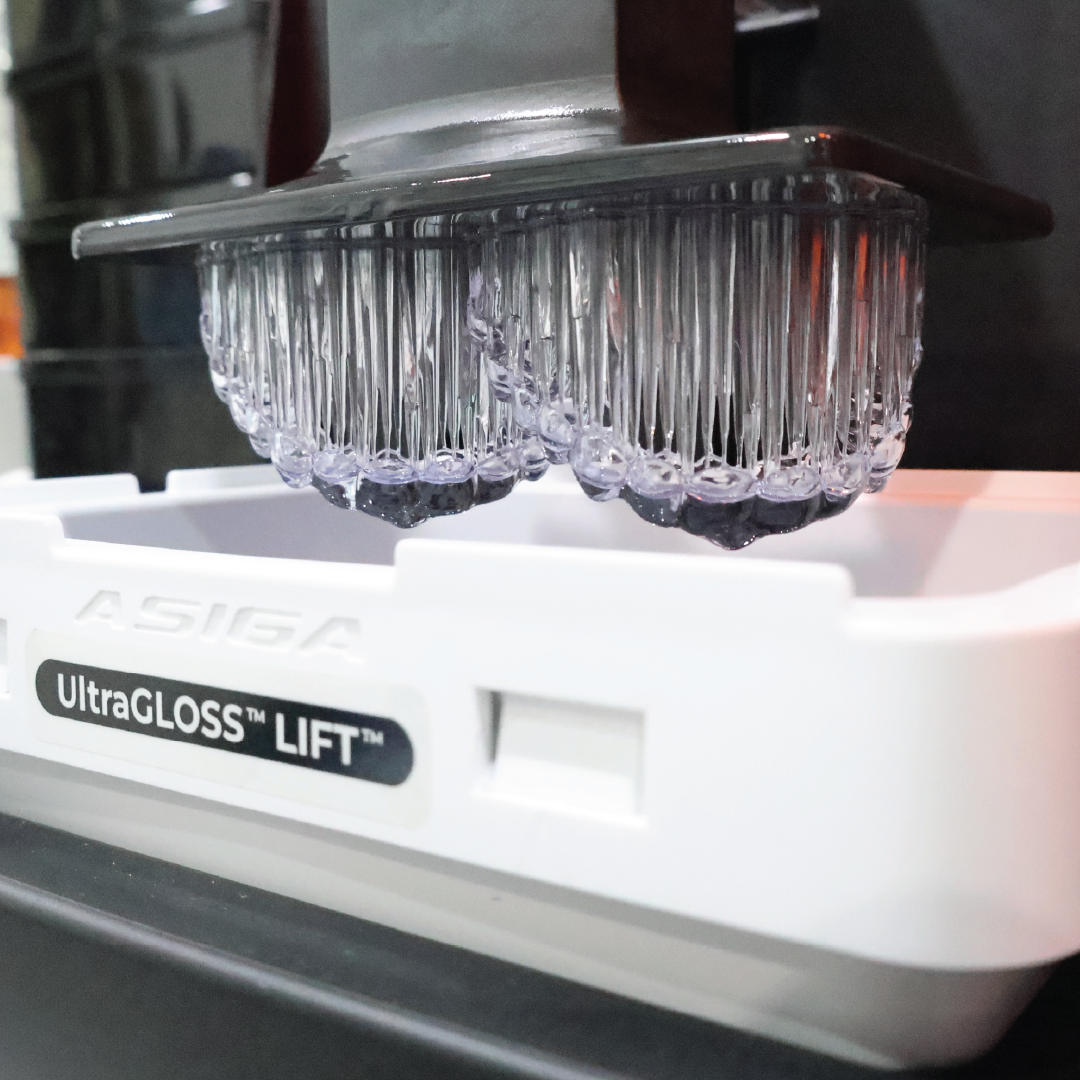
The retainer was printed out of Detax DX Aligner resin – a material cleared for the printing of aligners and retainers. An UltraGLOSS LIFT™ vat was used to improve the clarity of the final print and reduce the amount of post-processing.
The retainer was washed with supports still attached in isopropyl alcohol in an ultrasonic unit prior to final cure in an Otoflash G171-6 under nitrogen as per the manufacturer’s instructions.
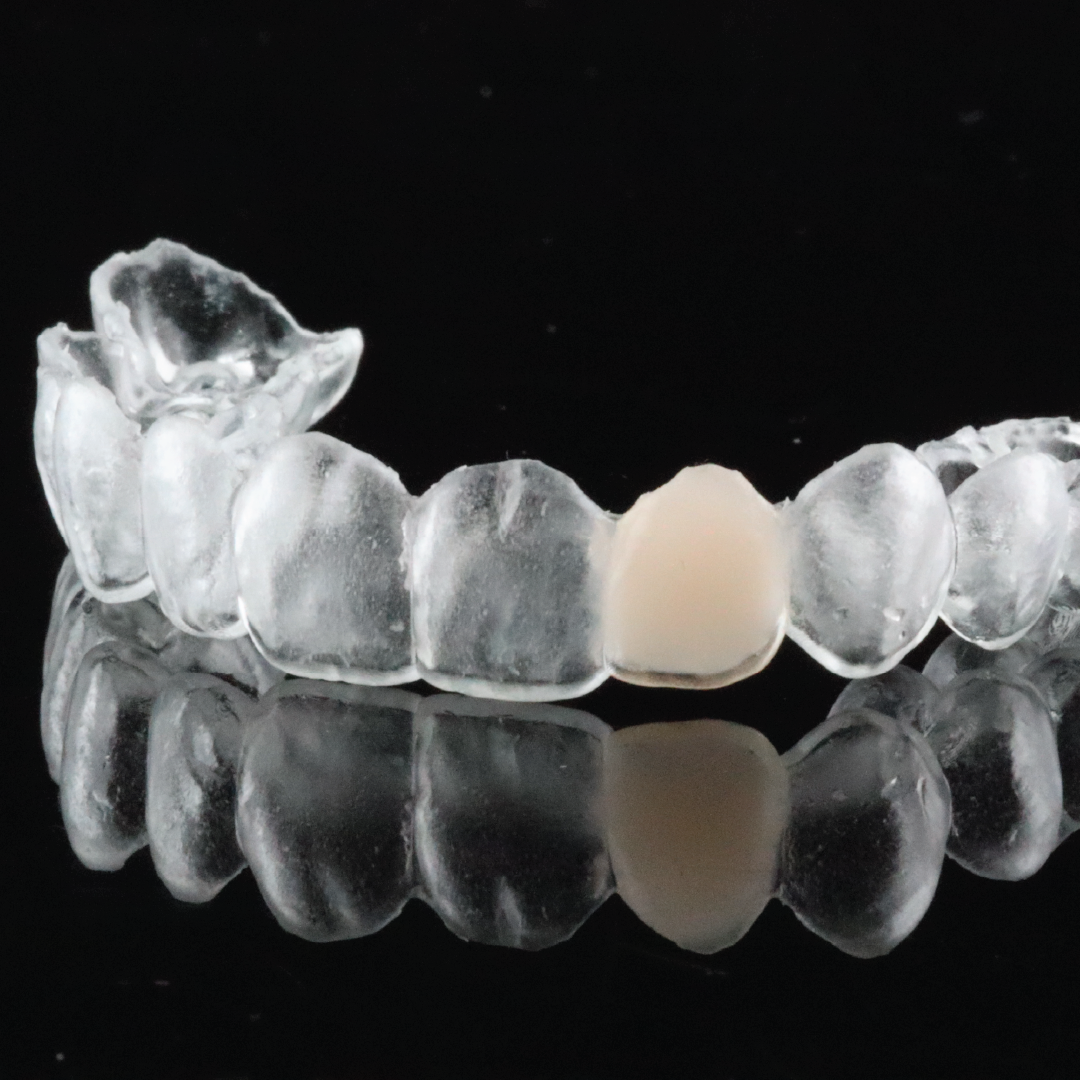
After definitive curing, the supports were trimmed off clearly with an ultrasonic blade and the borders were polished. The intaglio of retainer where the tooth was to be extracted was lined thinly with Rodin Glaze N2-Free prior to direct application of a composite resin pontic.
Conclusion
It is important to note that while materials and software have advanced, the principles of clinical dentistry and replacement of teeth have not. What has changed is the methodology used to achieve certain goals.
There is no doubt that traditional analogue techniques could have been employed in these two clinical situations – however basic design using simple CAD software and 3D printing in-house have been effectively used to produce satisfactory provisional restorations. It will be no doubt interesting to see how further improvements in software, hardware and material science will change treatment workflows and patient outcomes.
About the Author
Handy Andy is a Sydney-based private general dentist who presents regularly on dental 3D printing. What started off as a hobby several years ago has now become a full-time passion for Dr Andrew Ip, a Sydney-based general dentist with a special interest in digital dentistry.
His passion has taken him all around the world from the US, Europe, Asia and of course across Australia. He also runs an increasingly popular Youtube channel that showcases easy-to-follow dental design tutorials.
From simple models to printing zirconia, Dr Ip has printed almost all printable dental applications available in the global market and is proud to have operated close to 30 different 3D printers in his career, a number that will inevitably increase.
Dr Ip has been teaching dentists, technicians and their support staff how to integrate additive technologies to their workplaces for several years and is a speaker for several digital dentistry-related companies. His knowledge is based on true hands-on experience. When he’s not designing a surgical guide, printing a splint or polishing a printed crown, you can find him glued to a screen designing printable table organisers or nesting a helmet for his cats in a slicer.”
Share: