









The 3D Printed Prototype – A Restorative Game Changer

By Dr. John Cranham
In the ever-evolving world of restorative dentistry, few innovations have disrupted the way we diagnose, design, and deliver care as profoundly as 3D printing. What began as a laboratory convenience has become one of the most powerful clinical tools available to the modern restorative dentist. At the centre of this transformation is the 3D printed prototype provisional, a precisely designed, digitally manufactured “test drive” for biology, aesthetics and function.
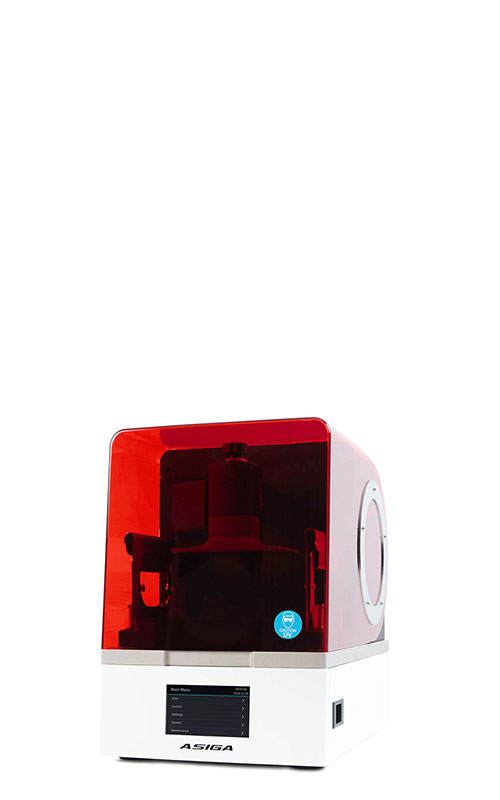
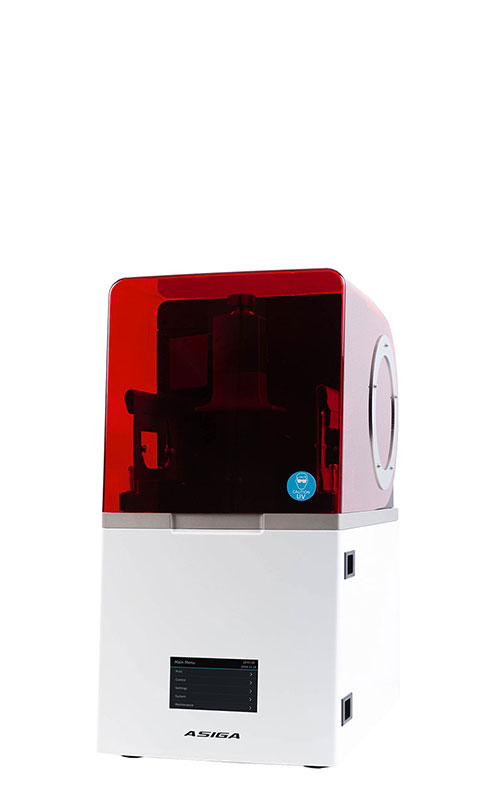
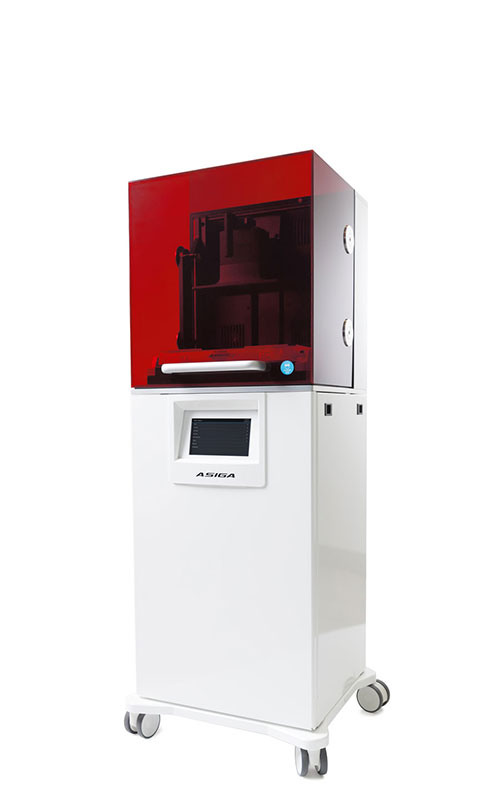
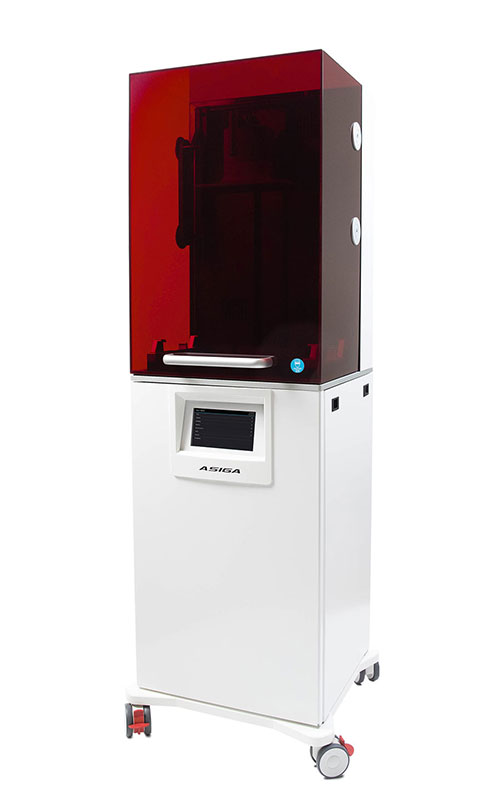
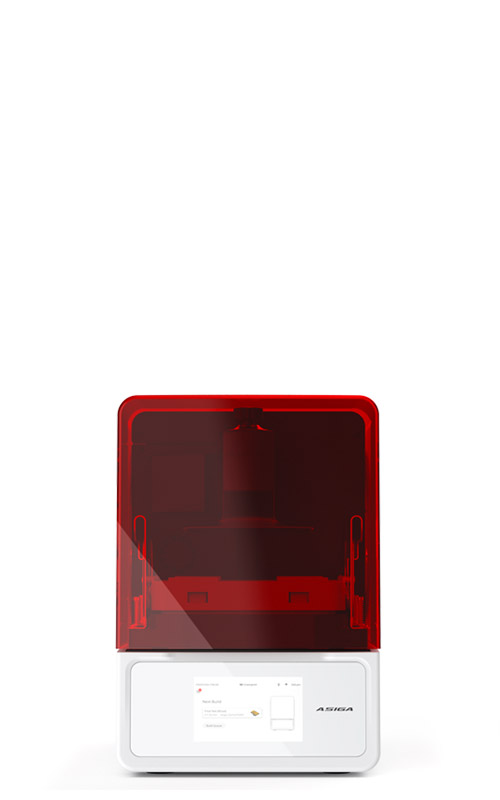
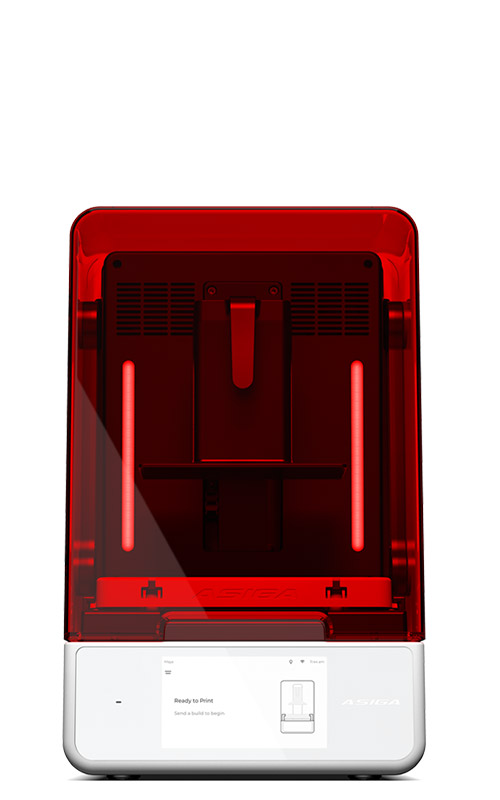
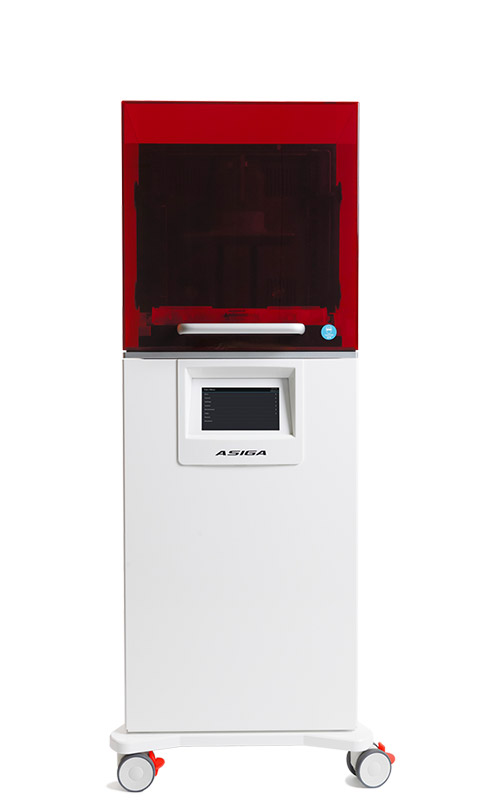
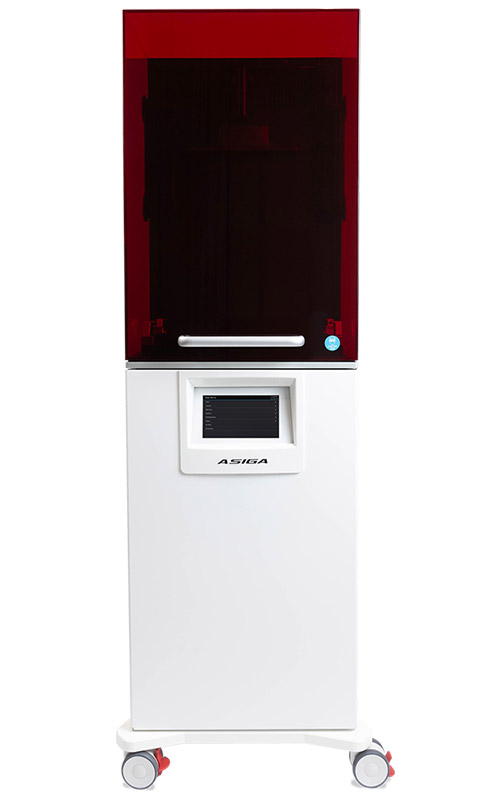
This approach is not about simply making temporaries faster or cheaper. It’s about redefining how we plan, communicate, and validate our restorative designs. By integrating virtual articulation, digital design, and advanced additive manufacturing like Asiga 3D printers, we now have the ability to merge art and science in a way that elevates predictability, efficiency, and patient satisfaction.
The Shift Toward Comprehensive Digital Diagnostics
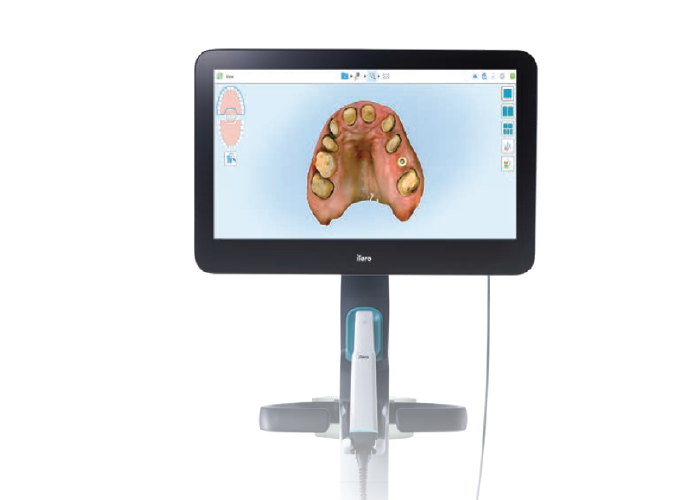
Modern restorative excellence begins with comprehensive data. Gone are the days when we relied solely on impressions, facebows, and hand-articulated casts to approximate a patient’s occlusal dynamics. Today’s digital workflows start with precise intraoral scans, a cone-beam CT, and increasingly, full face photography or a 3D facial scan. This data provides an unprecedented level of anatomical accuracy, from bone and soft tissue to facial proportions and
aesthetic planes. When integrated in digital design software like 3Shape Dental System or Exocad, these data sets allow the clinician and technician to virtually articulate the case, aligning it to the patient’s condylar position (CR) or maximum intercuspation, and to visualise function dynamically before a bur ever touches a tooth. The virtual environment also enables real-time simulation of mandibular movement. The design team can check for anterior guidance, crossover pathways, and estimate the envelope of function. From there, we can create a digital design

From Virtual Design to Physical Reality
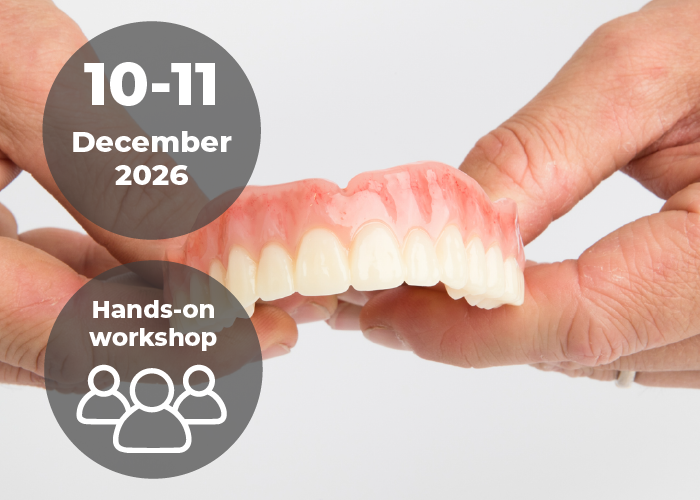
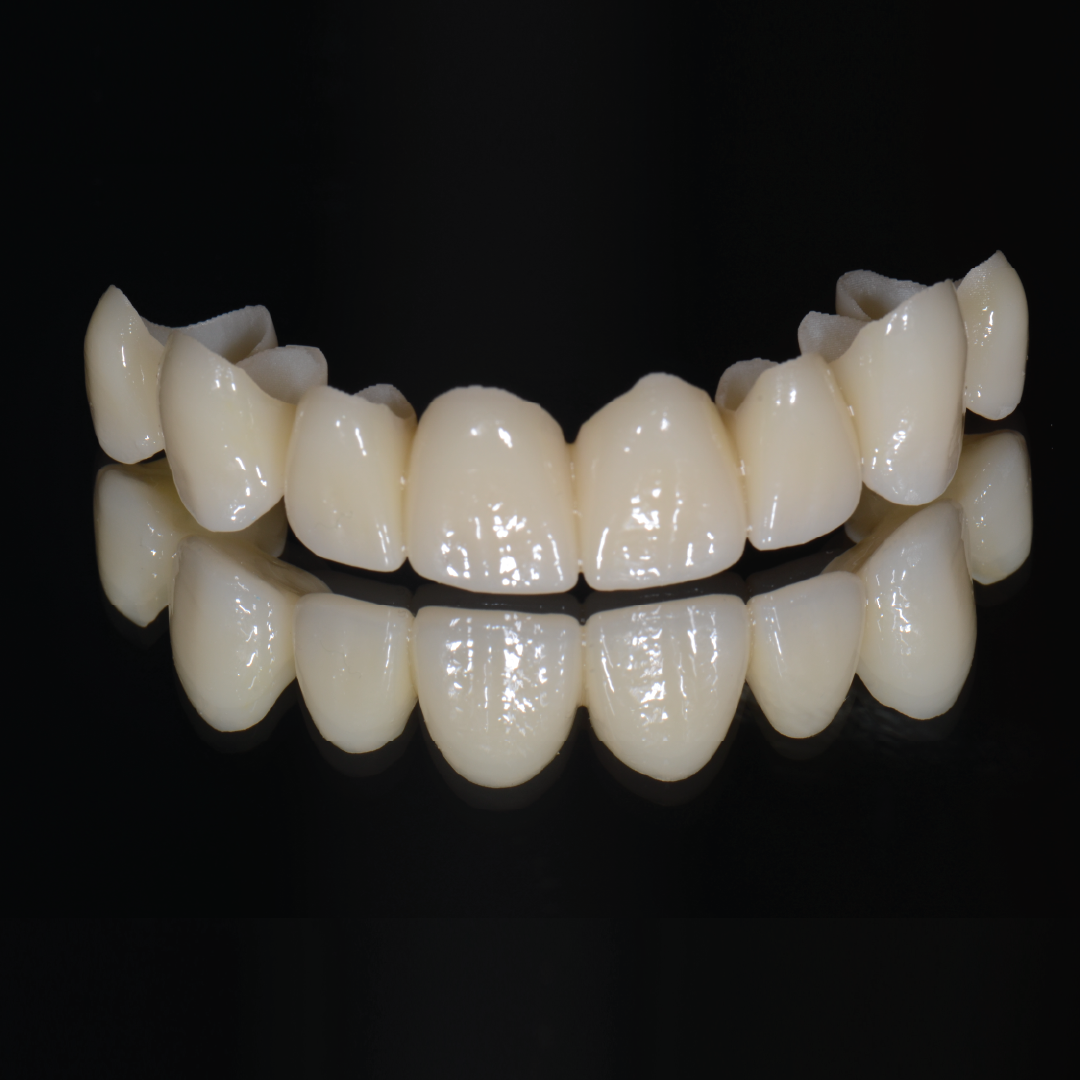
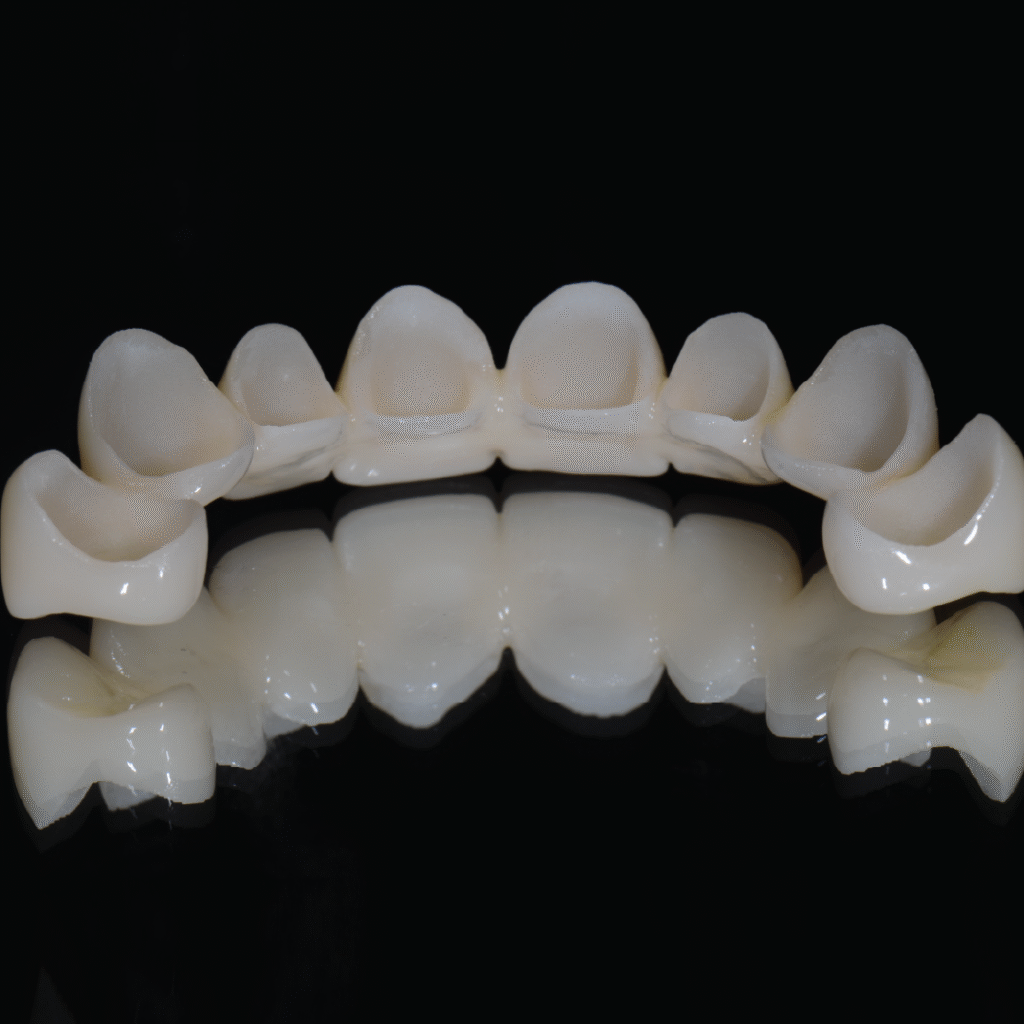
Once the digital design is approved, it’s time to bring it into the physical world. This is where 3D printing, transforms the process. Using the approved digital wax-up, a prototype restoration can be printed directly from the STL design using a biocompatible resin designed for intraoral use. The printed prototype can then be seated chairside at the time of preparation, functioning as both a provisional restoration and a clinical verification tool. This is not your traditional temporary. It is a digitally exact representation of the proposed final restorations—down to margins, occlusal morphology, gingival embrasures, and facial contours.
Asiga’s Crown Kit enhances this stage dramatically by allowing clinicians and labs to print restorations in as little as 10–12 minutes with remarkable precision. The Crown Kit’s specialised build platform minimises resin volume, shortens exposure cycles, and delivers crisp, accurate margins and contacts even in rapid mode. This makes it ideal for same-day prototype fabrication, allowing the clinician to iterate, seat, and refine designs in a single appointment. The result is an accelerated, cost-effective workflow that maintains the exacting accuracy Asiga printers are known for, making it easier than ever to validate fit, contours, aesthetics, phonetics and occlusion before committing to the final ceramic. By placing this 3D printed prototype intra-orally, the dentist and patient can evaluate:
Aesthetics
How does it harmonise with the face, lips, and smile line?
Phonetics
Are speech patterns clear and natural?
Occlusion
How does it feel under functional load and in dynamic movement?
Marginal Fit, Contour and Tissue Response
Is the fit optimal? Is the emergence
profiles and gingival relationships ideal?
These real-world evaluations guide refinements that ensure the final restorations meet the patient’s highest expectations.
The "Test Drive" Concept
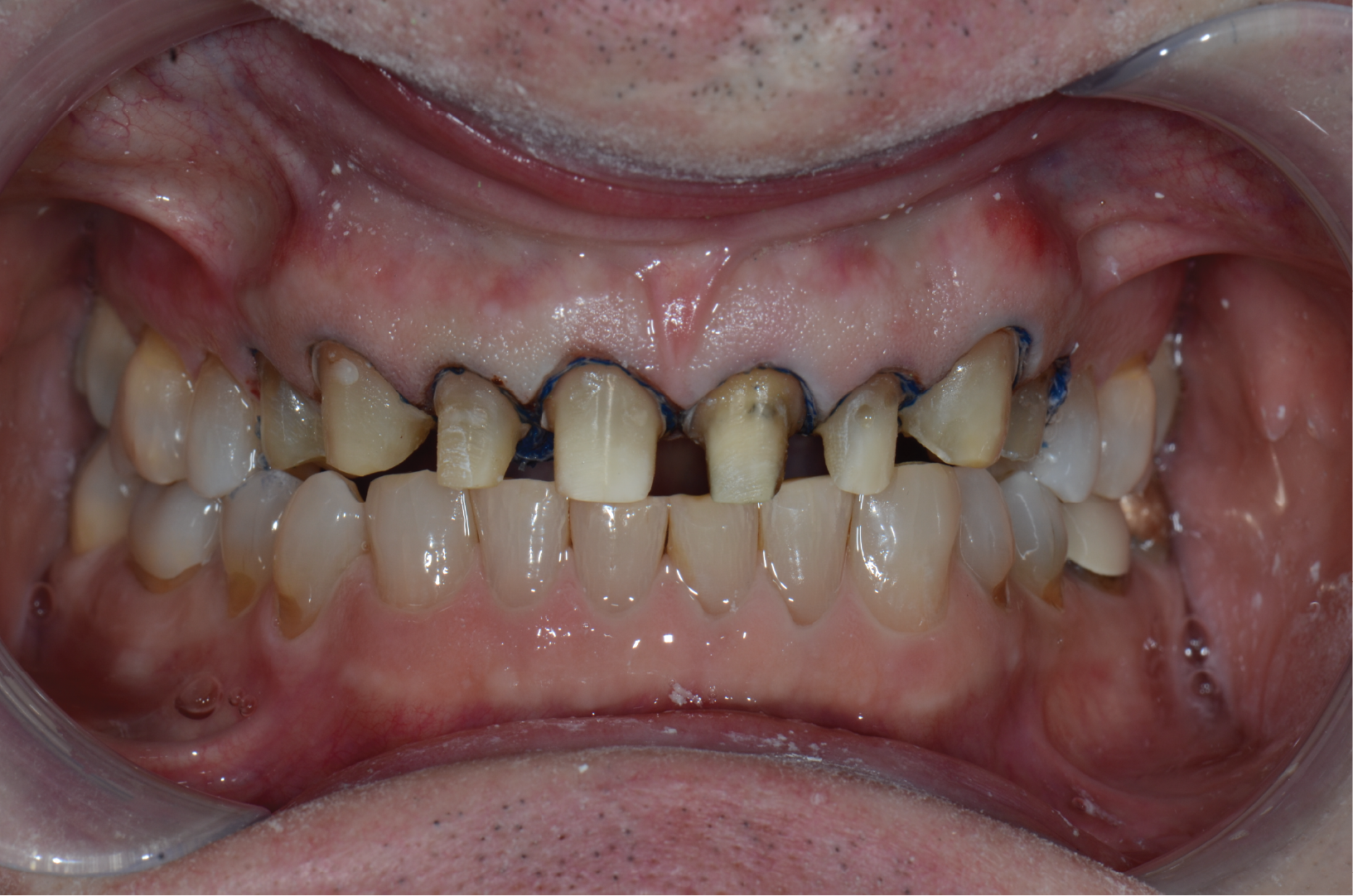
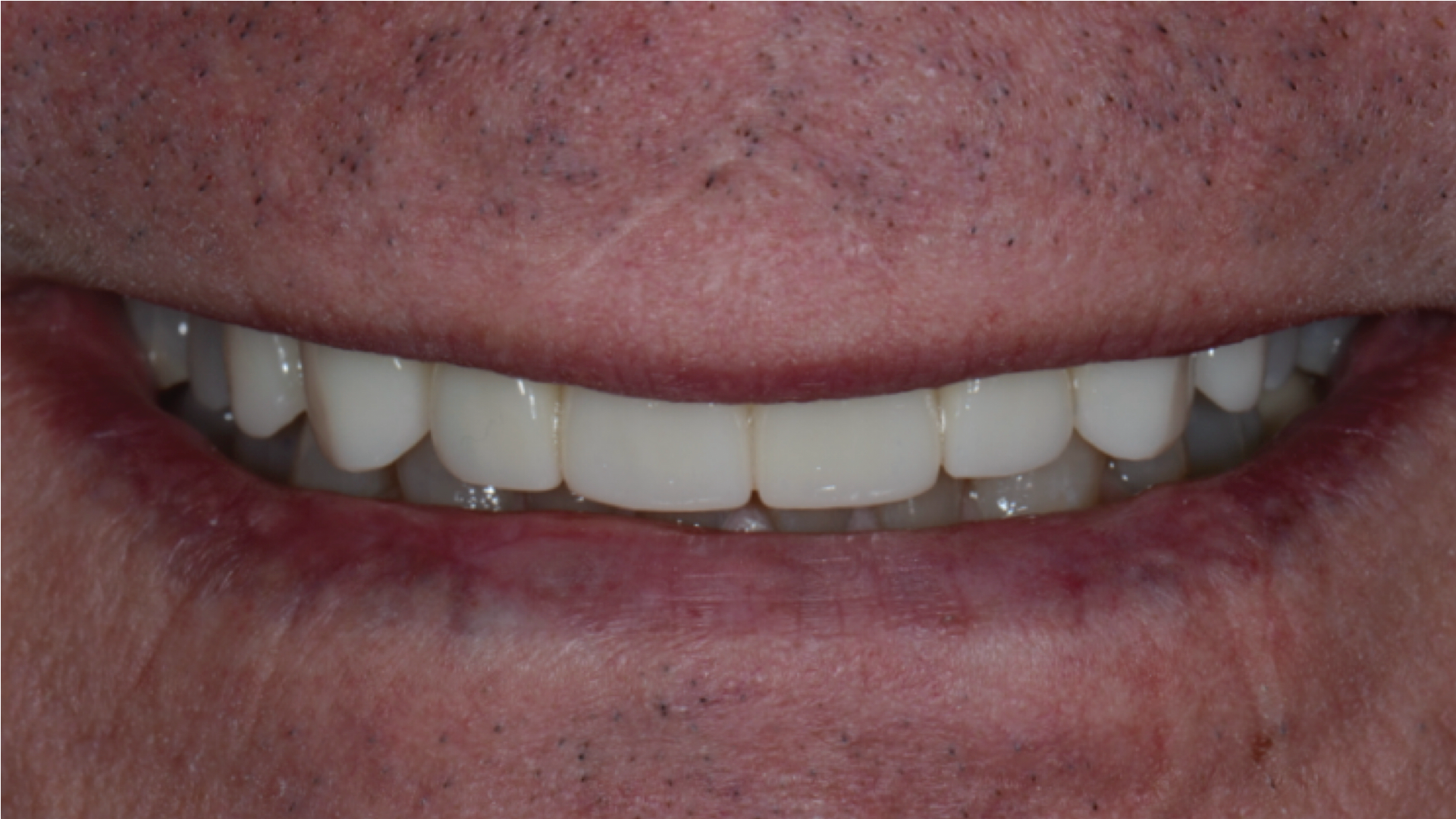
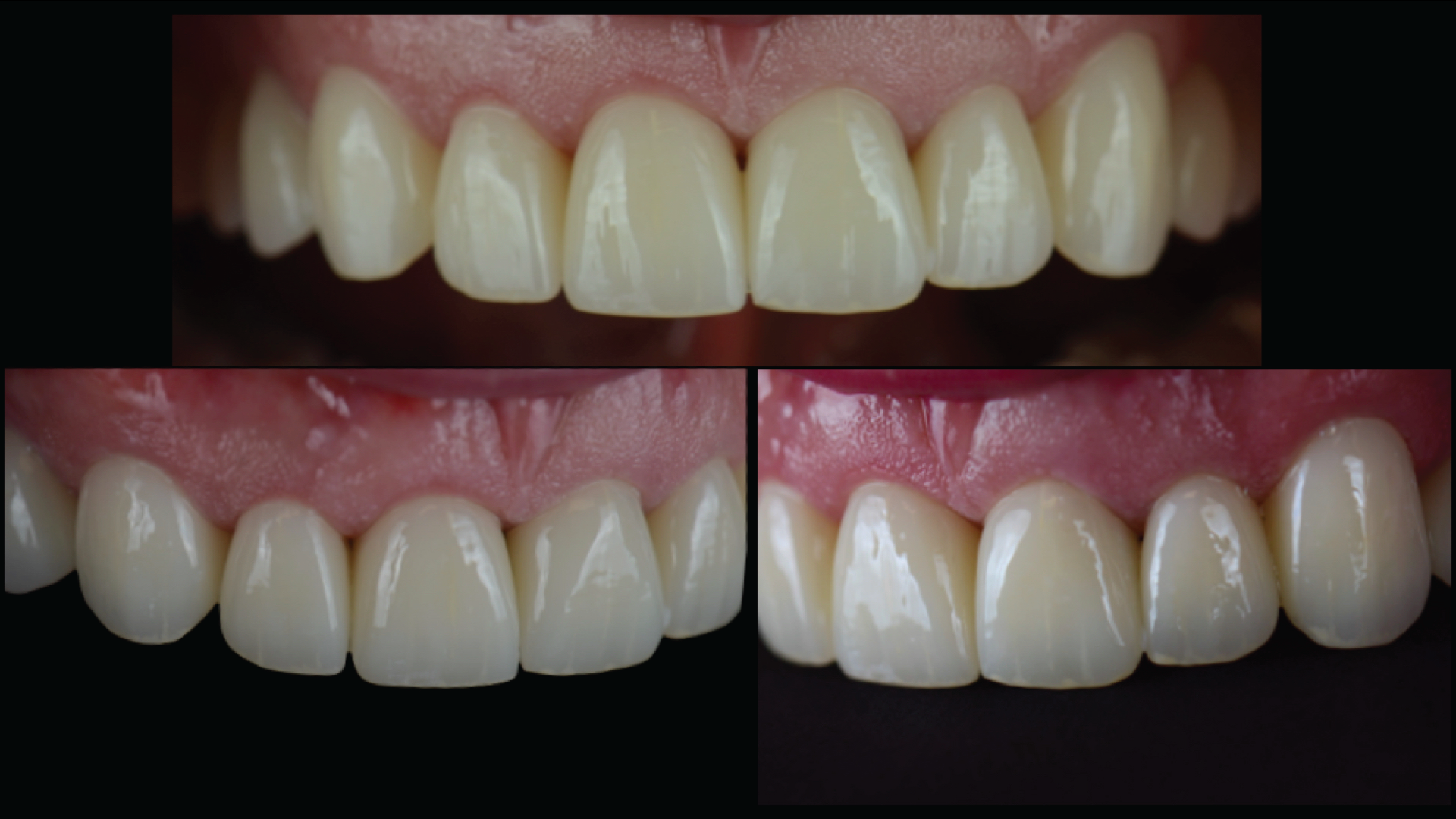
Think of the 3D printed prototype as a restorative test drive. Just as a driver wouldn’t buy a car without feeling how it handles the road, a patient should experience their new smile and occlusion before committing to the final ceramics. During this “test drive” period, typically one to four weeks (depending on the complexity of the case), the patient lives with the restorations, eats, speaks, and smiles as they would naturally. Any needed adjustments to aesthetics or function can be made in this phase. Once both clinician and patient are satisfied, a digital scan of the approved prototypes is captured and sent to the laboratory. This scan can be over-layed on the initial design, and alterations made. This becomes the definitive blueprint for the final zirconia or lithium disilicate restorations. The result is a seamless translation of design intent from virtual planning to clinical delivery without the guesswork or subjective interpretation that often complicates traditional workflows.
A Workflow for the Modern Restorative Practice
A typical 3D Printed Prototype Workflow looks like this:
Data Acquisition
Intraoral scan, CBCT, Photos and/or facial scan.
Virtual Articulation
Align digital models to a physiologic position.
Digital Design
Create the functional and aesthetic design-prior to day of case.
Day Of Prep
After prep scan, align design over preps, and attach margins
3D Print the Prototype
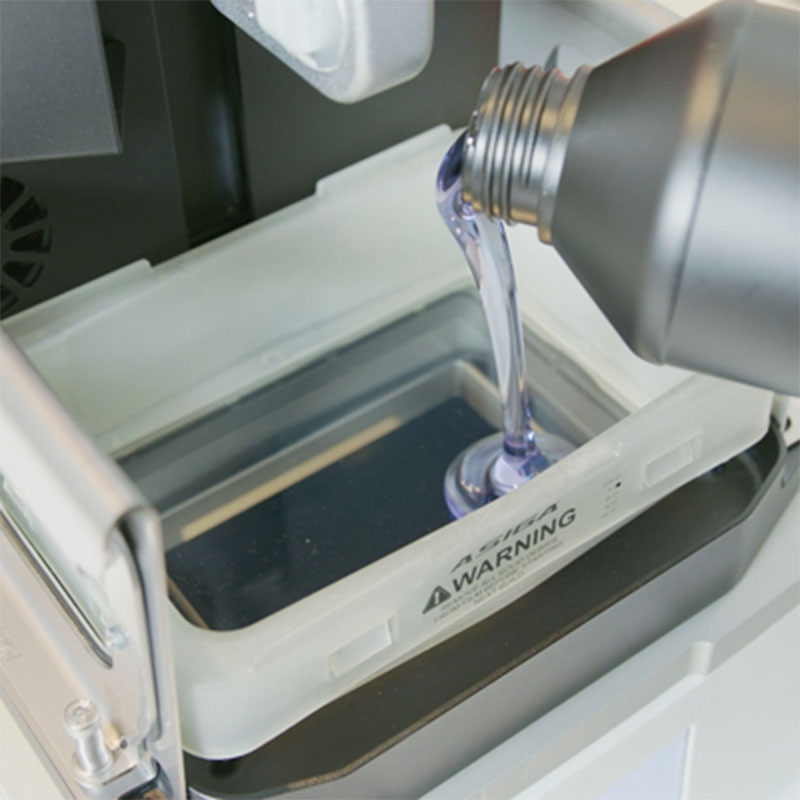
Fabricate the design using an Asiga printer. In this case, the Rodin Sculpture material from Pac Dent was used. (The Crown Kit enables rapid printing for small-unit prototypes.) Print and finish appropriately.
Seat and Evaluate
Try in provisional and verify marginal fit, & adjust occlusion.
Cement prototype
Test aesthetics and occlusion.
Refine and Approve
Make any modifications based on clinical feedback.
Scan the Approved Prototype
Capture the final intraoral scan for lab fabrication.
Final Restoration Fabrication
Laboratory uses the approved STL to mill zirconia or
press ceramics.
Final Delivery
Seat the restorations with minimal adjustment. Predictable and efficient.
A Future of Confidence and Collaboration
The 3D printed prototype bridges the historic gap between vision and reality. For the clinician, it means confidence that what was designed is what will be delivered. For the technician, it means clarity and precision. For the patient, it means trust, trust that their aesthetics and function have been validated before the final investment in ceramics. In this way, 3D printed prototypes represent more than just a technological advancement, they mark a philosophical evolution in dentistry. No longer are we guessing or approximating. We are verifying, validating, and refining. Guided by digital data, driven by human artistry, and supported by the power of additive manufacturing. The future of restorative dentistry isn’t just digital, it’s validated through prototypes that you can see, feel, and live with before committing to the final restoration. That’s why the 3D printed prototype isn’t merely a step in the process.
It’s a restorative game changer.
About the Author
Dr. John Cranham is a husband, father, Dentist, dental educator, and a best-selling author. At his state-of-the-art office, within a general practice setting, he focuses on Cosmetic-Esthetic dentistry, Implant dentistry, Solving TMJ/Facial Pain problems, and solving complex problems. His primary focus is to use his knowledge to create healthy, long-lasting, comfortable, and natural-looking smiles.
He is an honors graduate of Virginia Commonwealth University in 1988. He served the school as a part-time Clinical Instructor from 1991-1998 earning the student-given part-time faculty of the year twice during his stint at the university. Early in his career, he became a dedicated member of The American Academy of Cosmetic Dentistry, The American Dental Association, The American Academy of Fixed Prosthodontics, and the American Equilibration Society.
After 10 years of study, Dr. Cranham began to dedicate time to writing clinical articles and teaching continuing education classes on Cosmetic Dentistry, Implant Dentistry, TMJ and fixing bite problems to practicing dentists.
He has provided numerous Keynote presentations at many of the major dental meetings both domestically and internationally. Today his primary focus is on accelerating the global dental communities’ transition to efficient digital workflows that will lead to better patient outcomes.
Dr. Cranham has published over 30 articles on restorative dentistry and in 2018 released a book The Complete Dentist Manual he co-authored with his mentor, Dr. Pete Dawson. Additionally, he serves as a key opinion leader and on advisory boards with numerous dental companies.
In 2020 he published a book entitled “The Cornell Effect-A Families Journey Toward Happiness, Fulfillment and Peace”. It is an up from the ashes story about his special needs adopted son, who overcame incredible odds and ultimately inspired the entire family to improve. In November of 2021 it climbed to #5 on the Amazon best-seller list. Of all the things he has done, he believes getting this story down on paper has the greatest impact.
Share: