












The end to sticky thermoforming with DentaFORM Beige.

By Matthias Zimmerer
As the dental industry continues to accelerate its shift toward fully digital workflows, the demand for materials that don’t just “work,” but actually solve specific laboratory frustrations, has never been higher. I have spent a significant amount of time evaluating how additive manufacturing can truly serve the clinician and the technician, and I’ve found that the real breakthroughs happen when material science meets practical, real-world usability. For many years, we have settled for conventional dental model resins that, while offering acceptable accuracy and rigidity, consistently fall short when subjected to the rigours of thermoforming. This is exactly why I believe Asiga DentaFORM Beige represents a new benchmark in our field.

The fundamental challenge with standard resins from other manufacturers is that they often lack the specialised chemistry needed for high-heat, high-pressure applications. When we look at typical competitor resins, whether they be from NextDent, KeyModel, or others we frequently encounter a “hidden” workflow tax. These materials often require the manual application of separator sprays or agents to prevent the thermoforming foil from bonding to the 3D printed model. This extra step represents a significant friction point in a busy laboratory, leading to increased labour time and the potential for surface inconsistencies. Furthermore, these traditional resins are prone to surface adhesion issues and can even deform or soften under the high temperatures required for vacuum forming.
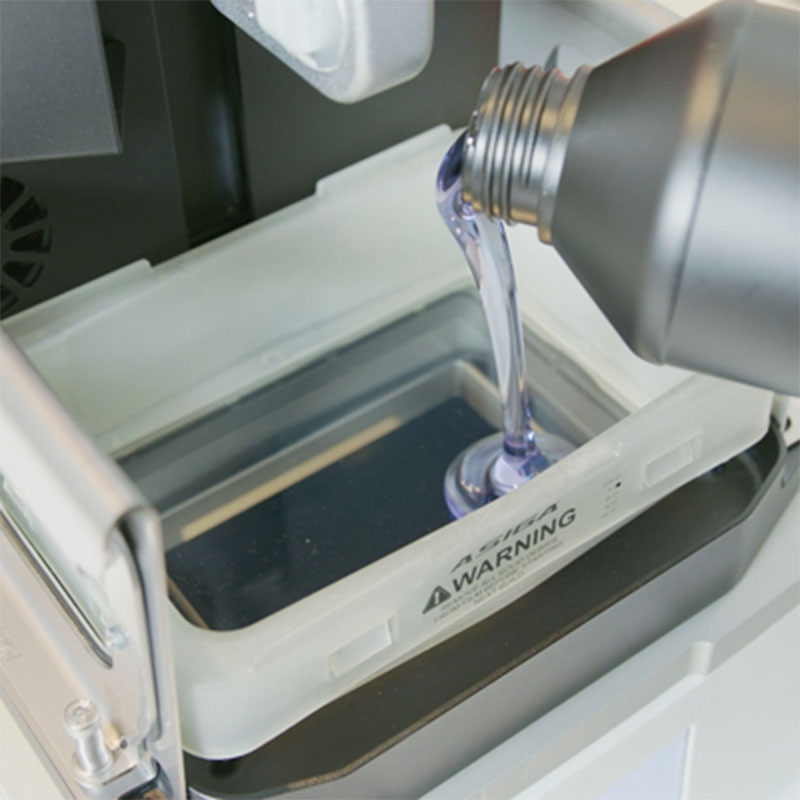
In my experience, the integration of Asiga’s proprietary anti-stick surface release chemistry within DentaFORM Beige is a game-changer. This isn’t just an incremental update; it is a workflow-driven innovation that effectively eliminates the need for any external separating agents. By building this release property directly into the material’s DNA, Asiga has removed a primary cause of model sticking during the vacuum-forming process. When you eliminate that physical bond between the model and the appliance, you aren’t just saving a few seconds of spraying; you are significantly reducing the rate of remakes and the tedious manual intervention often required to “rescue” an appliance from a stuck model.
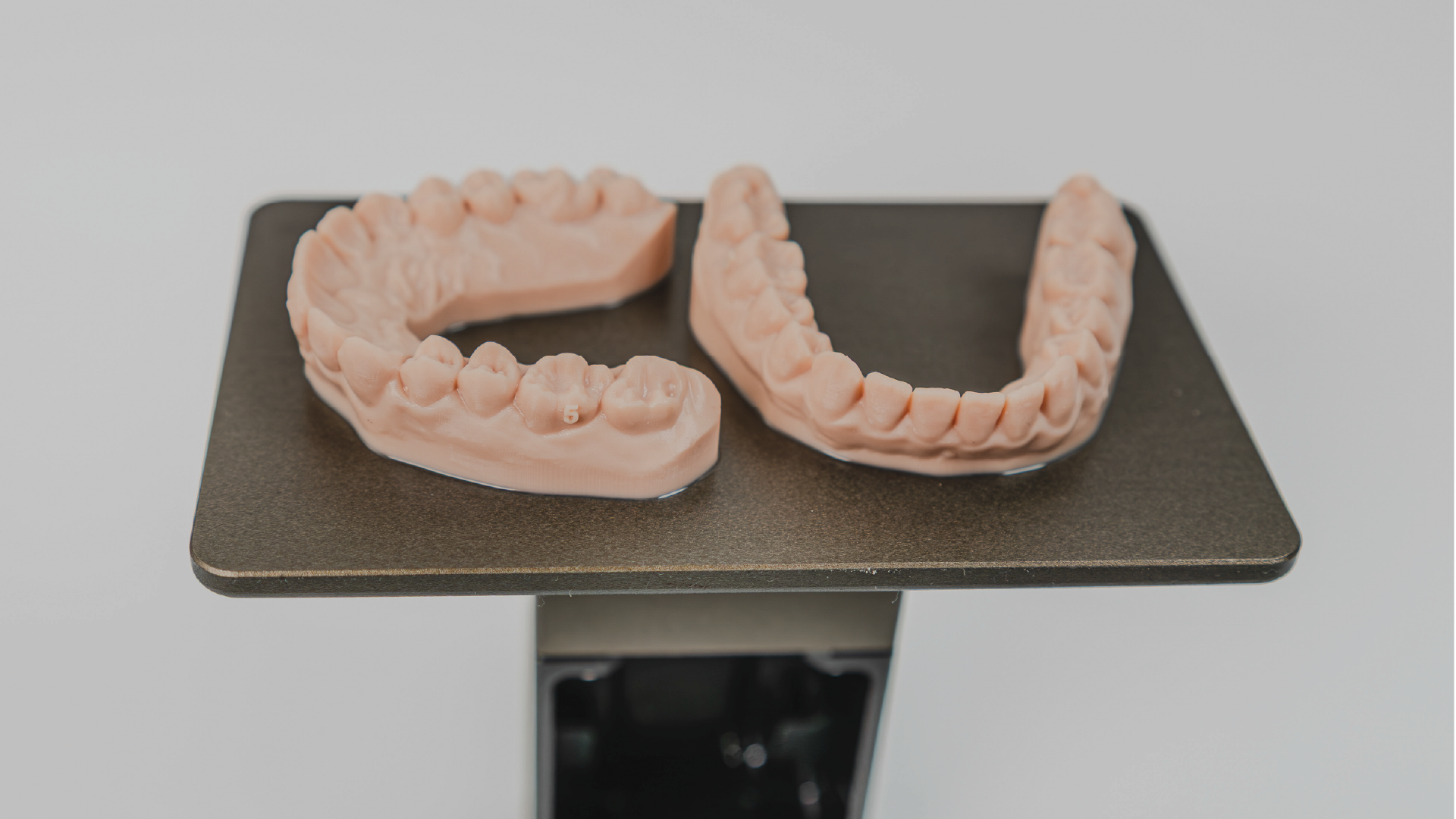
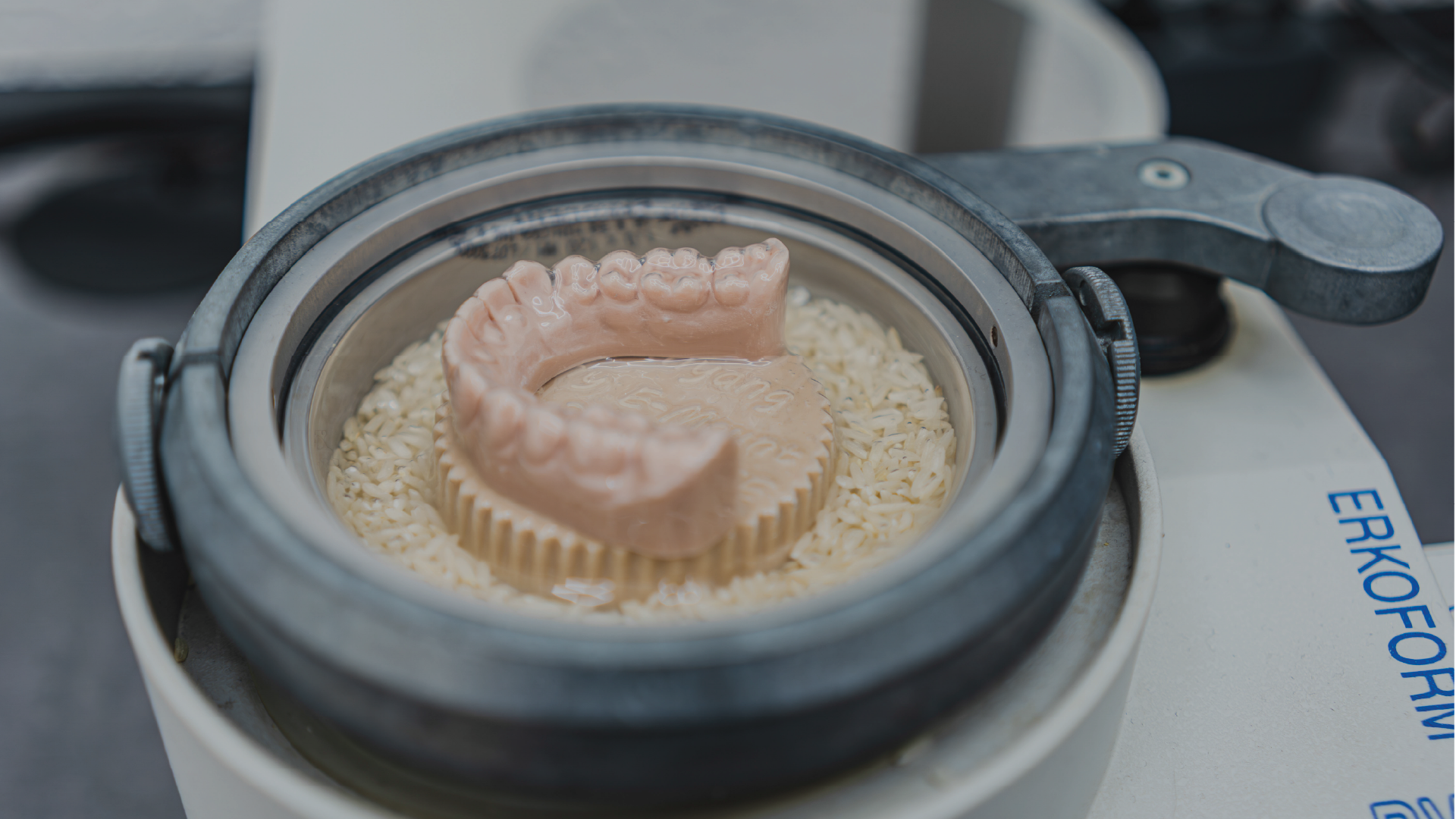
Beyond the surface chemistry, we must discuss structural integrity under heat. Another key differentiator for DentaFORM Beige is its ultra-high temperature resistance. In a typical lab environment, the heat and pressure involved in producing aligners, splints, or night guards can cause lesser resins to lose their dimensional stability. If a model softens or distorts even slightly during the forming process, the final appliance will not fit the patient correctly. DentaFORM Beige maintains its geometry with high rigidity, ensuring that even under demanding conditions, the results remain consistent and predictable. This reliability is particularly valuable for high-precision appliances where a fraction of a millimetre determines clinical success.
From an economic perspective, the value proposition is equally compelling. At approximately $85/kg, DentaFORM Beige positions itself very competitively within the market. While some premium competing resins might match certain mechanical properties, they often do so at a significantly higher price point or without addressing the workflow inefficiencies we face daily. When you factor in the reduced failure rates and the faster processing times achieved by skipping extra steps like spraying and cleaning up residue, the overall value of this material far exceeds its initial cost. It represents a rare instance where a more advanced material actually leads to a lower total cost of production.
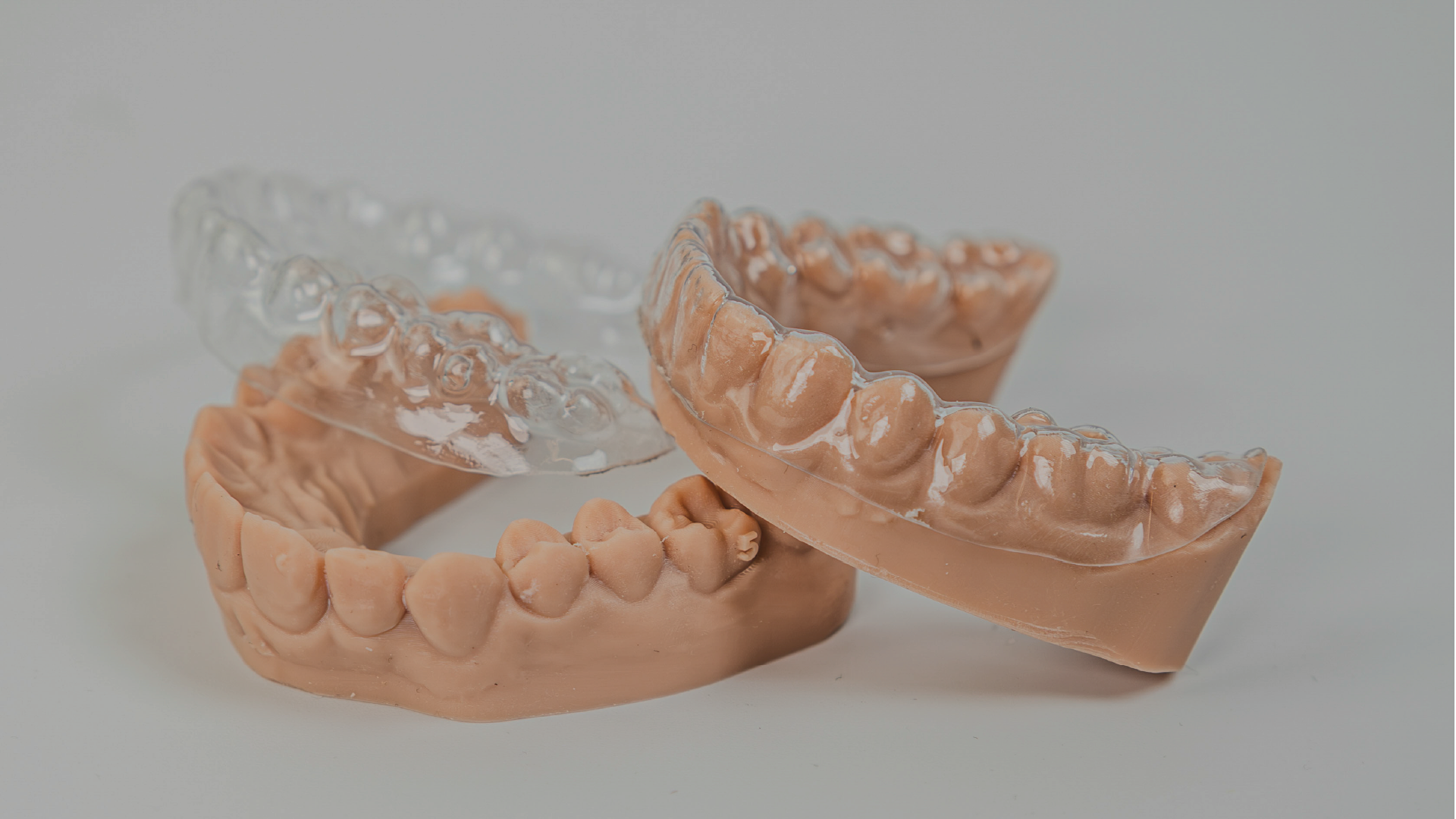
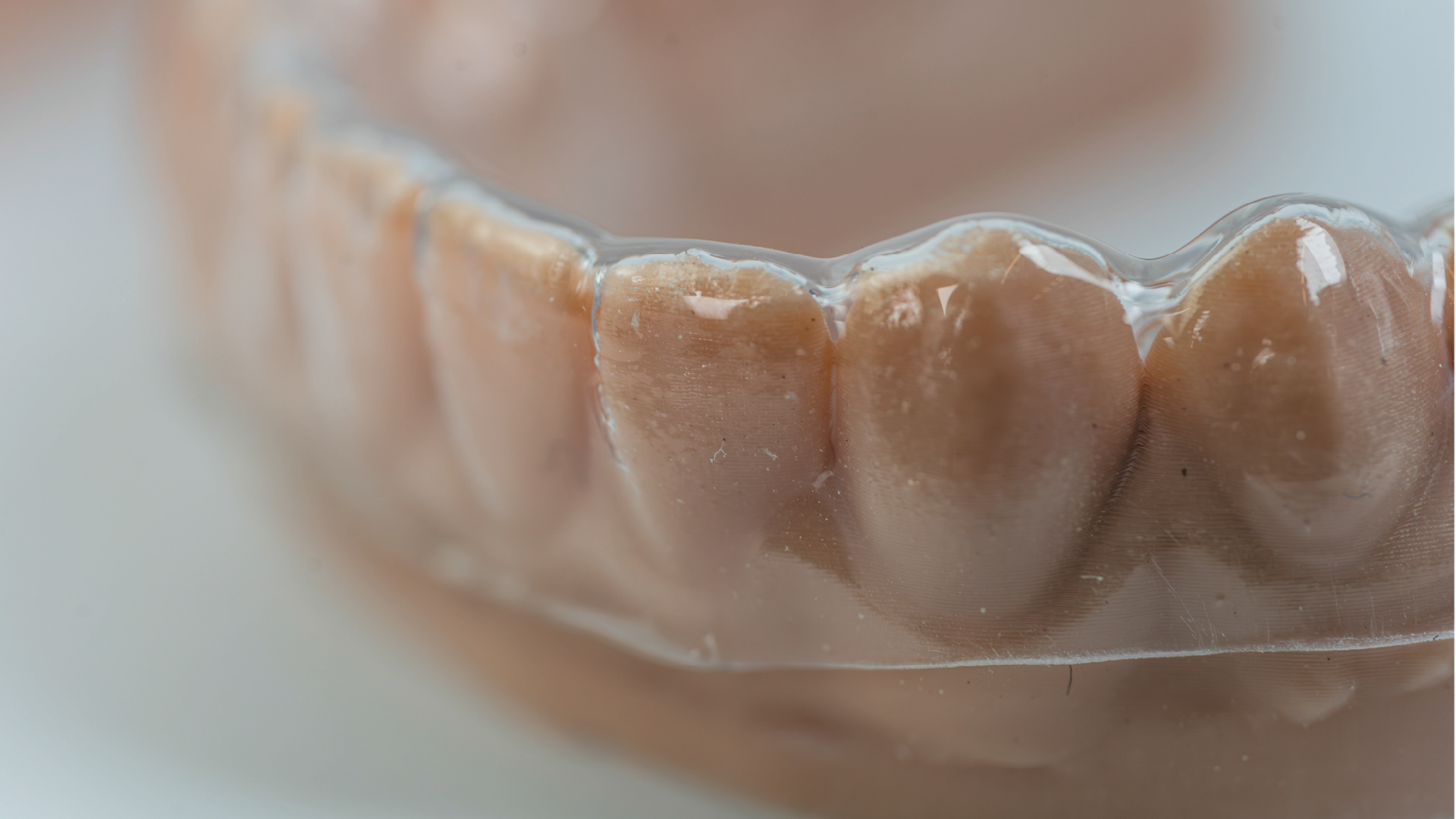
I would also be remiss if I didn’t mention the practical benefits of the new beige shade. While earlier grey variants were functional, the introduction of the beige colour provides a subtle yet meaningful improvement in visual contrast and readability. For a technician, this enhancement is immediately beneficial in daily practice, as it makes margin line detection and overall model assessment much easier and less straining on the eyes. It brings a “stone-like” familiarity to the digital model that improves our ability to perform quality control at a glance.
Ultimately, my assessment is that Asiga DentaFORM Beige aligns high-end material performance with the real-world demands of a high-production dental laboratory. It eliminates the “sticking aligner” problem that has plagued 3D printed thermoforming models for years. For any dental professional seeking to optimise their productivity without compromising on the clinical quality of their output, this material represents a forward-thinking and reliable choice. It sets a new standard for what we should expect from our thermoforming resins, allowing us to deliver better results for our patients with far less frustration in the lab.
About the Author

Growing up in his parents’ dental laboratory, the path to dental technology was very obvious for Matthias Zimmerer. The apprenticeship was followed by the successful completion of parts II-IV of the master craftsman’s diploma in the dental technician trade. Afterwards he worked in various jobs in commercial and practice laboratories.
Since 2013 he has been laboratory manager in the practice laboratory of dentist Dr. Heidi Edl in Erbendorf, whose focus is on digital dentistry. Both the integration of the digital workflow to the maximum extent and the further development of the digital production possibilities are part of his everyday life there, in order to optimally tailor aesthetic dentures to the needs of the patients.
He takes great pleasure in integrating new technologies into existing, well-established processes and in constantly optimising them. He sees many possibilities for change and further development in digital dental technology, which he puts to the test every day.
Matthias also had the ingenious idea of starting the Asiga Dental Experts page on Facebook!!
Share: